



Three Cs, Key Credit Determinants and Urban Legends


Three Cs, Key Credit Determinants and Urban Legends
Quickly advancing in the risk rearview mirror for a dealer is the risk of an investigation for bank fraud.
As the trusted advisor to your dealer, identity theft and the risk it presents to dealers remains a very real and present danger. The threat is usually an external one. Sure, there are instances of inside identity theft jobs in the industry. But most of the time, the agent and their dealers are in a defensive position, fighting off potential identity thieves.
Quickly advancing in the risk rearview mirror for a dealer is the risk of an investigation for bank fraud perpetrated by that inside ring of employees in a dealership. I have worked in litigation support for a dealer accused of bank fraud where we were able to show that the consumer was the one who provided the bogus documentation. And there are fake paystub and fake stips websites that consumers can access to provide fake stips and POI. Again, the agent’s dealer and its employees are in a potential defensive position to ensure the documentation provided is accurate and correct.
The risk that dealers should fear is that the managers of their sales and F&I processes are the ones manipulating the credit application information being provided to the finance sources — under the dealer’s logo.
Three Cs of Credit
Other industries have a cherished “three ‘C’s,” such as the diamond industry (clarity, cut and carat). In the credit industry, the three Cs are character, capacity and collateral. The 3Cs are the three legs of the stool that every finance source leverages to develop its underwriting guidelines.
“Character” refers to stability and measures the intent to repay the debt. It is measured by time on the job, time at the address, occupation and credit history. “Capacity” is the ability to repay the debt. It is measured by payment to income ratio, total debt to income ratio, and disposable income. “Collateral” looks at the potential loss position if the consumer defaults on the debt and the finance source has to liquidate. Loan to value is the common measurement.
Finance sources take different approaches to developing underwriting guidelines. Superprime finance sources tend to focus on character more than the other two. Subprime finance sources usually require a stronger capacity or collateral position to overcome the character shortcoming.
Five Key Credit Determinants
Finance sources are focused on five key credit determinants on the credit application: income, housing expense, time on the job, time at the residence, and what the customer does for a living.
From a three Cs perspective, these five key credit determinants help the finance source to measure character and capacity. Any enhancements or improvements to one or all of these five determinants could be considered credit application fraud.
Urban Legends
Through discussions with many finance sources and some of my consulting competitors, I’ve developed a list of common urban legends that the finance sources consider to be credit application fraud:
Urban legend: “It is acceptable to split the rent or housing expense.”
Finance source rebuttal: “It is not acceptable. We want, and expect the dealer to provide, the amount the consumer is obligated to pay through an agreement, whether a rental agreement or mortgage. The dealer employee can put a note on the credit application that states the consumer has a roommate and only pays half of the rent. It is then on the finance source to make the adjustment. We are required to file a suspicious activity report if we suspect credit application fraud.”
Urban legend: “Everyone manages some part of their job, so we make everyone a manager. For example, a Walmart greeter is really a ‘customer relations manager.’”
Finance source rebuttal: “Nice try, Mr. Wordsmith. Elevating a consumer’s perceived job status by making her or him a manager is credit application fraud.”
Urban legend: “Self-employed people have a trade or manage their business. It is OK to show them as a mechanic or a manager.”
Finance source rebuttal: “The majority of small businesses fail within five years. We want to know if someone is self-employed and will sometimes stip the approval for three months’ bank statements or tax returns. Trying to circumvent that stipulation is credit application fraud.”
If you provide credit application training for your dealers, make sure to clear up these urban legends. Good luck and good selling!
More F&I
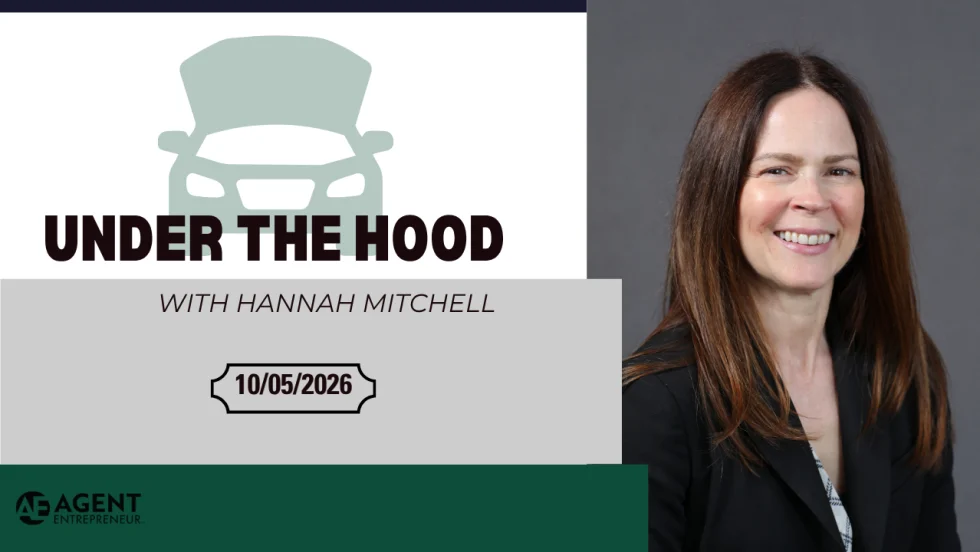
To Include Products in the First Pencil or Not
In this month's Under the Hood, Editor Hannah Mitchell examines a question many auto dealers have been asking since Federal Trade Commission enforcement intensified this year.
Read More →
Get Ahead of the Change
A strong culture, among other things, will be a key differentiator for auto dealerships as the market speeds ahead to new heights, says industry veteran Joel Kansanback.
Read More →
F&I Without the Handoff
Get more familiar with what your dealer clients are really buying when they entrust you with finance-and-insurance.
Read More →
Affordability Shapes Auto Demand
Auto originations increased 1% in the first quarter, and electric vehicles are rebounding, according to TransUnion's latest credit report.
Read More →
The Evolution of Agency Development in Modern F&I
General agents have a different roadmap for success than their predecessors. It will pay for them to follow it in order to be true dealer partners.
Read More →
Four-Figure Loan Payments on the Rise
A LendingTree analysis found that location, age and credit score play a role in the rising amount of auto loan borrowers who make monthly payments of $1,000 or more.
Read More →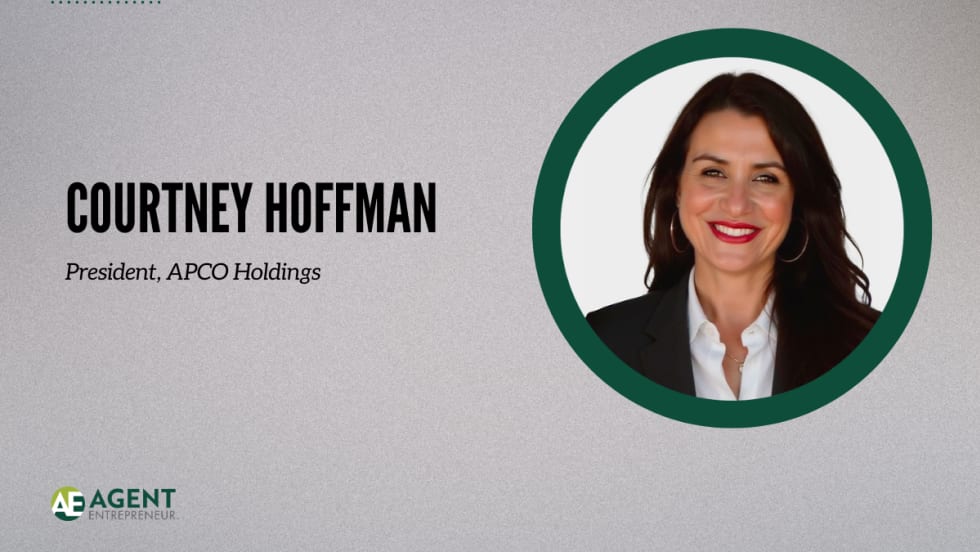
APCO Holdings Acquires Fidelity Dealer Services
The finance-and-insurance product provider says the addition strengthens EasyCare’s reach across key markets.
Read More →
Tariffs Could Raise Insurance Premiums
As U.S. import tariffs affect repair costs, consumers might find it more affordable to replace a damaged vehicle, according to recent Insurify tariff analysis.
Read More →
Smaller Loans, Longer Terms
The youngest generation of car buyers is more likely to finance less expensive vehicles, more than half of generation Z consumers borrowing less than $25,000.
Read More →
Ensure Your Clients Are Sure About Reinsurance
Industry experts recently broke down the complicated profit center at Agent Summit. Learn what’s relevant and what’s new to share with your dealers.
Read More →