



Tariffs Could Raise Insurance Premiums
As U.S. import tariffs affect repair costs, consumers might find it more affordable to replace a damaged vehicle, according to recent Insurify tariff analysis.

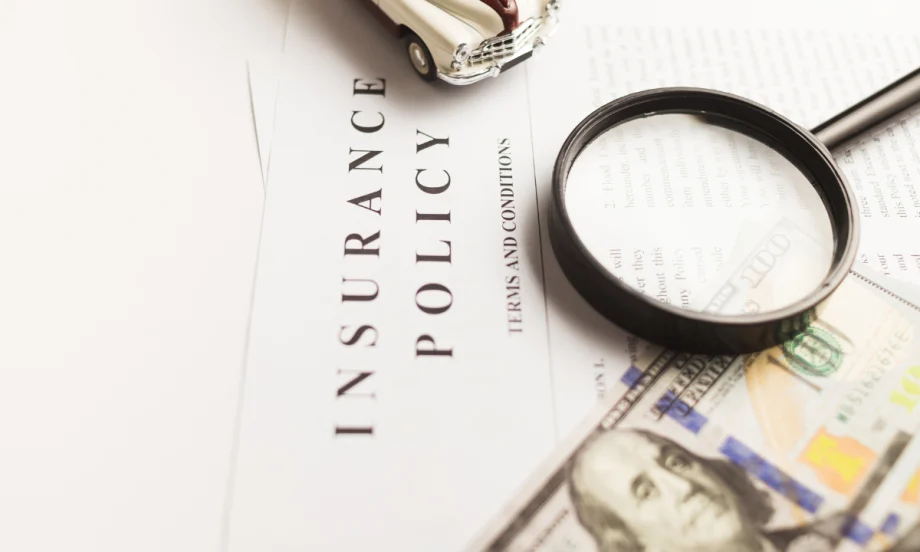
Certain brands, like Buick, Hyundai, Kia, BMW and Mazda, could face higher insurance premiums due to their reliance on imported vehicles and components.
Pexels/Vlad Deep
It’s no secret that rising import tariffs have affected the U.S. automotive industry, but one area that hasn’t seen much impact from it is auto insurance premiums. According to Insurify, that could change this year.
The insurance shopping website initially projected a 1% increase in the annual cost of full-coverage car insurance this year, but it said that number could rise to 4% if tariffs continue to bump up vehicle repair and replacement costs.
Insurance pricing often lags broader economic changes due to the time needed to “collect claims data, evaluate cost trends and obtain regulatory approval for rate changes,” Insurify explained.
But the more expensive a vehicle is to repair or replace, the more insurers pay to settle those claims, and those higher costs eventually trickle down to policyholders in the form of higher premiums.
Insurify’s tariff analysis also showed that certain brands could face higher premium increases than others due to their reliance on imported vehicles and components. It listed Buick, Hyundai, Kia, BMW and Mazda, though it said vehicle owners shouldn’t expect immediate cost increases.
Another trend is also developing. according to Insurify, as repair costs exceed the cost of replacing a vehicle in many cases. It said a record 23% of auto insurance claims now result in total losses. The trend has grown in recent years due to increasingly expensive “electronics, cameras, radar sensors and advanced driver-assistance systems.”
For now, insurance premiums remain stable, but it’s a trend to watch since it might drive consumers to pursue more American-made vehicles.
Originally posted on F&I and Showroom
More F&I

Get Ahead of the Change
A strong culture, among other things, will be a key differentiator for auto dealerships as the market speeds ahead to new heights, says industry veteran Joel Kansanback.
Read More →
F&I Without the Handoff
Get more familiar with what your dealer clients are really buying when they entrust you with finance-and-insurance.
Read More →
Affordability Shapes Auto Demand
Auto originations increased 1% in the first quarter, and electric vehicles are rebounding, according to TransUnion's latest credit report.
Read More →
The Evolution of Agency Development in Modern F&I
General agents have a different roadmap for success than their predecessors. It will pay for them to follow it in order to be true dealer partners.
Read More →
Four-Figure Loan Payments on the Rise
A LendingTree analysis found that location, age and credit score play a role in the rising amount of auto loan borrowers who make monthly payments of $1,000 or more.
Read More →
APCO Holdings Acquires Fidelity Dealer Services
The finance-and-insurance product provider says the addition strengthens EasyCare’s reach across key markets.
Read More →
Smaller Loans, Longer Terms
The youngest generation of car buyers is more likely to finance less expensive vehicles, more than half of generation Z consumers borrowing less than $25,000.
Read More →
Ensure Your Clients Are Sure About Reinsurance
Industry experts recently broke down the complicated profit center at Agent Summit. Learn what’s relevant and what’s new to share with your dealers.
Read More →
Car Loans More Plentiful
May access opens up, as risk segments figured largely in the increased availability, Cox Automotive reported.
Read More →
First-Quarter Sees Long Auto Loan Growth
Experian data show more consumers are tapping the method, along with refinancings, to afford buying. Meanwhile, subprime borrowers are getting more access.
Read More →