



Ensure Your Clients Are Sure About Reinsurance
Industry experts recently broke down the complicated profit center at Agent Summit. Learn what’s relevant and what’s new to share with your dealers.

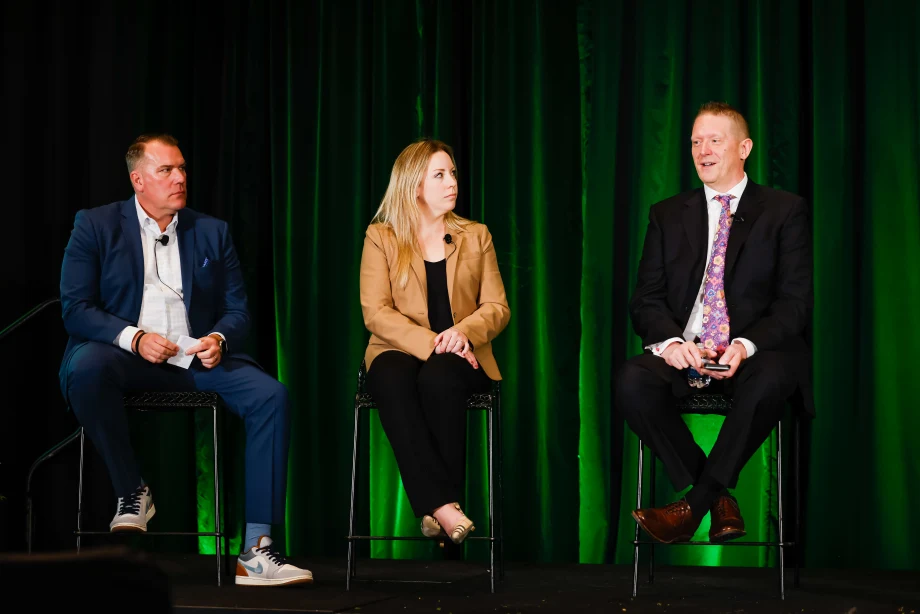
Agent Summit 'Today's Reinsurance Climate' panelists John Lutman of RoadVantage, Edvie Castro of DOWC and Tim Blochowiak of Protective Asset Protection
Bobit Business Media
Reinsurance, though a strong profit stream for automotive dealers, is also a complex subject that can be challenging to understand. Bobit Business Media’s Dealer Group asked segment experts to deconstruct key aspects of reinsurance in the auto retail sector today.
Below is practical context shared by Tim Blochowiak, vice president of sales for Protective Asset Protection, and Edvie Castro, general counsel and chief operations officer of DOWC:
Q: How is the unprecedented inflation affecting claims costs?
Blochowiak: During the pandemic, many consumers experienced lower household spending as travel, dining and entertainment options were significantly limited. At the same time, substantial stimulus funds were injected into the economy, which—combined with constrained global supply chains—created outsized demand and ultimately led to inflation exceeding 30% nationally.
In the short term, this environment drove a “golden age” of automotive retail, with record vehicle sales, strong front-end profits, and historically high [finance-and-insurance] attachment rates. However, as those market dynamics normalized, the downstream impact became clear. Parts and labor costs escalated to unprecedented levels, and as a result, claims severity has increased by roughly 80% since 2020, materially impacting administrators and reinsurance partners alike.
Q: What are some best practices to control claims costs?
Blochowiak: Controlling claims costs requires a collaborative approach between administrators and dealers, with clear accountability on both sides.
From the administrator’s perspective, we owe our partners an efficient, disciplined operation, leveraging AI-driven tools to streamline claims handling, deploying advanced fraud detection capabilities, and working closely with dealers on parts sourcing strategies and customer retention by encouraging repairs back at the selling store.
Dealers also have meaningful levers they can pull, including managing labor rates and parts markups. We’ve seen examples where dealers made thoughtful adjustments, such as limiting service writer incentives tied to VSC claims while maintaining retail labor rates and parts pricing, which helped moderate claim behavior without compromising service quality.
Ultimately, educating key dealership stakeholders on the value of participation programs is critical, aligning all parties around the goal of cost control while preserving a positive customer experience.
Q: Which metrics are administrators monitoring as a result of inflation, such as near-term loss ratios versus inception-to-date?
Blochowiak: In this inflationary environment, administrators are closely tracking several key metrics to manage risk and ensure long-term program stability.
The automotive repair Consumer Price Index, along with the potential impact of global tariffs, is monitored carefully to model future reserve requirements. Selling dealer repair return rates remain a critical indicator, as higher dealer retention can materially influence both cost control and customer satisfaction.
We are also evaluating parts sourcing decisions, balancing short-term savings against the long-term benefits and durability associated with OEM parts. Most notably, near-term loss ratios have become more influential than inception-to-date performance, as recent claims experience provides a more accurate view of current inflation-driven cost pressures and helps inform proactive pricing and underwriting decisions.
Q: How does the prominence of agent-owned reinsurance companies impact program design and oversight, and what additional support is needed to manage higher loss ratios, dealer communications, and flexible participation structures within an agent's book of business?
Castro: As agent-owned reinsurance companies continue to grow, one of the first considerations becomes determining whether the current participation structure remains the most effective long-term solution.
Larger agencies with expanding books of business may eventually encounter capacity limitations or participation thresholds that require evaluating alternative structures. This is where experienced actuarial, underwriting, and program-management support becomes critical.
The increasing complexity of agent-owned reinsurance programs requires more than standard reporting. Agents need access to detailed dashboards, actuarial analysis, and product-level performance data that provide visibility into loss ratio trends across individual dealers, products and programs.
When a specific product begins experiencing elevated claims activity, agents need the ability to identify the issue quickly, understand the underlying drivers, and make informed decisions before performance impacts the broader portfolio.
Equally important is providing the transparency and expertise necessary to support dealer communication and buy-in. Participating dealers often have different objectives and expectations than nonparticipating dealers, making it essential to clearly communicate program value, claims performance, pricing considerations, and long-term profitability opportunities.
Success depends on delivering quality products backed by strong claims management, operational support, and consistent communication that helps dealers understand how program performance impacts their business.
Ultimately, the role of the administrator and agent partner is to provide the tools, transparency and expertise necessary to support a diverse dealer portfolio. Through actuarial guidance, performance reporting, claims oversight, and flexible participation structures, agents are better positioned to manage growth, maintain profitability, and deliver long-term value to their dealer partners.
Q: What are some best practices, considerations and options for supporting dealers whose growth has necessitated utilizing an 831(a) entity, and how should ownership of prior or current entities that have made the 831(b) election be addressed?
Castro: As dealership groups continue to grow through acquisition, consolidation and organic expansion, many eventually reach a point where their existing 831(b) structure may no longer be the optimal solution. At that stage, the conversation becomes much broader than simply comparing an 831(a) election versus an 831(b) election.
It becomes a strategic review of the dealer's overall corporate structure, ownership alignment and long-term financial objectives.
One of the most important considerations is conducting a thorough control group and ownership review. In today's environment of dealership consolidation and multirooftop acquisitions, ownership structures can become increasingly complex.
Dealers should work closely with their legal, tax, accounting and reinsurance advisers to evaluate how existing entities interact with newly acquired businesses and determine where a reinsurance entity best fits within the organization's overall structure.
For dealers with current or prior entities that have made the 831(b) election, there may be opportunities to reassess ownership arrangements and organizational structure to maximize efficiency as the business grows. This includes evaluating how existing entities are positioned within the dealer group, considering the impact of net operating losses where applicable, and ensuring income is managed appropriately as businesses approach or exceed applicable participation thresholds.
Growth also creates opportunities for broader strategic planning. Many dealers find that transitioning to an 831(a) structure is part of a larger conversation involving wealth preservation, succession planning, estate planning, and long-term business continuity.
The reinsurance company often becomes an important component of the dealer's overall financial strategy, making it essential to evaluate not only today's needs but also future ownership transitions and generational planning objectives.
The most successful transitions occur when dealers take a proactive approach. By reviewing ownership structures, evaluating control group considerations, and aligning reinsurance strategies with broader business and estate planning goals, dealers can position themselves to continue growing while preserving the long-term benefits their reinsurance program was designed to create.
LEARN MORE: Maximizing Profitability Through Strategic Reinsurance
More F&I
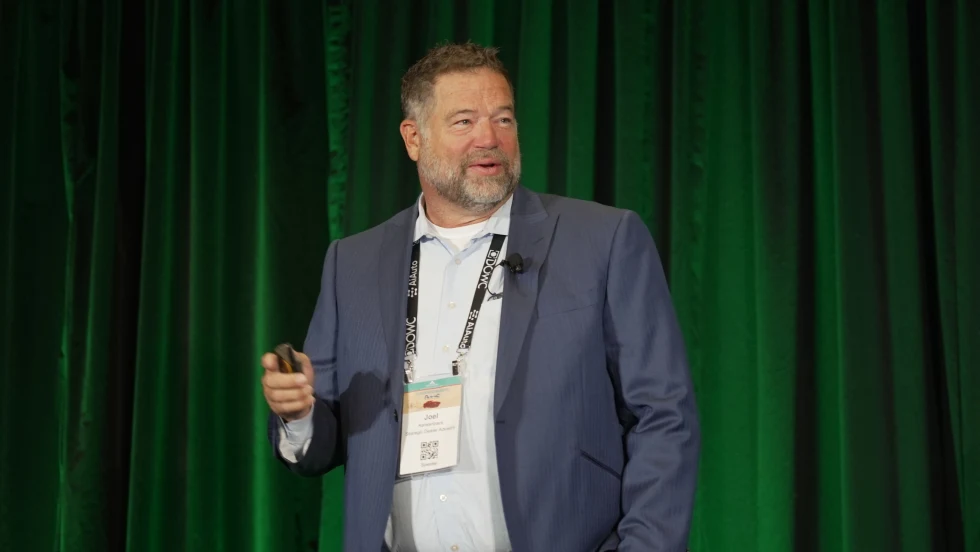
Get Ahead of the Change
A strong culture, among other things, will be a key differentiator for auto dealerships as the market speeds ahead to new heights, says industry veteran Joel Kansanback.
Read More →
F&I Without the Handoff
Get more familiar with what your dealer clients are really buying when they entrust you with finance-and-insurance.
Read More →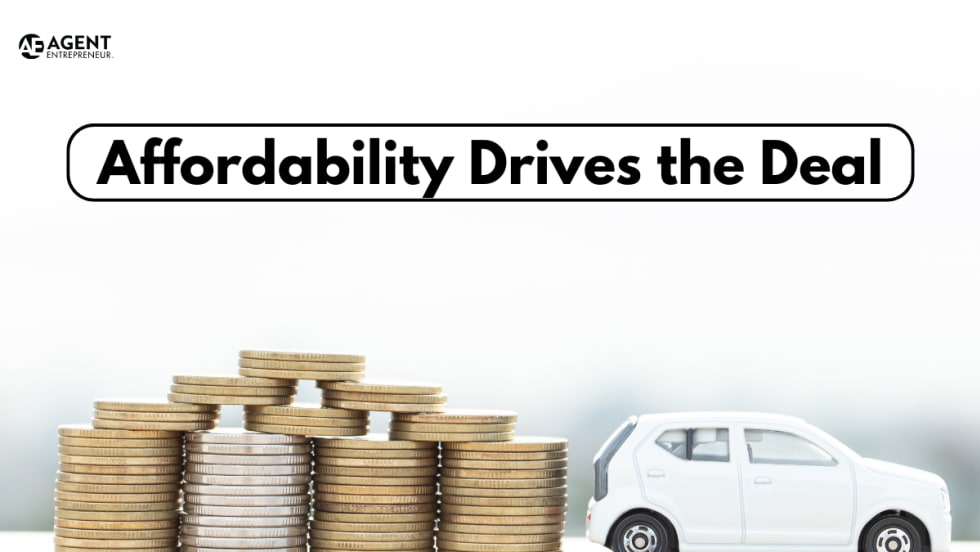
Affordability Shapes Auto Demand
Auto originations increased 1% in the first quarter, and electric vehicles are rebounding, according to TransUnion's latest credit report.
Read More →
The Evolution of Agency Development in Modern F&I
General agents have a different roadmap for success than their predecessors. It will pay for them to follow it in order to be true dealer partners.
Read More →
Four-Figure Loan Payments on the Rise
A LendingTree analysis found that location, age and credit score play a role in the rising amount of auto loan borrowers who make monthly payments of $1,000 or more.
Read More →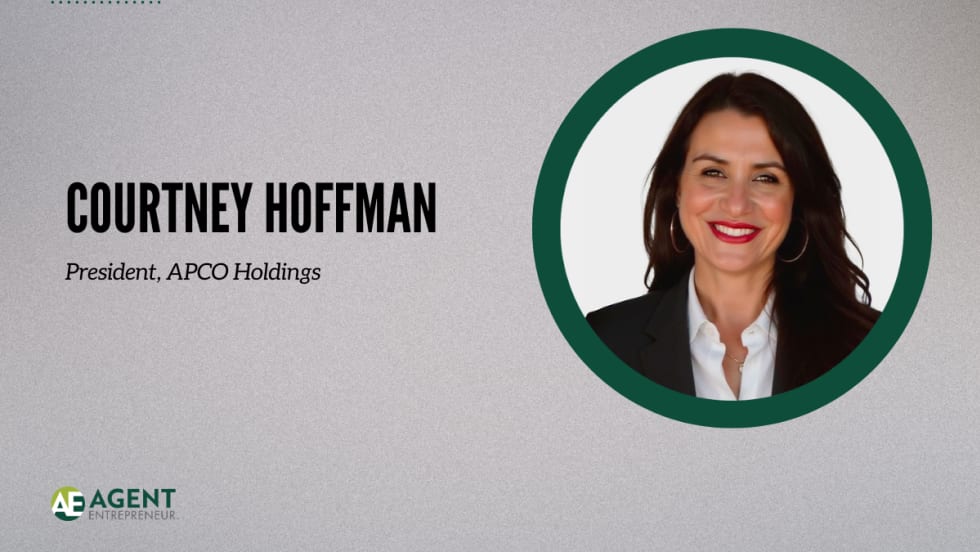
APCO Holdings Acquires Fidelity Dealer Services
The finance-and-insurance product provider says the addition strengthens EasyCare’s reach across key markets.
Read More →
Tariffs Could Raise Insurance Premiums
As U.S. import tariffs affect repair costs, consumers might find it more affordable to replace a damaged vehicle, according to recent Insurify tariff analysis.
Read More →
Smaller Loans, Longer Terms
The youngest generation of car buyers is more likely to finance less expensive vehicles, more than half of generation Z consumers borrowing less than $25,000.
Read More →
Car Loans More Plentiful
May access opens up, as risk segments figured largely in the increased availability, Cox Automotive reported.
Read More →
First-Quarter Sees Long Auto Loan Growth
Experian data show more consumers are tapping the method, along with refinancings, to afford buying. Meanwhile, subprime borrowers are getting more access.
Read More →