



Smaller Loans, Longer Terms
The youngest generation of car buyers is more likely to finance less expensive vehicles, more than half of generation Z consumers borrowing less than $25,000.


Smaller loan sizes don’t necessarily equate to lower monthly payments, especially for those with lower credit scores.
Canva/Sasirin Pamai
As consumers battle inflation and high gas prices, auto loan terms are being stretched farther and farther, even those under $25,000, which now make up more than a third of loan originations.
LendingTree analyzed about 154,000 credit reports of its users with active auto loan accounts from Oct. 1 to Dec. 31, 2025, finding that nearly two out of five borrowers entered the new and used markets with modest loan amounts.
“It’s a clear sign that affordability is driving today’s car-buying decisions,” said LendingTree Chief Consumer Finance Analyst Matt Schulz.
“Consumers are increasingly prioritizing lower monthly payments and manageable loan sizes over bigger vehicles or premium features. It also reflects how many buyers are turning to used cars and smaller models and making other compromises to make the numbers work in a high-rate, high-price environment.”
The company also found that the youngest generation of car buyers was more likely to finance less expensive vehicles, more than half of generation Z consumers borrowing less than $25,000. The cohort also had the lowest median credit score at 649 and the lowest median monthly payment at $493.
“Gen Zers likely don’t have as easy access to credit as other generations do,” Schulz says. “They’re in the process of building their careers and their credit scores, so they’re a bigger risk for lenders.”
But smaller loan sizes don’t necessarily equate to lower monthly payments, LendingTree pointed out. It found that subprime borrowers with loans under $25,000 had a median monthly payment of $417, or $36 more than near-prime borrowers. And median repayment terms were largely the same for all credit score tiers at 72 and 71 months except for the super-prime tier, which was at 60 months.
Originally posted on F&I and Showroom
More F&I

Get Ahead of the Change
A strong culture, among other things, will be a key differentiator for auto dealerships as the market speeds ahead to new heights, says industry veteran Joel Kansanback.
Read More →
F&I Without the Handoff
Get more familiar with what your dealer clients are really buying when they entrust you with finance-and-insurance.
Read More →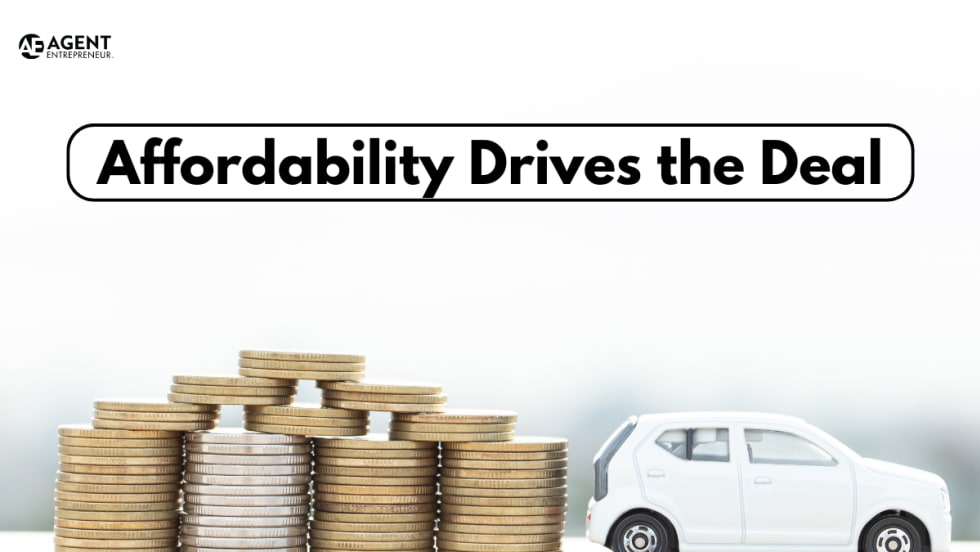
Affordability Shapes Auto Demand
Auto originations increased 1% in the first quarter, and electric vehicles are rebounding, according to TransUnion's latest credit report.
Read More →
The Evolution of Agency Development in Modern F&I
General agents have a different roadmap for success than their predecessors. It will pay for them to follow it in order to be true dealer partners.
Read More →
Four-Figure Loan Payments on the Rise
A LendingTree analysis found that location, age and credit score play a role in the rising amount of auto loan borrowers who make monthly payments of $1,000 or more.
Read More →
APCO Holdings Acquires Fidelity Dealer Services
The finance-and-insurance product provider says the addition strengthens EasyCare’s reach across key markets.
Read More →
Tariffs Could Raise Insurance Premiums
As U.S. import tariffs affect repair costs, consumers might find it more affordable to replace a damaged vehicle, according to recent Insurify tariff analysis.
Read More →
Ensure Your Clients Are Sure About Reinsurance
Industry experts recently broke down the complicated profit center at Agent Summit. Learn what’s relevant and what’s new to share with your dealers.
Read More →
Car Loans More Plentiful
May access opens up, as risk segments figured largely in the increased availability, Cox Automotive reported.
Read More →
First-Quarter Sees Long Auto Loan Growth
Experian data show more consumers are tapping the method, along with refinancings, to afford buying. Meanwhile, subprime borrowers are getting more access.
Read More →