Industry
Agent Acumen
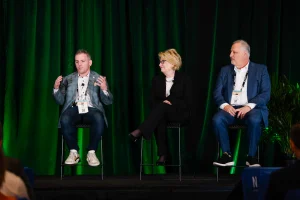
An Agent Summit panel of people who’ve been supporting auto dealers for years gave both timely and timeless advice for those starting out or mulling the prospect.


 MENU
MENU SEARCH
General agents have a different roadmap for success than their predecessors. It will pay for them to follow it in order to be true dealer partners.

When an agent helps a dealer improve operational performance, the relationship becomes more strategic.
Pexels/AlphaTradeZone
The role of the independent agent has changed significantly over the past decade. Not long ago, success was often measured by product sales and contract volume. Today, dealers expect much more from their agent partners.
Dealers are looking for guidance, expertise and strategies that help improve dealership performance and long-term profitability.
As the automotive retail environment becomes more complex, agency development is no longer just about growing revenue. It is about creating sustainable value for dealers and building stronger, longer-lasting relationships.
The most successful agents have recognized the shift. They are moving beyond transactional conversations and becoming trusted business advisers.
Strong agencies are built on strong dealer relationships. That sounds simple, but the way agents support dealerships continues to evolve.
Today, dealers need help improving finance-and-insurance performance, creating consistent customer experiences, managing compliance risks, and connecting fixed operations with broader retention strategies. Agents who focus on those areas create value that extends well beyond product offerings.
When an agent helps a dealer improve operational performance, the relationship becomes more strategic. Instead of competing solely on rates or products, the agent becomes a partner in the dealership's growth.
That approach benefits both parties. Dealers gain measurable improvements in performance, while agencies build stronger retention and long-term account stability.
One of the biggest challenges facing dealerships today is turnover. Leadership changes, F&I manager transitions, and staffing shortages can quickly impact performance.
As a result, ongoing education has become one of the most valuable services an agency can provide.
Training today must go beyond traditional product knowledge. Dealers need support in areas such as compliance, digital retailing, customer communication, leadership development, and technology adoption. Continuous coaching helps create consistency, especially during periods of change.
Agents who invest in education create a competitive advantage for their dealer partners. They help teams stay aligned, improve execution, and maintain performance regardless of staffing changes.
In an industry where people remain the most important asset, training is no longer an optional value-add. It has become a critical business strategy.
Agency development should not be measured only by short-term production numbers. The strongest agencies help dealers think beyond monthly results and focus on long-term business value.
Many dealers are increasingly interested in strategies that support wealth creation, succession planning and financial stability. Those conversations often include participation programs, risk-management strategies, and plans for preserving equity over time.
Agents who understand those topics can provide a broader perspective that strengthens dealer relationships. Rather than focusing solely on immediate revenue opportunities, they help dealers make decisions that support future growth.
That advisory approach positions the agent as a trusted resource and creates deeper business partnerships.
Technology continues to transform every part of automotive retail, and agency development is no exception.
Dealers expect greater visibility into performance metrics, customer trends, and operational opportunities. Data-driven insights help identify gaps in product penetration, uncover compliance concerns, and highlight opportunities for improvement.
Artificial intelligence is also beginning to play a larger role in coaching and performance management. While technology will never replace strong relationships, it can help agents and dealers make faster, more informed decisions.
The agencies that embrace technology as a tool for accountability, visibility and continuous improvement will be better positioned to support their dealers in the years ahead.
Many agencies face another challenge that receives less attention: succession planning.
The next generation of professionals has different expectations regarding career growth, mentorship, technology and workplace culture. Agencies that want sustainable growth must invest in leadership development and create systems that support long-term scalability.
Successful organizations are not built around a single individual. They are built around repeatable processes, strong cultures and a commitment to developing future leaders.
Recruiting and retaining talent will continue to be a major factor in agency success.
Tomorrow belongs to agents who view themselves as business advisers rather than product providers.
Dealer partners are looking for expertise that extends across training, compliance, operational performance, technology and long-term business planning. Agencies that can deliver value in those areas will continue to differentiate themselves in an increasingly competitive market.
Agency development is no longer defined by the products an agent offers. It is defined by the impact that agent has on dealer success.
The agencies that embrace the broader role will be the ones that achieve sustainable growth and create lasting value for both their dealers and their businesses.
Spencer Wanderon is senior vice president, indirect sales for EasyCare, leading the company’s indirect agency channel nationally.
EDITOR’S NOTE: This article was authored and edited according to Agent Entrepreneur editorial standards and style. Opinions expressed may not reflect that of the publication.
Loading data...
Industry
An Agent Summit panel of people who’ve been supporting auto dealers for years gave both timely and timeless advice for those starting out or mulling the prospect.






F&I
General agents have a different roadmap for success than their predecessors. It will pay for them to follow it in order to be true dealer partners.
Industry
Rob Mancuso, who comes from a long line of auto dealers, values general agents’ place in the industry and makes a case for them taking an even bigger seat at the table.
Industry
The secret to both amazing barbecue and compliance is the same: understanding the basics and committing to a process.
Sales
Reflections from the 2026 Agent Summit: gratitude, gut decisions, and the power of the first contact
Industry
Auto dealers don’t have to settle for high employee turnover. Despite historical patterns of rotating dealership doors, they can tweak their processes to find and keep the right people on staff.
F&I
A StoneEagle 2025 industry report reads like a stress test. In a noisy year, F&I became the foundation that kept the house standing when the front end thinned.
Industry
Several automotive industry experts offer their advice on establishing an agency and building it to your highest potential.
Industry
As America turns 250, explore how the automotive industry shaped jobs, culture, innovation, and mobility from Detroit assembly lines to today’s EV era.