



US Equity Advantage Achieves Nationwide Footprint
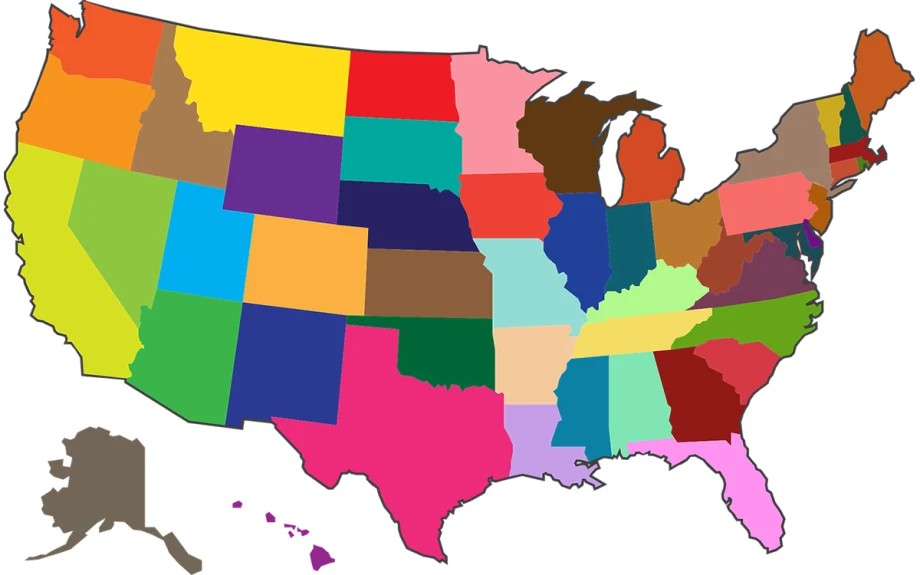
AutoPayPlus biweekly loan acceleration service now available in all 50 states.

AutoPayPlus biweekly loan acceleration service now available in all 50 states.
ORLANDO, Fla. – US Equity Advantage (USEA) has entered into a sponsor bank relationship with Community Federal Savings Bank (CFSB), a federally chartered and FDIC insured financial institution, whose ACH services will allow dealerships nationwide to offer the company’s award-winning AutoPayPlus accelerated loan payment F&I service. The umbrella coverage that CFSB provides will supplement the states where USEA maintains its own money transmission licenses to allow the company to achieve a national footprint.
It is important that we have the ability to serve the needs of car-buyers, regardless of where the live, while remaining fully compliant with all of the regulatory issues relevant to the marketplace, including stringent money transmitter requirements.
“The auto industry is at a crossroads, with financing amounts and terms continuing to reach all-time highs and digital natives gravitating toward online car buying experiences,” explained USEA CEO Robert Steenbergh. “It is important that we have the ability to serve the needs of car-buyers, regardless of where the live, while remaining fully compliant with all of the regulatory issues relevant to the marketplace, including stringent money transmitter requirements. Our relationship with CFSB gives USEA the ability to do just that.”
AutoPayPlus empowers dealers to add value to a vehicle purchase by helping customers better afford their loan payment and purchase additional F&I products without changing the monthly payment amount or extending the loan term. It also enables customers to trade out earlier and return to the dealer in a positive equity position.
An analysis by USEA has found that dealerships sell approximately 57% more F&I products with AutoPayPlus compared to standard retail deals. Moreover, top dealers have achieved a 63% increase in per-vehicle financed income on AutoPayPlus customers. Since 2003, over 200,000 consumers have enrolled in USEA’s F&I service.
Originally posted on F&I and Showroom
More F&I
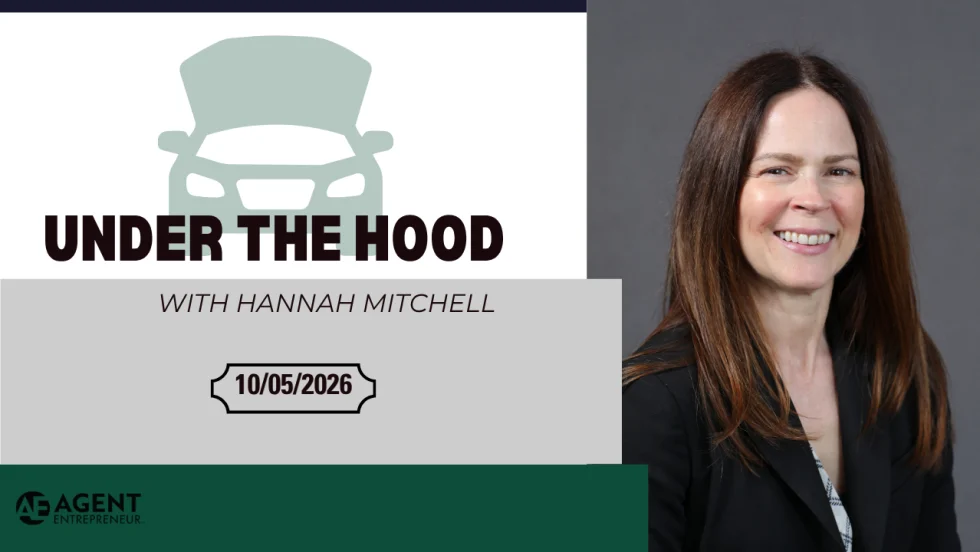
To Include Products in the First Pencil or Not
In this month's Under the Hood, Editor Hannah Mitchell examines a question many auto dealers have been asking since Federal Trade Commission enforcement intensified this year.
Read More →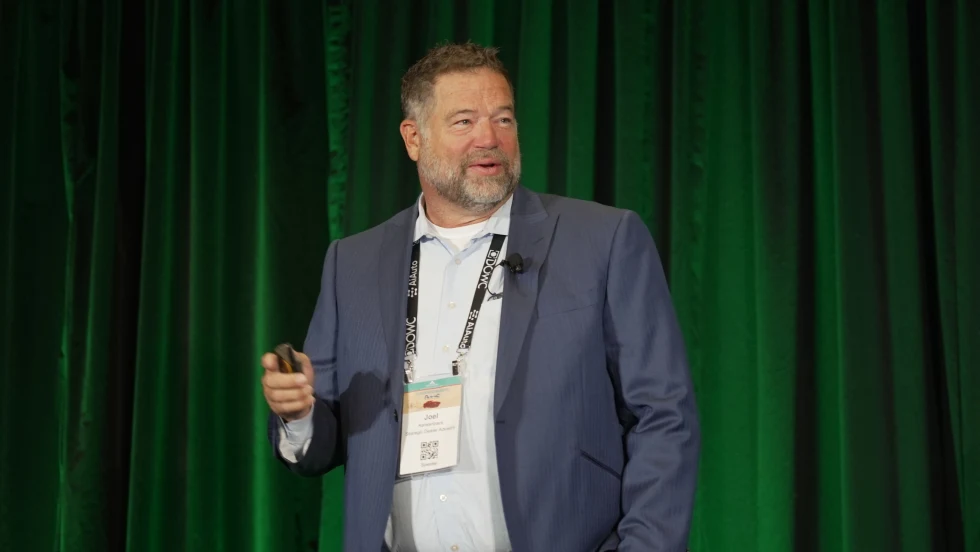
Get Ahead of the Change
A strong culture, among other things, will be a key differentiator for auto dealerships as the market speeds ahead to new heights, says industry veteran Joel Kansanback.
Read More →
F&I Without the Handoff
Get more familiar with what your dealer clients are really buying when they entrust you with finance-and-insurance.
Read More →
Affordability Shapes Auto Demand
Auto originations increased 1% in the first quarter, and electric vehicles are rebounding, according to TransUnion's latest credit report.
Read More →
The Evolution of Agency Development in Modern F&I
General agents have a different roadmap for success than their predecessors. It will pay for them to follow it in order to be true dealer partners.
Read More →
Four-Figure Loan Payments on the Rise
A LendingTree analysis found that location, age and credit score play a role in the rising amount of auto loan borrowers who make monthly payments of $1,000 or more.
Read More →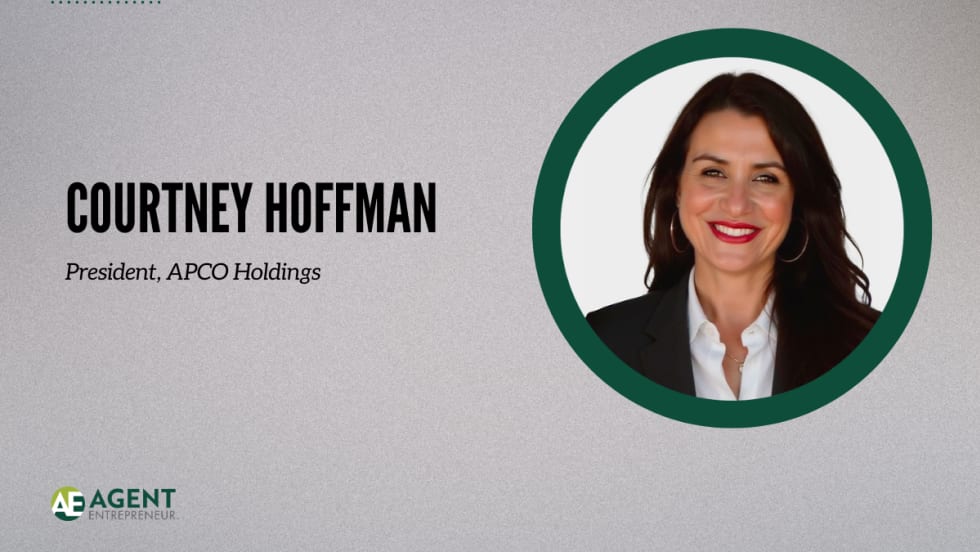
APCO Holdings Acquires Fidelity Dealer Services
The finance-and-insurance product provider says the addition strengthens EasyCare’s reach across key markets.
Read More →
Tariffs Could Raise Insurance Premiums
As U.S. import tariffs affect repair costs, consumers might find it more affordable to replace a damaged vehicle, according to recent Insurify tariff analysis.
Read More →
Smaller Loans, Longer Terms
The youngest generation of car buyers is more likely to finance less expensive vehicles, more than half of generation Z consumers borrowing less than $25,000.
Read More →
Ensure Your Clients Are Sure About Reinsurance
Industry experts recently broke down the complicated profit center at Agent Summit. Learn what’s relevant and what’s new to share with your dealers.
Read More →