



Interest Rates Stay Status Quo—For Now
Federal Reserve keeps interest rates steady but signals borrowing costs will increase by another half of a percentage point by year’s end.


Additional rate hikes will elevate borrowing costs for vehicles and homes.
Pixabay
The Federal Reserve kept interest rates status quo but has signaled that borrowing costs likely will increase by another half of a percentage point by year’s end.
“Holding the target (interest rate) range steady at this meeting allows the committee to assess additional information and its implications for monetary policy,” said the Federal Open Market Committee in a unanimous policy statement.
Further rate increases will consider “the cumulative tightening of monetary policy, the lags with which monetary policy affects economic activity and inflation, and economic and financial developments," the committee reported.
Federal Reserve rate hikes could cause elevated borrowing costs for consumers who require new or used auto loans and other types of credit. Higher rates can also affect the housing and construction markets, key drivers of light-truck demand.
Policymakers at the median predict the benchmark overnight interest rate will rise from the current 5.00-5.25% range to a 5.50-5.75% range by year’s end. One official sees the rate rising above 6%, while two officials expect rates to stay where they are and four see a single additional quarter-percentage-point increase.
Two Fed officials see rates staying where they are, and four see a single additional quarter-percentage-point increase as likely appropriate.
Policymakers, however, see 100 basis points of rate cuts in 2024, alongside fast-falling inflation, reported Automotive News.
All things considered, many investors expect quarter-percentage-point rate increases to start anew at the next policy meeting in July. An improved view of the economy and slower progress in returning inflation to the central bank's 2% target are among the reasons for this outlook.
The economy's strength will cause inflation to decrease at a slower pace, with the core Personal Consumption Expenditures Price Index falling to 3.9% by the end of the year, as opposed to the March policymaker projections of a 3.6% year-end rate.
Originally posted on Auto Dealer Today
More F&I
To Include Products in the First Pencil or Not
In this month's Under the Hood, Editor Hannah Mitchell examines a question many auto dealers have been asking since Federal Trade Commission enforcement intensified this year.
Read More →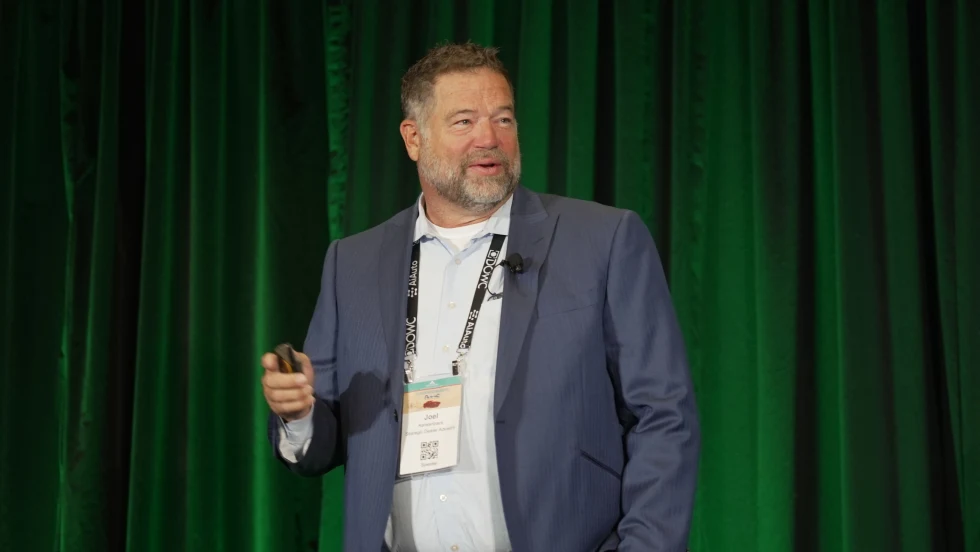
Get Ahead of the Change
A strong culture, among other things, will be a key differentiator for auto dealerships as the market speeds ahead to new heights, says industry veteran Joel Kansanback.
Read More →
F&I Without the Handoff
Get more familiar with what your dealer clients are really buying when they entrust you with finance-and-insurance.
Read More →
Affordability Shapes Auto Demand
Auto originations increased 1% in the first quarter, and electric vehicles are rebounding, according to TransUnion's latest credit report.
Read More →
The Evolution of Agency Development in Modern F&I
General agents have a different roadmap for success than their predecessors. It will pay for them to follow it in order to be true dealer partners.
Read More →
Four-Figure Loan Payments on the Rise
A LendingTree analysis found that location, age and credit score play a role in the rising amount of auto loan borrowers who make monthly payments of $1,000 or more.
Read More →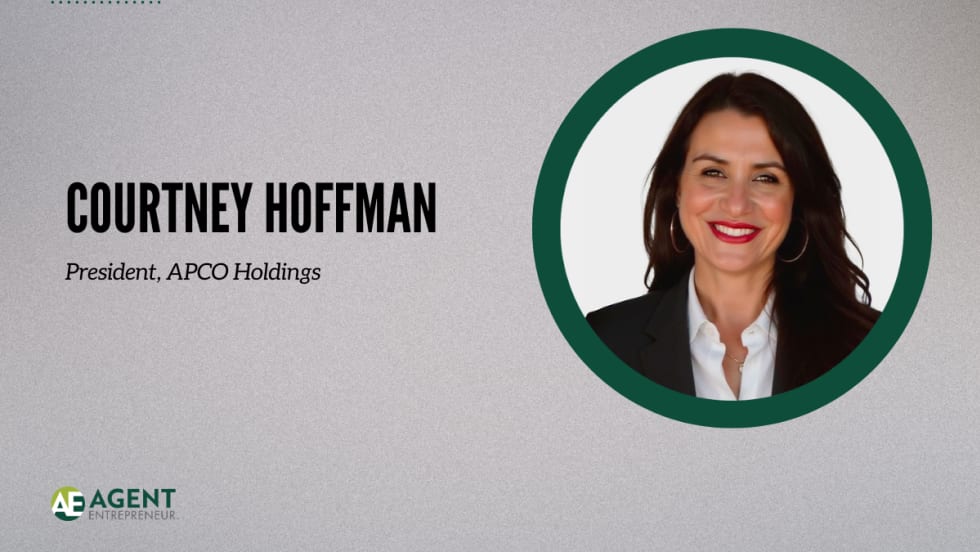
APCO Holdings Acquires Fidelity Dealer Services
The finance-and-insurance product provider says the addition strengthens EasyCare’s reach across key markets.
Read More →
Tariffs Could Raise Insurance Premiums
As U.S. import tariffs affect repair costs, consumers might find it more affordable to replace a damaged vehicle, according to recent Insurify tariff analysis.
Read More →
Smaller Loans, Longer Terms
The youngest generation of car buyers is more likely to finance less expensive vehicles, more than half of generation Z consumers borrowing less than $25,000.
Read More →
Ensure Your Clients Are Sure About Reinsurance
Industry experts recently broke down the complicated profit center at Agent Summit. Learn what’s relevant and what’s new to share with your dealers.
Read More →