



Lessors are Still Not Planning for the Shift to Electrification
Few people have a crystal ball showing when this eventual shift in preference to EV vehicles will take place. However, based on the actions of vehicle manufacturers and governments, we know this is where the industry is headed.
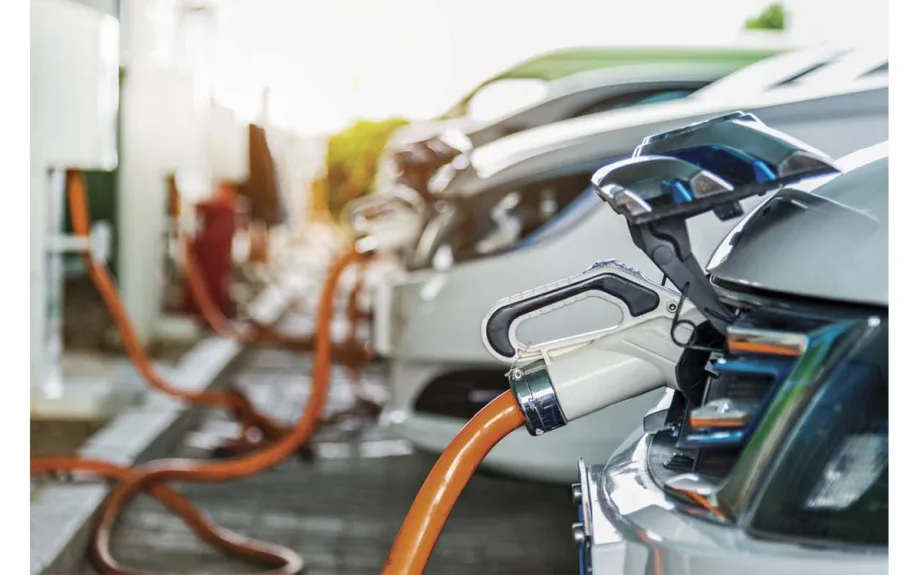
Few people have a crystal ball showing when this eventual shift in preference to EV vehicles will take place. However, based on the actions of vehicle manufacturers and governments, we know this is where the industry is headed.
IMAGE: Getty Images
Prior to the COVID-19 pandemic’s effects on the automotive industry, electric vehicles (EV) were increasingly grabbing headlines even though the sales of these vehicles were miniscule compared with gas-powered cars and trucks. In fact, the combined annual sales of battery electric vehicles and plug-in hybrid electric vehicles tipped over the two-million-vehicle mark for the first time in 2019, according to IEA’s Global EV Outlook.
While this milestone was notable for EV fans worldwide, it still paled in comparison to overall annual new vehicle sales, which consistently neared 17 million prior to the pandemic. Nevertheless, changing consumer behaviors and a rapidly increasing focus toward reducing the global carbon footprint has placed much greater focus on EV cars and trucks in the near future.
Many vehicle manufacturers have unveiled plans to either launch new EV cars and trucks, or they have made plans to electrify significant portions of their current fleets over the next decade, with some announcing goals for fully electrified lineups in as little as five years.
EV Cars and Trucks are Coming
A record number of almost 100 pure battery electric vehicles (BEVs) are set to debut by the end of 2024 according to these plans, stated Consumer Reports. Revised goals for a reduced carbon footprint are driving much of this shift.
President Biden recently unveiled a major component of his administration's plan to battle the growing climate crisis. In early August he announced a new target that half of vehicles sold in the country by 2030 will be battery electric, fuel-cell electric or plug-in hybrid. Along with major automakers by his side, approximately 40% - 50% of cars and trucks sold by 2030 will need to be electric vehicles, reported CNN.
How This Onslaught Impacts Lessors
While many cheered at this announcement, lessors and the captive lending arms of manufacturers must take notice of how this shift will impact the residual risk that lies within their vehicle portfolios. Similarly to how the makeup of portfolios were drastically altered in the period between 2009 – 2015 when SUVs, trucks and crossovers replaced the majority of sedans, residual risk will once again see a shift when the inevitable takes place – EV cars and trucks become the majority of portfolios over internal combustion engine (ICE) vehicles.
This shift is no longer a matter of if, but a matter of when, and this change will impact many within the automotive ecosystem, including leasing companies. Lessors have reason to fear that leased ICE vehicles may come back as inferior products compared with the excitement surrounding the onslaught of EV cars and trucks, as well as the eventual growing demand for them. This shift could result in another round of significant portfolio losses, not seen since the financial credit freeze of 2009 and subsequent shift from sedan to truck/SUV.
What Can Lessors Do To Prepare?
Given that we know this eventual shift will take place, especially with the benefit of history telling us these changes do have a material impact on portfolios, lessors should be preparing today.
Lessors today need to pay close attention to their portfolio management. They should pay closer attention to the addition of EV cars and trucks and then maintain a balanced portfolio of ICE and EV vehicles in proportion to their new sales volume.
Lessors should also prepare to engage in proactive remarketing to stay ahead of the curve by proactively remarketing residual-challenged vehicles or vehicles that are trending down with attractive consumer and dealer buy out packages.
Furthermore, lessors should educate themselves on residual value insurance against residual value loss as the industry navigates through a heightened period of residual value risk, especially since no one has the crystal ball of when exactly this shift will take place.
Why is residual value insurance critical? It is an especially effective tool for aiding lessors (OEM Captives, banks, and Credit Unions) when used vehicle prices are or will be volatile. When a major change occurs in consumer preferences (such as the inevitable movement toward EV), which effects changes in supply, demand, and pricing, the risk that lessors are exposed to, i.e., that their residual values will be higher on ICE vehicles than the market will bear when they come back to market, is great and they will need protection.
It also sets a floor under the amount of residual losses a lessor can have and can free up capital that a lessor would have to reserve in a time of uncertainty, facilitating the lessor to put its capital to more productive use, i.e., growing the business.
Few people within the automotive industry have a crystal ball showing when this eventual shift in preference to EV vehicles will take place. However, based on the actions, strategies and plans of not only the vehicle manufacturers, but also global governments, we know this is where the industry is headed. It is time for lessors to realize this eventual shift and take the necessary steps to plan their portfolios accordingly.
Wei Fan is Senior Vice President, Head of Passenger Vehicle and Analytical Services for RVI Group, a leading provider residual value insurance, financial solutions and analytical services.
More F&I

To Include Products in the First Pencil or Not
In this month's Under the Hood, Editor Hannah Mitchell examines a question many auto dealers have been asking since Federal Trade Commission enforcement intensified this year.
Read More →
Get Ahead of the Change
A strong culture, among other things, will be a key differentiator for auto dealerships as the market speeds ahead to new heights, says industry veteran Joel Kansanback.
Read More →
F&I Without the Handoff
Get more familiar with what your dealer clients are really buying when they entrust you with finance-and-insurance.
Read More →
Affordability Shapes Auto Demand
Auto originations increased 1% in the first quarter, and electric vehicles are rebounding, according to TransUnion's latest credit report.
Read More →
The Evolution of Agency Development in Modern F&I
General agents have a different roadmap for success than their predecessors. It will pay for them to follow it in order to be true dealer partners.
Read More →
Four-Figure Loan Payments on the Rise
A LendingTree analysis found that location, age and credit score play a role in the rising amount of auto loan borrowers who make monthly payments of $1,000 or more.
Read More →
APCO Holdings Acquires Fidelity Dealer Services
The finance-and-insurance product provider says the addition strengthens EasyCare’s reach across key markets.
Read More →
Tariffs Could Raise Insurance Premiums
As U.S. import tariffs affect repair costs, consumers might find it more affordable to replace a damaged vehicle, according to recent Insurify tariff analysis.
Read More →
Smaller Loans, Longer Terms
The youngest generation of car buyers is more likely to finance less expensive vehicles, more than half of generation Z consumers borrowing less than $25,000.
Read More →
Ensure Your Clients Are Sure About Reinsurance
Industry experts recently broke down the complicated profit center at Agent Summit. Learn what’s relevant and what’s new to share with your dealers.
Read More →