



Consumers Trying to Keep Down Insurance Costs
Though rates may be stabilizing, many pay out of pocket for repairs, shop for new carriers.


The number of consumers shopping for new insurance was up 7% year-over-year in the second quarter, despite rates being flat.
Pexels/Sindre Fs
With the cost of auto insurance on the rise in recent years, along with car prices and other expenses, consumers are employing all the avenues they can to save money on the necessity.
A LendingTree survey of 2,000 U.S. consumers found that more than a third have opted to pay out of pocket for repairs due to collisions or other incidents. The poll further revealed that 24% have regretted filing an auto insurance claim.
Meanwhile, the number of consumers shopping for new insurance keeps increasing, up 7% year-over-year in the second quarter and setting a record for the second straight quarter, according to TransUnion. That’s despite the Consumer Price Index for auto insurance being flat in May after steady increases since late 2021.
“It is very encouraging to see indicators that carriers are returning to rate adequacy, and ultimately profitability,” said TransUnion insurance business unit’s Stothhard Deal.
Despite rates showing signs of stabilizing, the LendingTree poll found that for consumers who’ve paid for repairs without their insurers’ help, 42% said they wanted to avoid an insurance rate increase as a result of filing a claim, while 59% indicated the damage was minor, and 44% said their deductibles were higher than the cost of repair.
LendingTree said 76% of survey respondents who’ve paid for repairs themselves had deductibles under $1,000 and 65% spent less than $1,000.
Of respondents who have filed insurance claims for repairs, 24% said they regretted it, 59% of those due to insurance rate bumps, 36% due to reduced vehicle value, and 33% because of a high deductible.
The survey found that 73% of consumers prefer to pay for minor repairs themselves than file a claim, and about half have paid out of pocket for damages that would’ve been covered by their insurance.
Originally posted on Auto Dealer Today
More F&I
To Include Products in the First Pencil or Not
In this month's Under the Hood, Editor Hannah Mitchell examines a question many auto dealers have been asking since Federal Trade Commission enforcement intensified this year.
Read More →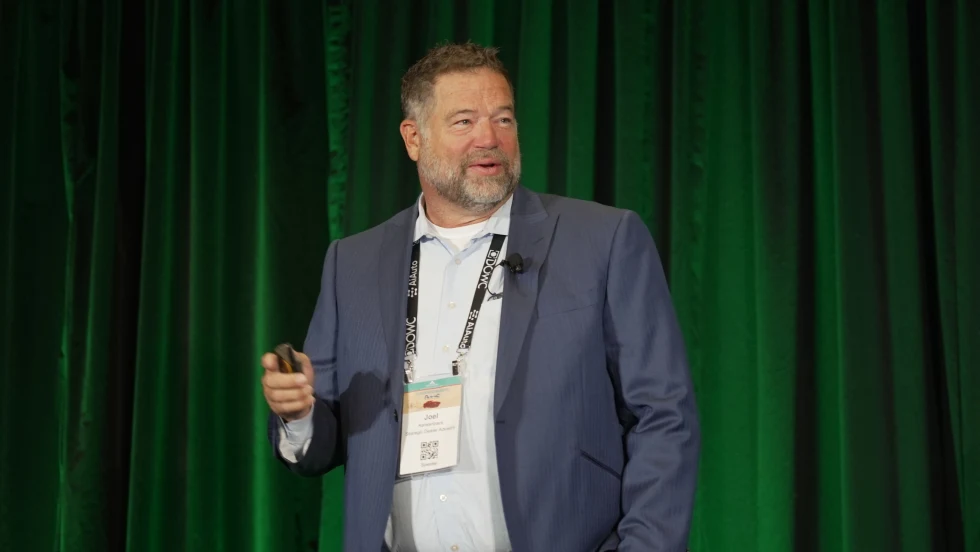
Get Ahead of the Change
A strong culture, among other things, will be a key differentiator for auto dealerships as the market speeds ahead to new heights, says industry veteran Joel Kansanback.
Read More →
F&I Without the Handoff
Get more familiar with what your dealer clients are really buying when they entrust you with finance-and-insurance.
Read More →
Affordability Shapes Auto Demand
Auto originations increased 1% in the first quarter, and electric vehicles are rebounding, according to TransUnion's latest credit report.
Read More →
The Evolution of Agency Development in Modern F&I
General agents have a different roadmap for success than their predecessors. It will pay for them to follow it in order to be true dealer partners.
Read More →
Four-Figure Loan Payments on the Rise
A LendingTree analysis found that location, age and credit score play a role in the rising amount of auto loan borrowers who make monthly payments of $1,000 or more.
Read More →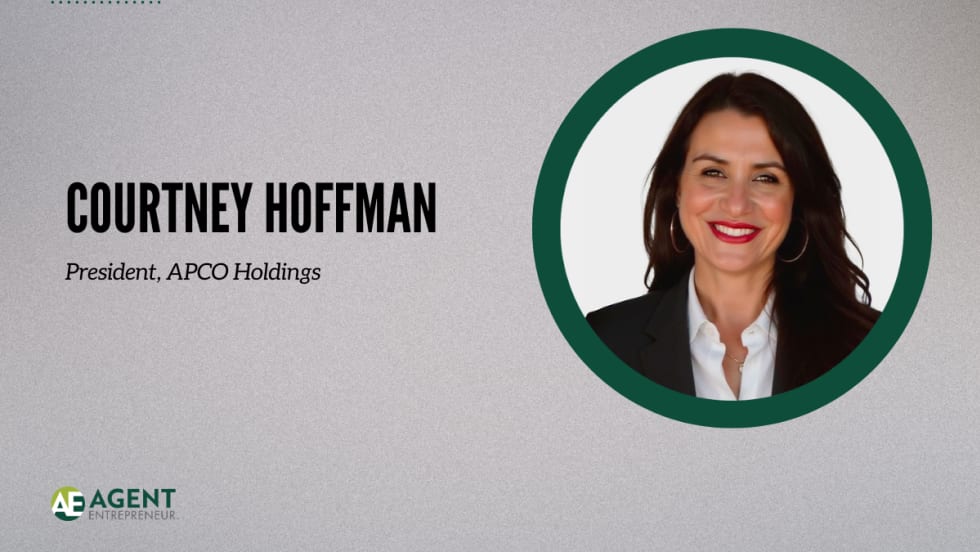
APCO Holdings Acquires Fidelity Dealer Services
The finance-and-insurance product provider says the addition strengthens EasyCare’s reach across key markets.
Read More →
Tariffs Could Raise Insurance Premiums
As U.S. import tariffs affect repair costs, consumers might find it more affordable to replace a damaged vehicle, according to recent Insurify tariff analysis.
Read More →
Smaller Loans, Longer Terms
The youngest generation of car buyers is more likely to finance less expensive vehicles, more than half of generation Z consumers borrowing less than $25,000.
Read More →
Ensure Your Clients Are Sure About Reinsurance
Industry experts recently broke down the complicated profit center at Agent Summit. Learn what’s relevant and what’s new to share with your dealers.
Read More →