



Battery Storage Takes Priority Over EVs
U.S. automakers are prioritizing battery energy stationary storage over electric-vehicle production as the consumer demand for EVs lags the rest of the world.

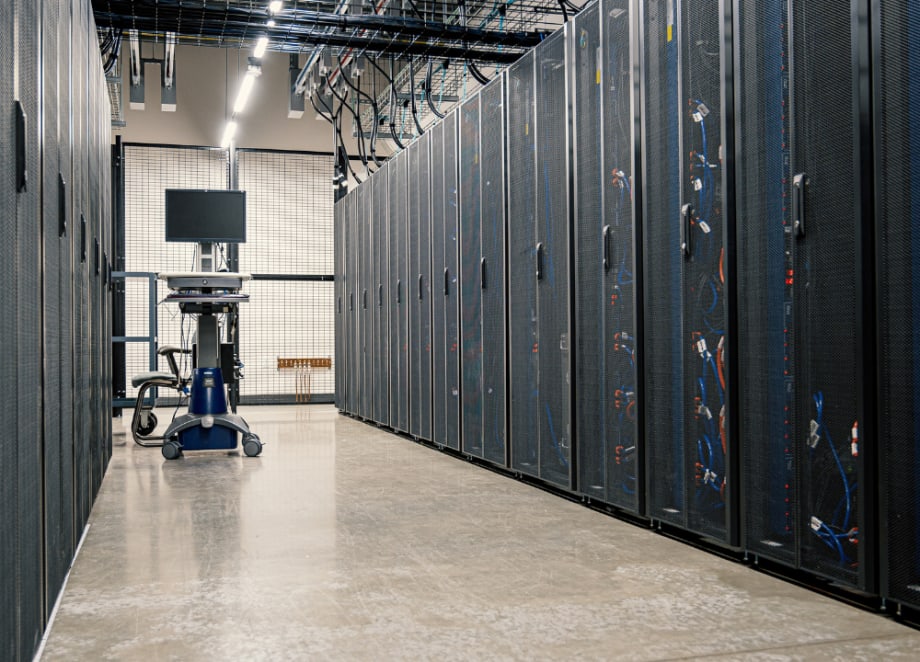
The demand for BESS comes from the growing artificial intelligence data center segment in the U.S.
Pexels/Brett Sayles
While U.S. electric-vehicle demand falls behind much of the world, demand for its battery energy stationary storage, or BESS, is on the rise, and automakers are getting in on the action.
According to Benchmark Mineral Intelligence’s second-quarter BESS Forecast, global data center BESS demand is expected to increase by over 160% through 2030, and it expects nearly half of it to come from the U.S. That would put the U.S. grid BESS capacity ahead of Europe but behind China.
The demand for BESS comes from the growing artificial intelligence data center segment, Benchmark said. Battery storage can assist data centers in various day-to-day and backup operations, according to Aurora Energy Research. Research and statistics platform The Global Statistics reported that as of March the U.S. hosted over 4,000 data centers.
Some automakers are embracing the shift from EV production to battery storage.
In May, Ford launched a subsidiary, Ford Energy, which will provide U.S.-assembled BESS for utilities, data centers and large industrial and commercial customers in the states. It plans to deploy at least 20 gigawatt hours, or 20 billion watt-hours of electricity, annually, and the first customer deliveries are planned for late 2027.
General Motors subsidiary, GM Energy, has partnerships with SunPower and Redwood Materials to supply BESS modules for power grid support.
More Industry

Penske Auto Group Deal a Record
The deal to take the dealership and transportation services company private sets a new pace for industry buy-sell transactions.
Read More →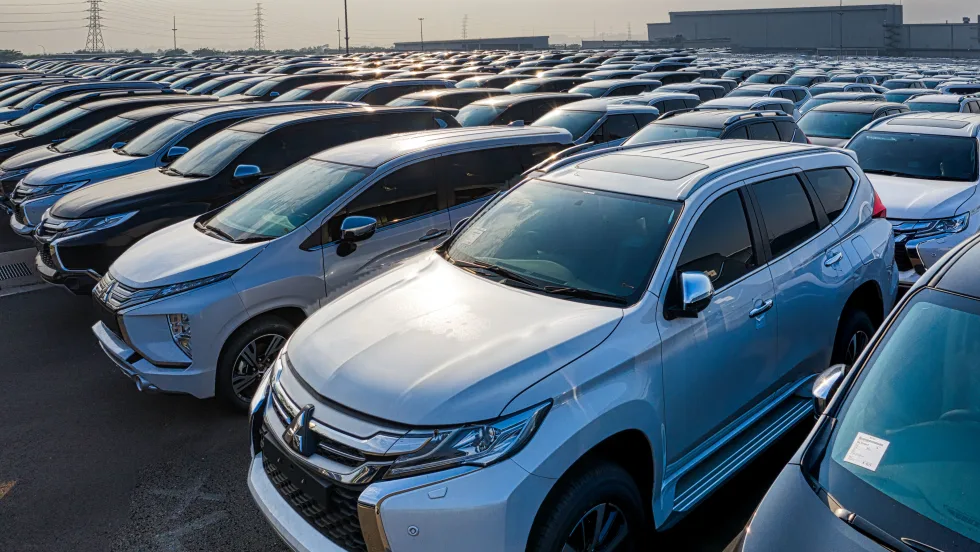
War Toll a Damper on Used Auto Prices
Cox Automotive found wholesale depreciation to be elevated in September amid high fuel prices and this year's unusual hurricane season.
Read More →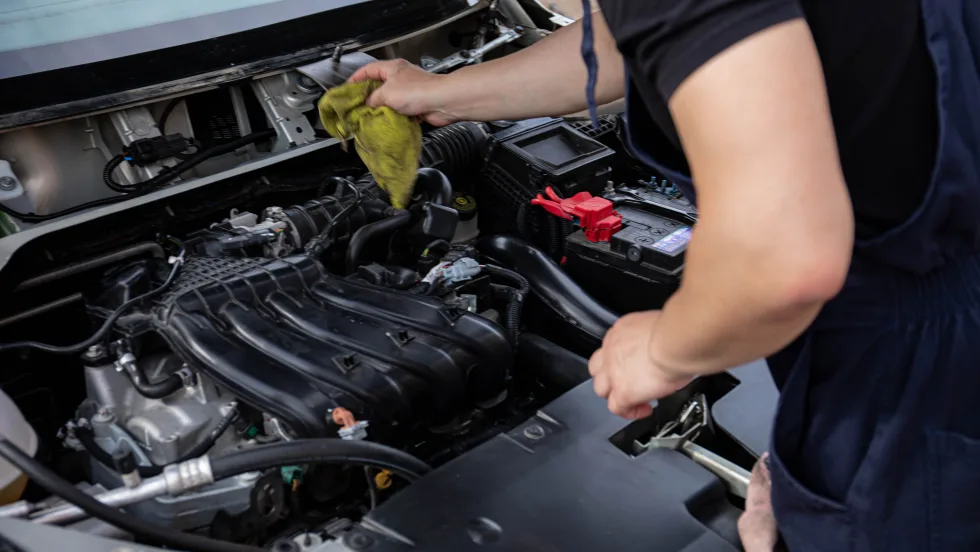
Bridge the Maintenance Gap
With many drivers missing recommended maintenance, service departments offering transparency and efficiency have a better chance of reaching financially strained consumers.
Read More →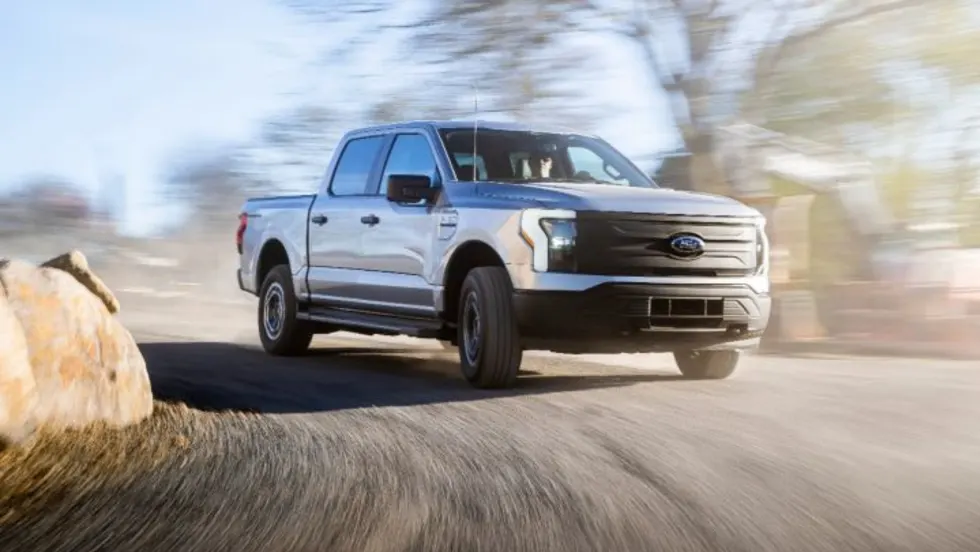
California Store Has New Owner
The longtime dealership in the northern part of the state is known for robust fleet sales and has served the state capital for 115 years.
Read More →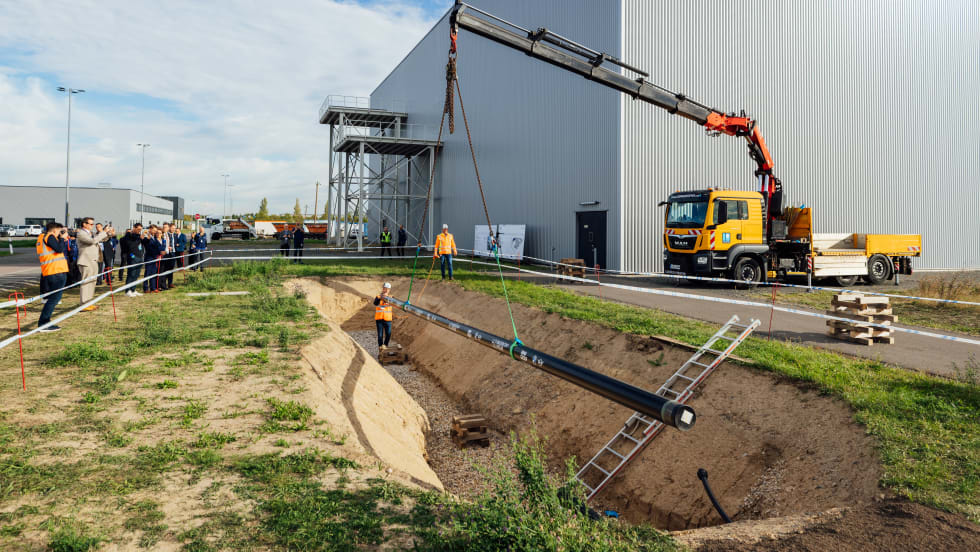
BMW Plant Pursues Cleaner Energy
BMW Group Plant Leipzig has utilized hydrogen to help power its production since 2013, but a new pipeline is planned to take it to another level.
Read More →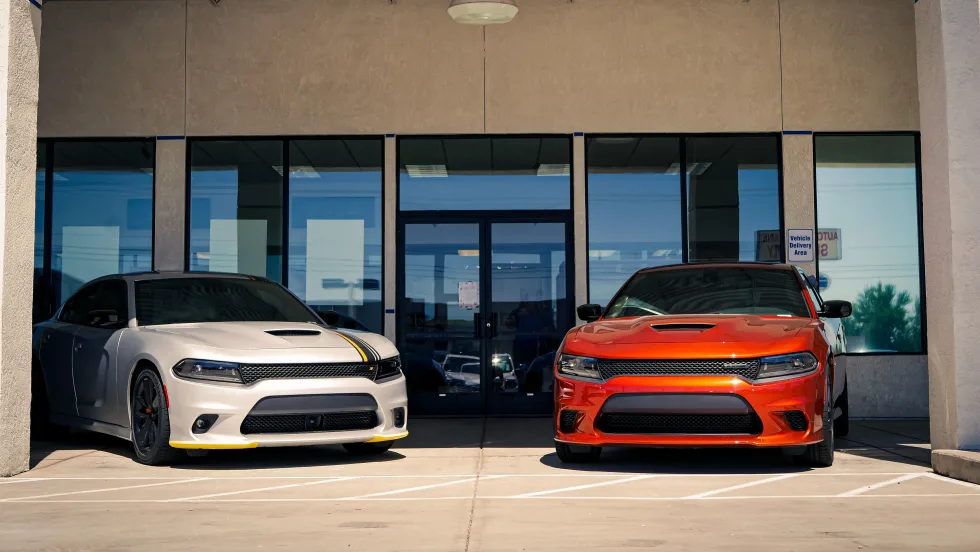
Auto Affordability Inches Up
The latest Cox Automotive and Moody’s Analytics index shows a slight increase in new-vehicle affordability despite high prices.
Read More →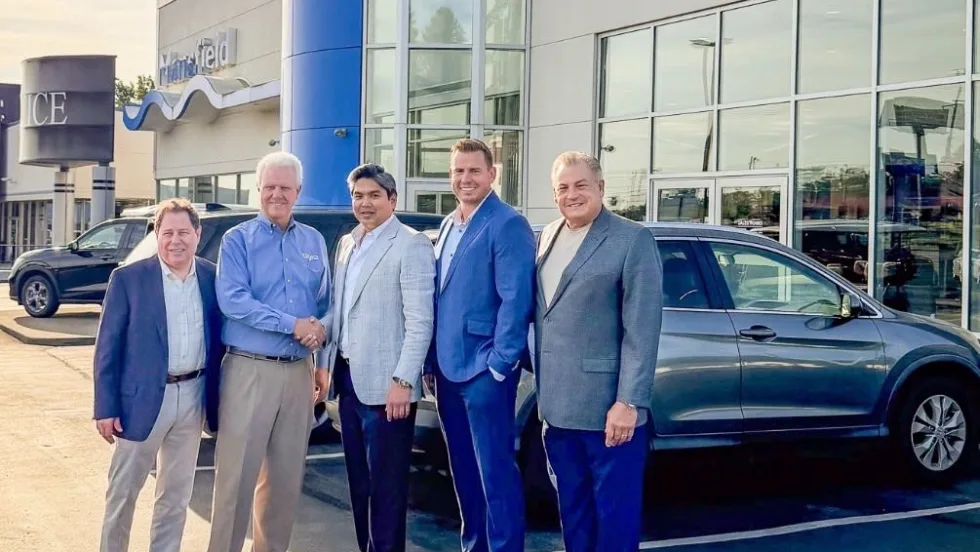
Ohio Auto Group Under New Ownership
After 79 years with the Schluter family, Mansfield Auto Group has been acquired by Missouri-based Clement Auto Group.
Read More →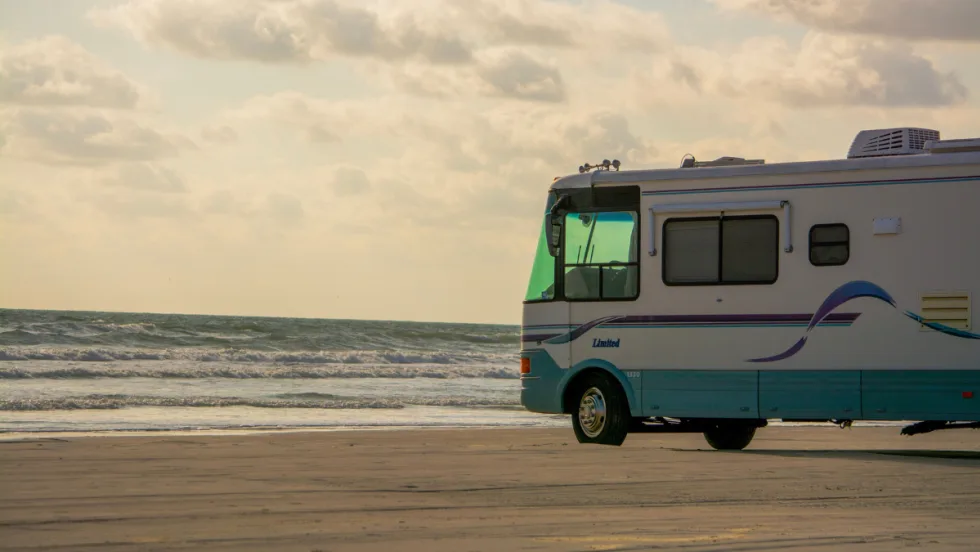
RV Group Expands Carolina Footprint
Blue Compass RV Columbia Northeast is the 13th RV dealership owned by Blue Compass in the Carolinas.
Read More →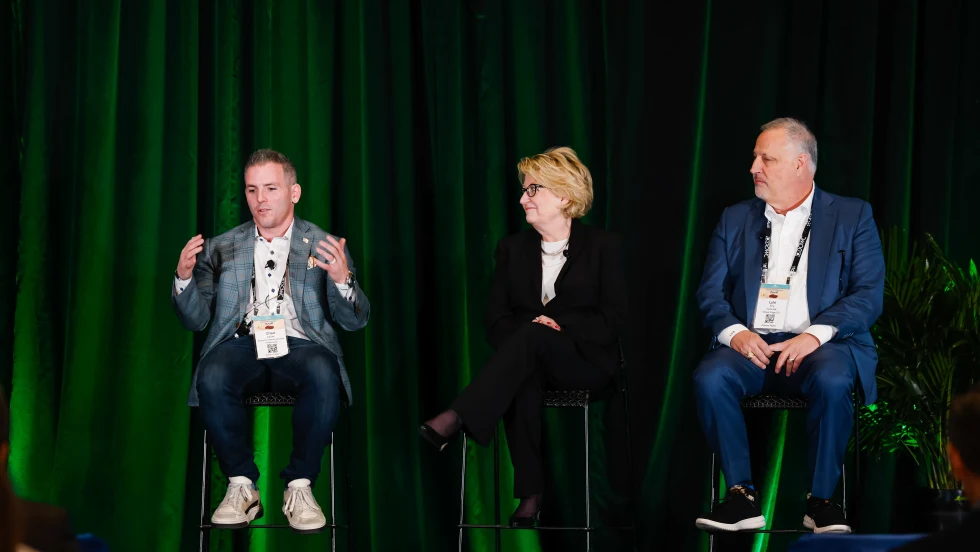
Agent Acumen
An Agent Summit panel of people who’ve been supporting auto dealers for years gave both timely and timeless advice for those starting out or mulling the prospect.
Read More →
Missed Maintenance Creates Opportunity
As families get back on the road and into daily school routines, service drives have an opportunity to capture customers who are behind on recommended vehicle maintenance.
Read More →