



Exposure Drives Interest in Chinese Cars
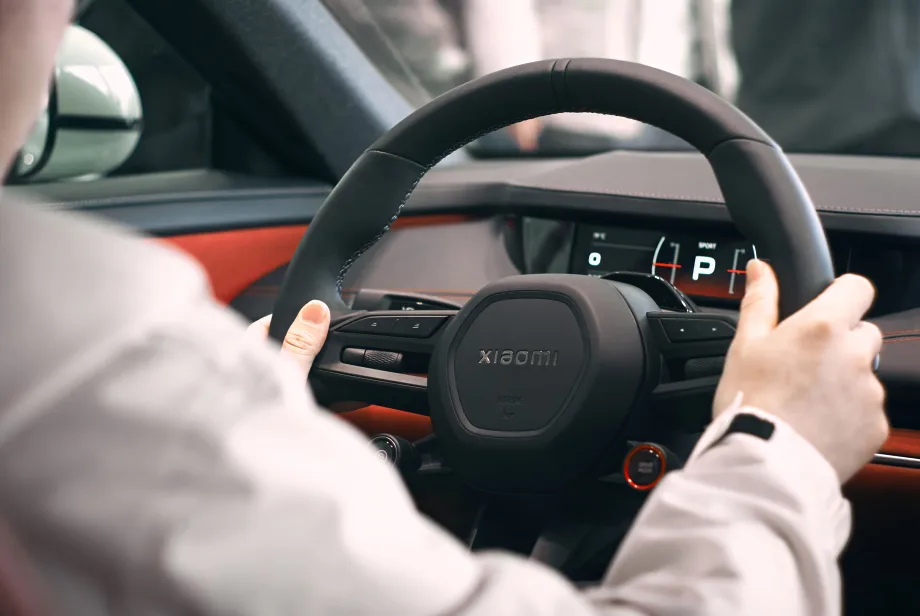
At a recent demonstration, consumers had the chance to ride in a Chinese-branded vehicle, a firsthand experience that improved their perceptions and purchase intent.

Forty percent of consumers supported Chinese auto brands entering the U.S., but only 15% of U.S. dealers said they supported it.
Pexels/Felix Maltz
Despite a 72% increase in global market share since 2020, Chinese auto brands have yet to enter the U.S. market, but firsthand exposure could drive a change in consumer interest.
The Center for Automotive Research in its June MBS Vehicle Experience Survey found that U.S. consumers may have limited firsthand exposure to Chinese-branded vehicles. At its MBS Demo Day, only 20% of guests had previous experience riding in one. But they had the chance to ride in a Xiaomi YU7 at the event, and the experience made a difference.
Consumers’ purchase intent increased after the rides, event guests saying they were impressed by the vehicle amenities, digital integration, ride quality, performance and finishes. Firsthand experience improved perceptions and purchase intent by almost 40%, according to the nonprofit research group.
The findings led the center to pose a pertinent question: If Chinese-branded vehicles become available in North America, will consumers follow?
Research by Cox Automotive this year showed a divide in consumer sentiment on the topic. Younger car shoppers were more open to Chinese auto brands while older generations remained resistant. And though nearly half of consumers said they were familiar with the brands, they lacked deeper understanding of them.
And the contrast between dealer and consumer sentiment was notable: 40% of consumers supported Chinese auto brands entering the U.S., but only 15% of dealers said they supported it.
Chinese brands have already made headway elsewhere in North America, having sold autos in Mexico for years and recently getting the green light from Canada to import a limited number of electric vehicles. Many U.S. industry experts see the same thing inevitably happening stateside.
More Industry

Penske Auto Group Deal a Record
The deal to take the dealership and transportation services company private sets a new pace for industry buy-sell transactions.
Read More →
War Toll a Damper on Used Auto Prices
Cox Automotive found wholesale depreciation to be elevated in September amid high fuel prices and this year's unusual hurricane season.
Read More →
Bridge the Maintenance Gap
With many drivers missing recommended maintenance, service departments offering transparency and efficiency have a better chance of reaching financially strained consumers.
Read More →
California Store Has New Owner
The longtime dealership in the northern part of the state is known for robust fleet sales and has served the state capital for 115 years.
Read More →
BMW Plant Pursues Cleaner Energy
BMW Group Plant Leipzig has utilized hydrogen to help power its production since 2013, but a new pipeline is planned to take it to another level.
Read More →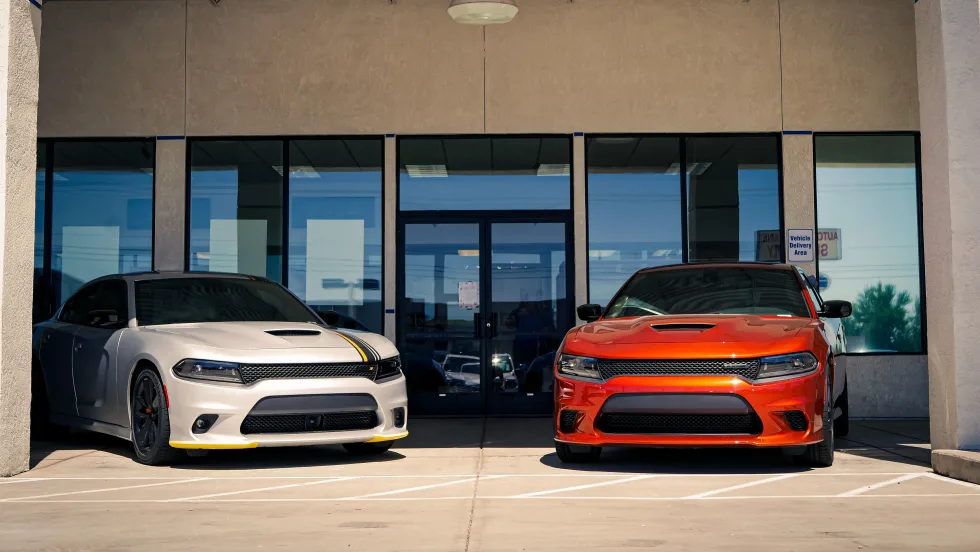
Auto Affordability Inches Up
The latest Cox Automotive and Moody’s Analytics index shows a slight increase in new-vehicle affordability despite high prices.
Read More →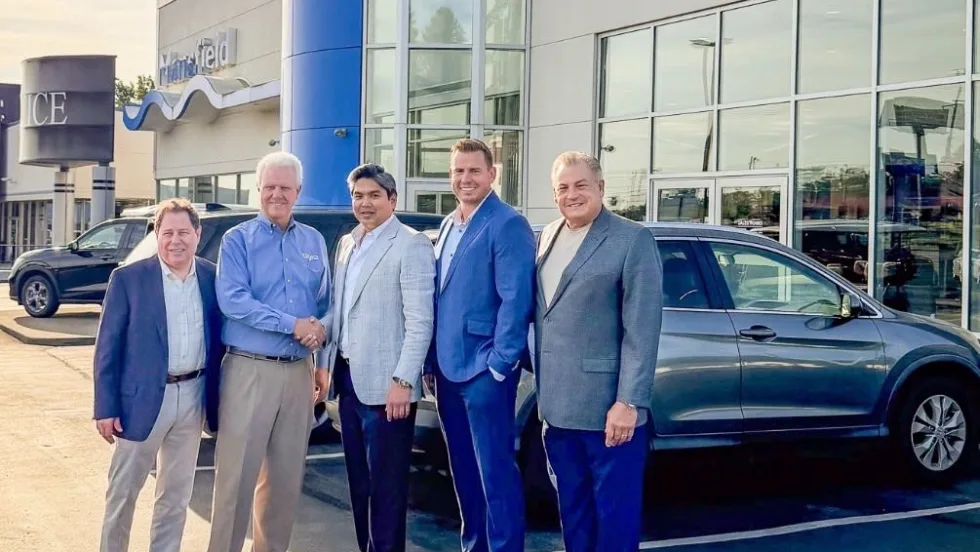
Ohio Auto Group Under New Ownership
After 79 years with the Schluter family, Mansfield Auto Group has been acquired by Missouri-based Clement Auto Group.
Read More →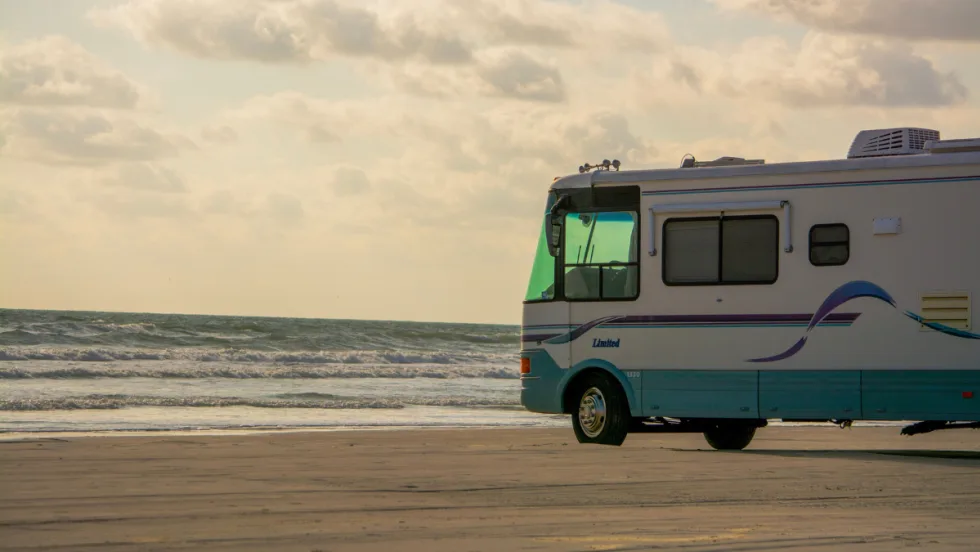
RV Group Expands Carolina Footprint
Blue Compass RV Columbia Northeast is the 13th RV dealership owned by Blue Compass in the Carolinas.
Read More →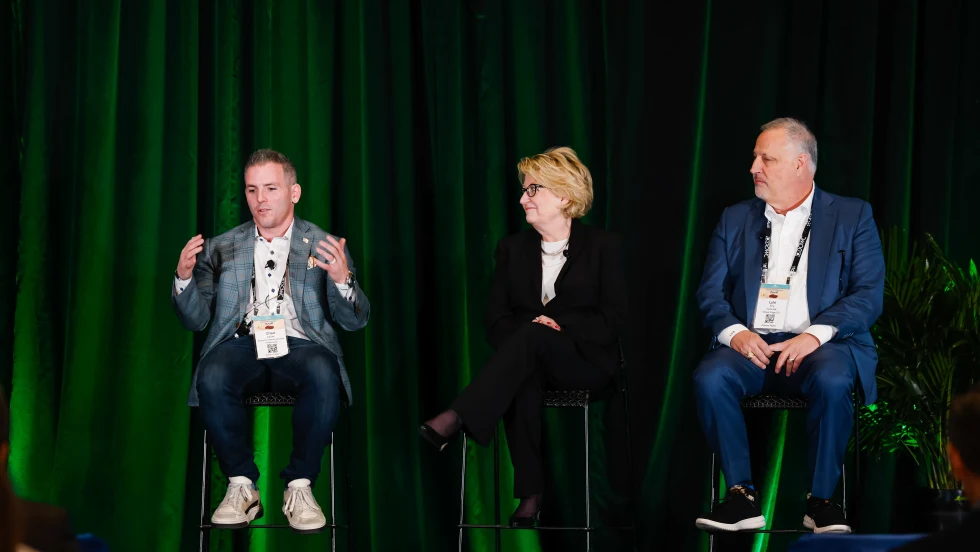
Agent Acumen
An Agent Summit panel of people who’ve been supporting auto dealers for years gave both timely and timeless advice for those starting out or mulling the prospect.
Read More →
Missed Maintenance Creates Opportunity
As families get back on the road and into daily school routines, service drives have an opportunity to capture customers who are behind on recommended vehicle maintenance.
Read More →