



5 Things Agents Need to Know About Reinsurance
Agents need not be reinsurance experts to properly advise their dealers, but failing to grasp the concept or partner with the right provider could put your hard-earned relationships at risk.

Agents need not be reinsurance experts to properly advise their dealers, but failing to grasp the concept or partner with the right provider could put your hard-earned relationships at risk.
IMAGE: GettyImages.com
In my last year as a dealer, I sold 1,000 vehicles and 500 service contracts a month. And the underwriting profits on those VSC sales went straight to the factory.
Armed with this information, you should be well-positioned to help your dealers choose a provider and program that works for them and will solidify your position as a trusted partner and advisor.
Why? Primarily, because that was 1998, when no more than 20% of franchised dealers owned their own reinsurance company, and partly because my servicing agent didn’t understand reinsurance, so we played it safe and wrote the factory programs.
After I sold my dealerships, I became aware of the concept of reinsurance and understood the wealth-building opportunity it presents. Today, I work with agents and their dealers to form and manage reinsurance companies to generate underwriting profits and investment income that traditionally belonged exclusively to factories and other insurers.
Nearly two decades later, the majority of new-car dealers are on some type of profit participation program. Many of those who are not are asking questions and seeking advice from their agents or reaching out to reinsurance providers directly.
To protect your dealers and the relationships you have built, you have to be prepared for those conversations. Here are five things every agent needs to know about reinsurance.
1. You Don’t Have to Be an Expert.
Dealers rely on agents to deliver F&I and compliance training in pursuit of above-average product penetration rates and profit per vehicle retailed in their dealerships. Dealers neither want nor need their agents to be reinsurance experts — but you will play a critical role in their reinsurance companies’ selection and success.
As an agent, you can help vet providers and select a partner that will protect your dealers’ rights as reinsurance company owners and work with you to maximize profits.
2. You Do Have to Be Involved.
One of the keys to reinsurance success is impeccable reporting. Providers should share and review reinsurance company financial and cession statements with every dealer on at least a quarterly basis, and the agent has to be there and be involved — no exceptions.
You will quickly learn how product sales, cancellations, and claims affect each dealer’s bottom line. Your agency’s profile and your role as a trusted partner and advisor should be enhanced, not threatened, by your reinsurance provider.
3. All Providers Are Not Created Equal.
Your reinsurance provider should be experienced, reputable, and dedicated to protecting the dealer’s rights of ownership. They must have a high client retention rate and be willing to provide references, work with dealers’ CPAs and attorneys and, of course, understand, support, and respect the agent’s role.
The best partners prove their value over time. They don’t claim any part of the dealer’s underwriting profits or investment income. They don’t put dealers in an unenviable tax position. They don’t put onerous restrictions on how dealers invest or borrow against their earnings. They fund each dealer’s reinsurance accounts — and your commissions — as quickly as possible.
4. Customization Is King.
Among the less-discussed benefits of reinsurance is the ability to customize F&I product rates, terms, and coverages to meet the wants and needs of dealership customers while maximizing profitability. And if you or your dealer wants to create a custom or one-off product you know their customers will buy and benefit from, your provider should be willing to work with you to make it happen.
Some providers continue to restrict the number or type of products dealers can reinsure. I totally disagree with this practice. If it’s priced right and claims are managed properly, any insurable product your dealers sell should at least be considered for inclusion.
5. You Can’t Set It and Forget It.
Reinsurance company success is not driven solely by F&I product sales. You have to monitor claims, identify trends that erode profits, and make adjustments when needed.
One common example is service contract claims paid within 30, 60, or 90 days. If those vehicles are incurring high numbers of claims, lax inspection and reconditioning could be to blame. Tightening up those processes can quickly reduce claims and improve the customer experience.
Your provider will likely urge your dealers to appoint an “A-person” — typically a senior-level manager — to track and report claims and create and enforce policies to reduce them. This is not a set-it-and-forget-it task. It’s an ongoing process.
Armed with this information, you should be well-positioned to help your dealers choose a provider and program that works for them and will solidify your position as a trusted partner and advisor.
Conversely, should you choose to ignore it, you run the risk of losing your accounts to agents or providers who have embraced the concept of dealer reinsurance company ownership and turned it to their advantage.
The Convert
Dan Kokotas was a multifranchise general manager and dealer principal for 10 years before we formed his first reinsurance company in 2007.
“A dealer friend called me to say he had just signed up and he was going to refer his guys to me,” Kokotas says. “When a fellow dealer you respect calls and tells you to take a meeting, you take the meeting.”
Two years later, when the Great Recession put many of his colleagues out of business, Kokotas took a loan from his reinsurance company to recapitalize his Sacramento, California, Chrysler and Kia dealerships. He would later take out another loan to increase his ownership percentage. When a buyer came along in 2016, he decided to take the opportunity to make a career change, signing up with Portfolio as a full-time reinsurance specialist.
“The biggest and most successful dealers I know are on reinsurance programs. They have capital they can rely on for every possible contingency,” he says, noting he would urge any agents whose dealers are on the fence to look at reinsurance as a way to turn a cost into an asset.
“The checks they send their providers for service contracts and GAP sales, that’s an expense. Worst-case scenario — which has never happened to any dealer I know — your claims are so high you don’t earn any premium,” Kokotas says. “With the right provider and proper management, you create an asset that gives you opportunities you never even thought of.”
What Is Reinsurance?
Reinsurance refers to the transfer of claims risk on insurable products. Dealers form reinsurance companies to assume the risk on the products sold in their dealerships. Premiums are “unearned” until the risk expires and no further claims can be filed, at which point they become “earned” (or “surplus”).
Dealers who own reinsurance companies work with their agents and providers to maximize underwriting profits and determine how to leverage them. They may choose to invest their earnings, take dividends for business or personal reasons, or borrow against earned and (if their provider allows) unearned premiums.
Dealers may also choose to form reinsurance companies for family members and key managers, giving them a stake in the dealership’s success without ceding ownership of the dealership itself.
Graye Wolfe is a former 10-store, 14-franchise dealer from Boise, Idaho; senior managing director for the Western U.S. for Portfolio, a national provider of reinsurance programs and F&I products; the founder of Performance Improvement Concepts; and a graduate of Northwood University and the NADA Dealer Candidate Academy.
More F&I

To Include Products in the First Pencil or Not
In this month's Under the Hood, Editor Hannah Mitchell examines a question many auto dealers have been asking since Federal Trade Commission enforcement intensified this year.
Read More →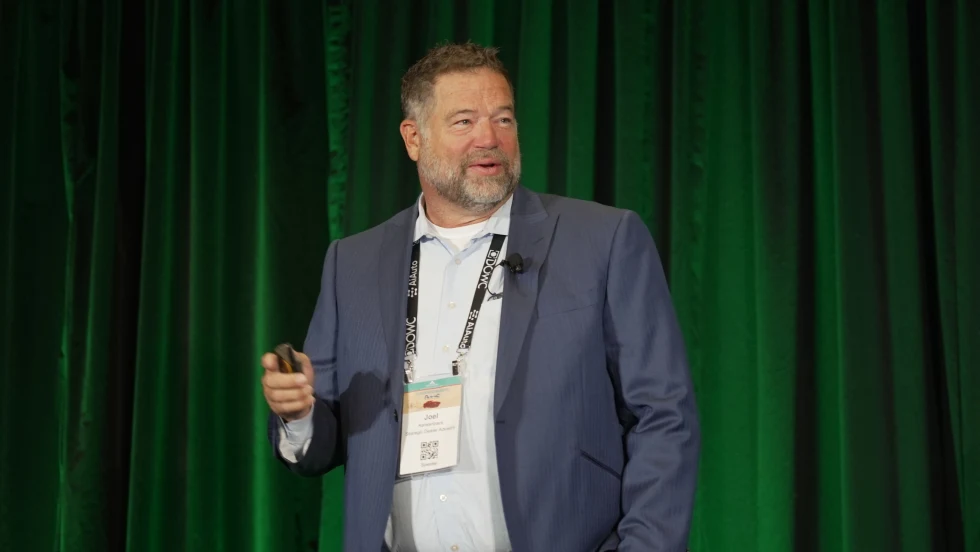
Get Ahead of the Change
A strong culture, among other things, will be a key differentiator for auto dealerships as the market speeds ahead to new heights, says industry veteran Joel Kansanback.
Read More →
F&I Without the Handoff
Get more familiar with what your dealer clients are really buying when they entrust you with finance-and-insurance.
Read More →
Affordability Shapes Auto Demand
Auto originations increased 1% in the first quarter, and electric vehicles are rebounding, according to TransUnion's latest credit report.
Read More →
The Evolution of Agency Development in Modern F&I
General agents have a different roadmap for success than their predecessors. It will pay for them to follow it in order to be true dealer partners.
Read More →
Four-Figure Loan Payments on the Rise
A LendingTree analysis found that location, age and credit score play a role in the rising amount of auto loan borrowers who make monthly payments of $1,000 or more.
Read More →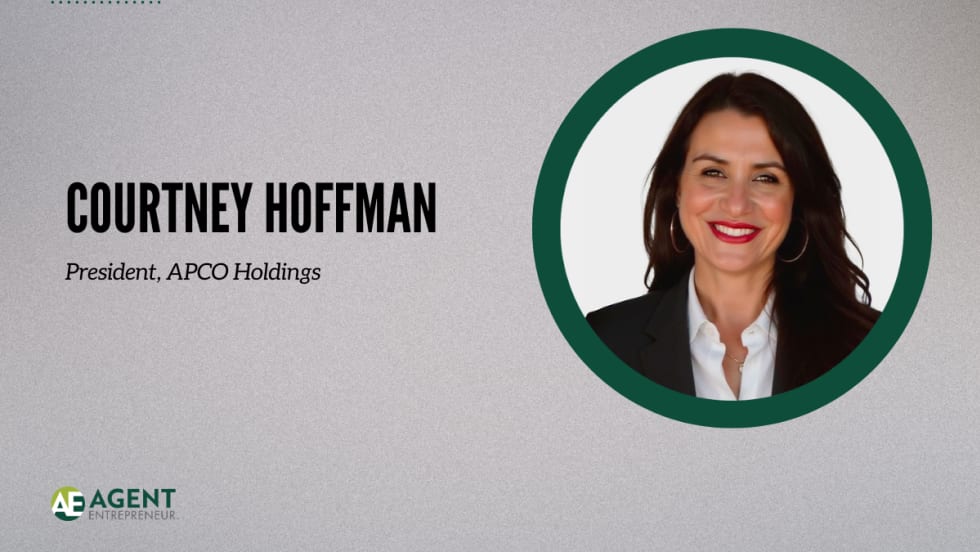
APCO Holdings Acquires Fidelity Dealer Services
The finance-and-insurance product provider says the addition strengthens EasyCare’s reach across key markets.
Read More →
Tariffs Could Raise Insurance Premiums
As U.S. import tariffs affect repair costs, consumers might find it more affordable to replace a damaged vehicle, according to recent Insurify tariff analysis.
Read More →
Smaller Loans, Longer Terms
The youngest generation of car buyers is more likely to finance less expensive vehicles, more than half of generation Z consumers borrowing less than $25,000.
Read More →
Ensure Your Clients Are Sure About Reinsurance
Industry experts recently broke down the complicated profit center at Agent Summit. Learn what’s relevant and what’s new to share with your dealers.
Read More →