



Volvo Crash Prevention System Receives High Marks From Insurance

Volvo vehicles equipped with the brand’s City Safety forward-collision avoidance system are far less likely to be involved in low-speed, rear-end collisions than vehicles lacking the system, according to a new study.
The findings were produced by the Highway Loss Data Institute, a research arm of the Insurance Institute for Highway Safety, both of which are financed by the insurance industry, reported The New York Times.
Volvo’s City Safety system is intended to help a driver avoid hitting a car, or lessen the severity of the collision, at speeds up to 19 miles per hour. It monitors the vehicle ahead using a laser sensor built into the windshield at the height of the rearview mirror. The vehicle automatically brakes if the driver does not respond in time when the leading car slows down or stops, or if the driver is driving too quickly toward a stationary object.
There were 27 percent fewer property damage liability claims for the Volvo XC60, which comes standard with City Safety, than for other midsize luxury sport utility vehicles; the study noted 2.2 insurance claims for property damage liability per 100 Volvo XC60s on the road, compared with three claims per 100 for the average midsize luxury S.U.V. Property damage liability insurance pays to repair damage to another vehicle when the driver who hits it is at fault.
Furthermore, those same claims were filed 19 percent less often for XC60s than for Volvos not equipped with City Safety. Volvo made the system a standard feature beginning with the 2010 model-year XC60. City Safety now appears on the base 2011 and 2012 S60 sedan, the 2012 S80 sedan and the 2012 XC70 wagon.
The 27 percent reduction is “a big effect,” said Adrian Lund, president of the insurance institute, in a telephone interview.
“In the highway safety field, if we get an effect that reduces crashes 10 to 15 percent, we think we are finding another magic bullet,” he said.
Equally important, Mr. Lund said, is the finding that claims for bodily injury liability, which indicate whiplash and back sprain, were reduced by half. The study found a decrease in collision claims as well, suggesting that City Safety may also prevent collisions with objects other than vehicles.
Although researchers were able to control for geographic and demographic factors, they were not able to control for driving behavior, meaning that XC60 owners could be relatively safer drivers, Mr. Lund said. Another possible explanation, he said, is the early adopter factor, meaning that consumers whose purchases are partly motivated by safety would be drawn to a vehicle with this technology.
“The pattern of results strongly indicates that City Safety is preventing low-speed crashes and reducing insurance costs,” he said. But will the system’s success result in lower insurance premiums for Volvo drivers?
“I think it will,” Mr. Lund said.
Some insurance companies offer discounts for City Safety in Europe, but none do in the United Sates, said Adam Kopstein, the Volvo manager for North American product safety. Now that some third-party data is available, however, Mr. Kopstein expected headway to be made. “We definitely feel there is an opportunity,” he said.
More Industry

Ohio Auto Group Under New Ownership
After 79 years with the Schluter family, Mansfield Auto Group has been acquired by Missouri-based Clement Auto Group.
Read More →
RV Group Expands Carolina Footprint
Blue Compass RV Columbia Northeast is the 13th RV dealership owned by Blue Compass in the Carolinas.
Read More →
Agent Acumen
An Agent Summit panel of people who’ve been supporting auto dealers for years gave both timely and timeless advice for those starting out or mulling the prospect.
Read More →
Missed Maintenance Creates Opportunity
As families get back on the road and into daily school routines, service drives have an opportunity to capture customers who are behind on recommended vehicle maintenance.
Read More →
Mitsubishi Unveils U.S. Plan
The automaker announced a strategy that includes an expanded lineup and dealership presence, along with more ‘rugged’ and electric models.
Read More →
Selling to Grow
The question of whether you should sell your agency and if so, when, is up to you. But it’s a question worth asking to ensure you keep the business on the right path for yourself, employees and clients.
Read More →
Recalled Vehicles Hit 5-Year High
Though the number of events has fallen so far this year, impacted units are up significantly. Meanwhile, regulators consider consumer notification changes.
Read More →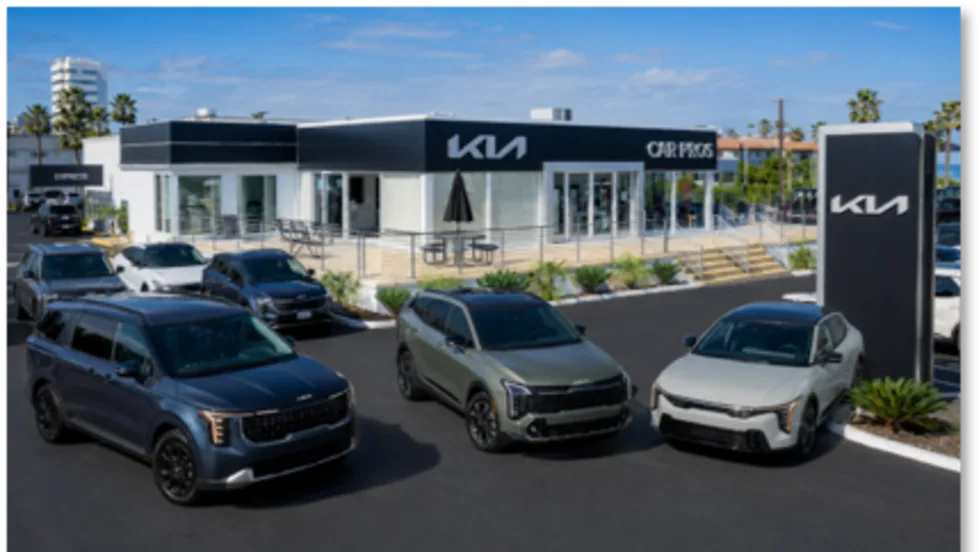
Auto Group Acquires Top-Performing Rooftop
Car Pros sold its Kia Huntington Beach location to Sutherlin Automotive Group, marking the buyer’s third location in Southern California.
Read More →
China as Pacesetter
Automotive leaders huddled on where North America stands in the global picture and how it can strengthen its position against the Asian juggernaut’s surging industry.
Read More →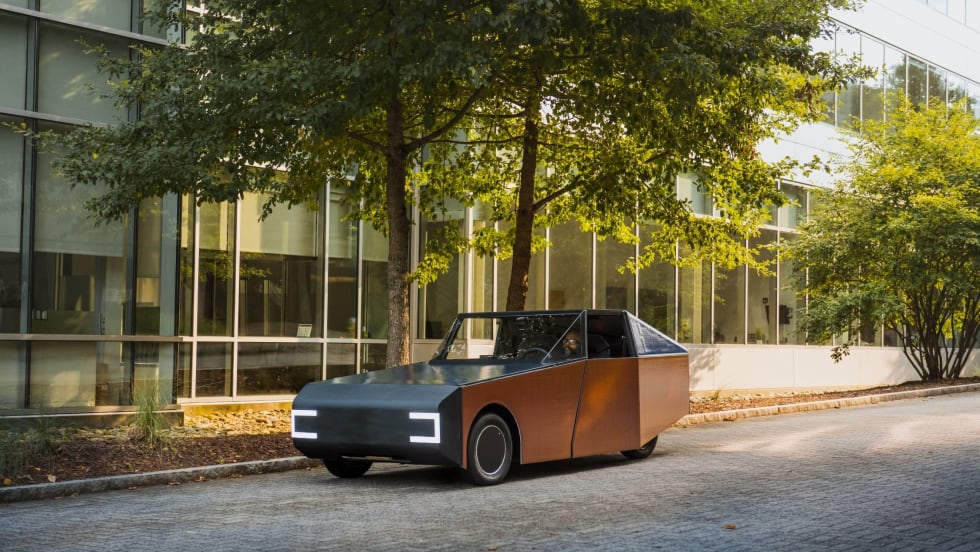
BMW Concept Car Makes Fuel to Burn
The prototype developed in concert with a South Carolina university engineering team generates more solar energy than it uses in a typical daily commute.
Read More →