



Toyota, Honda Have Best Supplier Relations in U.S.
For the fifth straight year, Toyota Motor Corp (7203.T) and Honda Motor Co (7267.T) topped a study of automakers with U.S. plants in supplier relations, helping them get the best parts at the lowest cost, reported Reuters. Toyota was the tops in supplier relations, followed closely by Honda. Ford Motor Co (F.N) was a distant third, followed by Nissan ... Read More »

For the fifth straight year, Toyota Motor Corp (7203.T) and Honda Motor Co (7267.T) topped a study of automakers with U.S. plants in supplier relations, helping them get the best parts at the lowest cost, reported Reuters.
Toyota was the tops in supplier relations, followed closely by Honda. Ford Motor Co (F.N) was a distant third, followed by Nissan Motor Co (7201.T). General Motors Co (GM.N) and Fiat Chrysler Automobiles NV (FCHA.MI) were tied for last place.
Those six are the largest automakers in the U.S. auto sales market and have the largest U.S. auto industry production footprints.
Lagging relations with suppliers means less profit, said the study’s author, John Henke, president of Planning Perspectives and a marketing professor at Oakland University near Detroit.
Toyota and Honda improved their scores by an average of 8.7 percent over the year, the study showed.
If the other four had improved their relations by as much they collectively would have added $2 billion in 2014 operating profit, Henke said.
GM would have earned another $750 million last year had its supplier relations improved 8.7 percent, the study found.
Suppliers have become more discerning about which companies they serve, said Henke, who has produced a study of relations of automakers and their Tier 1 suppliers for 15 years. A supplier will show its best new technology to the automaker that treats them best, he said.
Gone are the days when parts suppliers would build plants in order to take as much automaker business as they could get.
Suppliers “are not willing to put in the infrastructure to support all the business they could possibly get today because they don’t know what’s going to happen tomorrow,” said Henke.
The 2008-2009 recession “spooked” suppliers away from investing for work that has not been contracted yet, and the best of them became highly efficient, Henke said.
More Industry

Penske Auto Group Deal a Record
The deal to take the dealership and transportation services company private sets a new pace for industry buy-sell transactions.
Read More →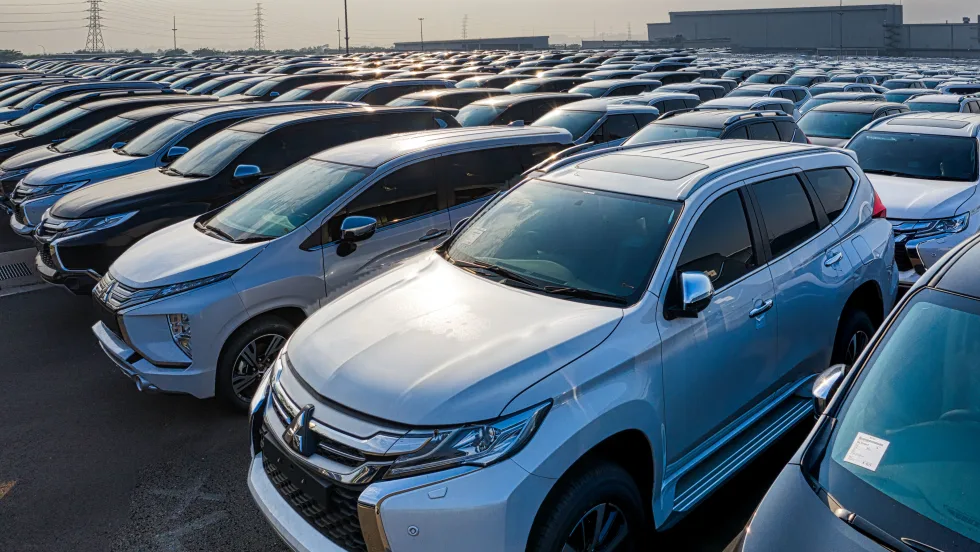
War Toll a Damper on Used Auto Prices
Cox Automotive found wholesale depreciation to be elevated in September amid high fuel prices and this year's unusual hurricane season.
Read More →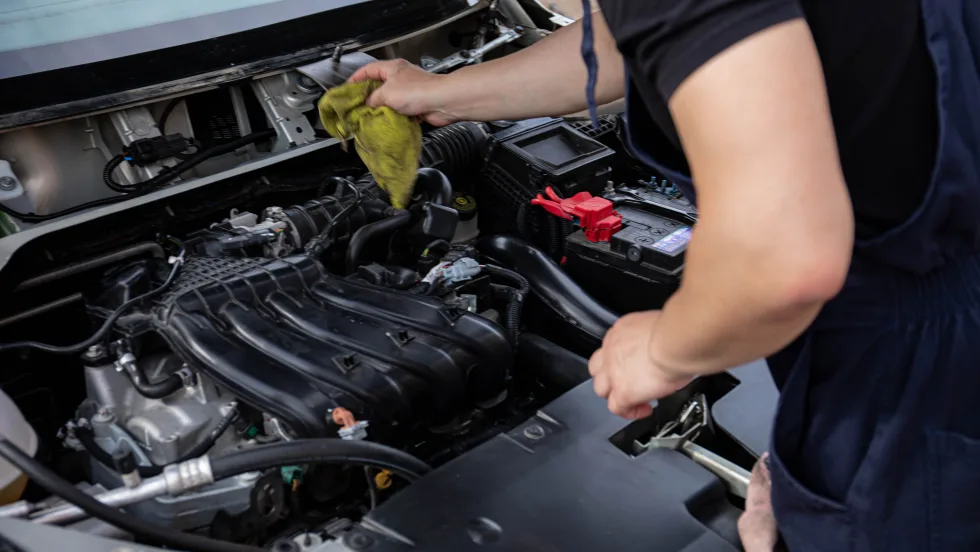
Bridge the Maintenance Gap
With many drivers missing recommended maintenance, service departments offering transparency and efficiency have a better chance of reaching financially strained consumers.
Read More →
California Store Has New Owner
The longtime dealership in the northern part of the state is known for robust fleet sales and has served the state capital for 115 years.
Read More →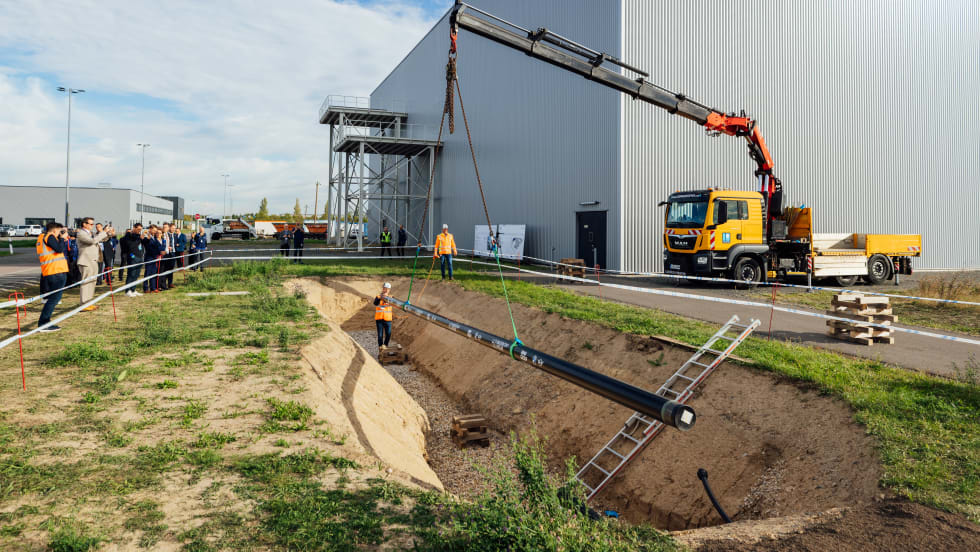
BMW Plant Pursues Cleaner Energy
BMW Group Plant Leipzig has utilized hydrogen to help power its production since 2013, but a new pipeline is planned to take it to another level.
Read More →
Auto Affordability Inches Up
The latest Cox Automotive and Moody’s Analytics index shows a slight increase in new-vehicle affordability despite high prices.
Read More →
Ohio Auto Group Under New Ownership
After 79 years with the Schluter family, Mansfield Auto Group has been acquired by Missouri-based Clement Auto Group.
Read More →
RV Group Expands Carolina Footprint
Blue Compass RV Columbia Northeast is the 13th RV dealership owned by Blue Compass in the Carolinas.
Read More →
Agent Acumen
An Agent Summit panel of people who’ve been supporting auto dealers for years gave both timely and timeless advice for those starting out or mulling the prospect.
Read More →
Missed Maintenance Creates Opportunity
As families get back on the road and into daily school routines, service drives have an opportunity to capture customers who are behind on recommended vehicle maintenance.
Read More →