



Hyundai to Focus on Luxury Models, SUVs and EVs
Hyundai Motor Co. will focus on luxury models, SUVs and electric vehicles (EVs) to achieve record-high earnings in 2022.

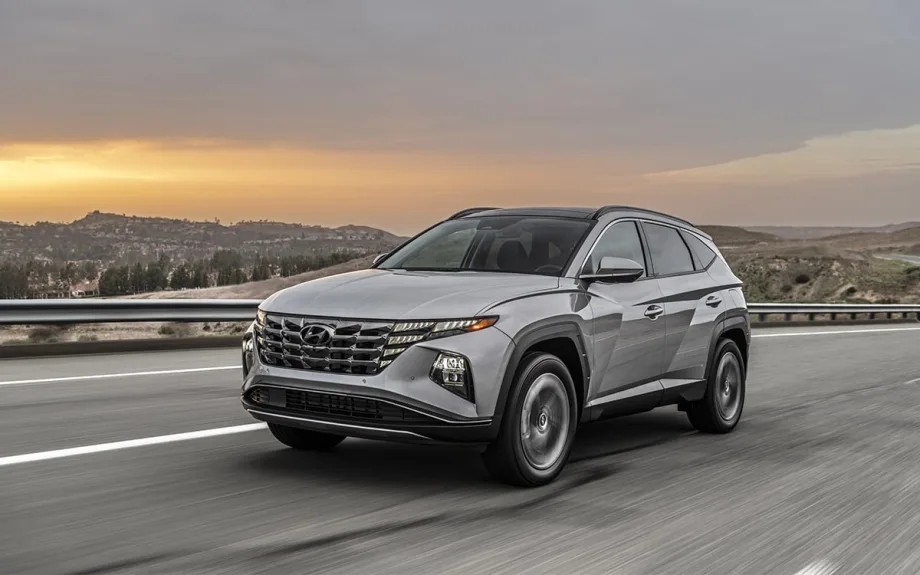
Hyundai Motor Co. will focus on luxury models, SUVs and electric vehicles (EVs) to achieve record-high earnings in 2022.
IMAGE: Hyundai
Hyundai Motor Co. will turn its focus to luxury models, SUVs and electric vehicles (EVs) to achieve record-high earnings this year, the automaker noted in its quarterly earnings report.
The South Korean automaker reported operating profit for the three months through September at $1.07 billion, below the 2.7 trillion won average estimate from analysts tracked by Bloomberg. Sales rose 31% from 2021 to 37.7 trillion won, up slightly from the 35.3 trillion won forecast.
Hyundai’s shares fell 3.3% to 3.8% with the news and are on track for their lowest close in more than two years.
Hyundai has trimmed the 2022 sales target to 4.01 million vehicles from 4.32 million, and also lowered its planned investment for the year to 8.9 trillion won from 9.2 trillion won.
Hyundai told investors it will focus on sales recovery through a plan that will “enhance its product mix with SUVs and luxury models.”
Hyundai’s third-quarter operating profit fell 3.4% from 2021, while net income dropped 5.1%. But, excluding provisions, operating profit topped 2.9 trillion won, the company reported.
Hyundai and affiliate Kia Corp. reported they would book a combined 2.9 trillion won as provisions in third-quarter earnings due to costs related to Theta engines. The automakers reported higher numbers of owners than expected demanded replacement engines during the pandemic versus buying new cars, which drove up warranty costs.
Hyundai is down about 22% overall this year.
EV sales remain a bright spot for the company, which reported EV sales rose more than 27% to about 52,000 units, accounting for 5.1% of overall sales volume, in the third quarter.
The automaker raised its EV sales target for 2023 by 40% to around 300,000 units, with the Ioniq 6 expected to comprise 20% of 2023 sales.
Hyundai also reported plans to invest in a joint venture to make batteries in the U.S.
Originally posted on Auto Dealer Today
More Industry

Penske Auto Group Deal a Record
The deal to take the dealership and transportation services company private sets a new pace for industry buy-sell transactions.
Read More →
War Toll a Damper on Used Auto Prices
Cox Automotive found wholesale depreciation to be elevated in September amid high fuel prices and this year's unusual hurricane season.
Read More →
Bridge the Maintenance Gap
With many drivers missing recommended maintenance, service departments offering transparency and efficiency have a better chance of reaching financially strained consumers.
Read More →
California Store Has New Owner
The longtime dealership in the northern part of the state is known for robust fleet sales and has served the state capital for 115 years.
Read More →
BMW Plant Pursues Cleaner Energy
BMW Group Plant Leipzig has utilized hydrogen to help power its production since 2013, but a new pipeline is planned to take it to another level.
Read More →
Auto Affordability Inches Up
The latest Cox Automotive and Moody’s Analytics index shows a slight increase in new-vehicle affordability despite high prices.
Read More →
Ohio Auto Group Under New Ownership
After 79 years with the Schluter family, Mansfield Auto Group has been acquired by Missouri-based Clement Auto Group.
Read More →
RV Group Expands Carolina Footprint
Blue Compass RV Columbia Northeast is the 13th RV dealership owned by Blue Compass in the Carolinas.
Read More →
Agent Acumen
An Agent Summit panel of people who’ve been supporting auto dealers for years gave both timely and timeless advice for those starting out or mulling the prospect.
Read More →
Missed Maintenance Creates Opportunity
As families get back on the road and into daily school routines, service drives have an opportunity to capture customers who are behind on recommended vehicle maintenance.
Read More →