



GM, Toyota Raise Incentives, Boosting Sales

General Motors Co. and Toyota Motor Corp. boosted incentives for U.S. customers in January, helping them to two of the biggest sales gains in the industry.
GM increased spending on marketing promotions by $498, or 16 percent, to an estimated $3,663 per sold vehicle, according to researcher Autodata Corp.
Toyota, which halted deliveries a year earlier due to a recall, raised spending 24 percent to an estimated $1,962 a sale, The Detroit News reported.
While discounts such as rebates or below-market interest rates on loans can increase sales volumes and market share, they also reduce average sale prices and can decrease profits.
The incentives offered by Toyota and Detroit-based GM helped the companies match or outpace the industry's 17 percent gain in sales volume in January.
"As more buyers enter the market, the trick is going to be keeping transaction prices up because that's been profitable for the industry," said Alan Baum, an analyst at industry consultant Baum & Associates in West Bloomfield.
"GM's got to realize that's their goal."
Auto incentive spending throughout the U.S. industry in January rose less than 2 percent to $2,579 per vehicle, according to Woodcliff Lake, New Jersey-based Autodata.
Chrysler Group LLC's average was $3,414, a decrease of 1.3 percent from a year earlier.
Ford Motor Co. reduced average incentive spending 11 percent to $2,407.
Industrywide light-vehicle sales ran at a seasonally adjusted annual rate of 12.6 million in January, exceeding analysts' estimates and matching the market's fastest pace in 17 months.
GM's sales rose 22.7 percent last month while Toyota had a 17 percent gain in January.
By increasing use of incentives, GM and Toyota City, Japan-based Toyota risk starting a price war that would hurt profits, Brian Johnson, an analyst at New York-based Barclays Capital, wrote Wednesday in a research note. They are already facing higher commodity costs.
"GM's use of targeted incentives may mark, in our view, a dangerous first salvo in a heretofore quiet pricing front," Johnson wrote in a note titled "Is this how price wars start?"
Nissan Motor Co., Japan's second-largest automaker, reduced U.S. incentives 16 percent to $2,510, while Honda Motor Co., the third-largest Japanese car company, boosted discounts 41 percent to $2,016.
Chrysler's sales were up 22.7 percent in January, and Ford sales were up 13.2 percent.
Hyundai sales spiked 22 percent; Nissan's were up 14.8 percent; and Honda sales climbed 13.2 percent in January compared to the same month in 2010.
More Industry

Penske Auto Group Deal a Record
The deal to take the dealership and transportation services company private sets a new pace for industry buy-sell transactions.
Read More →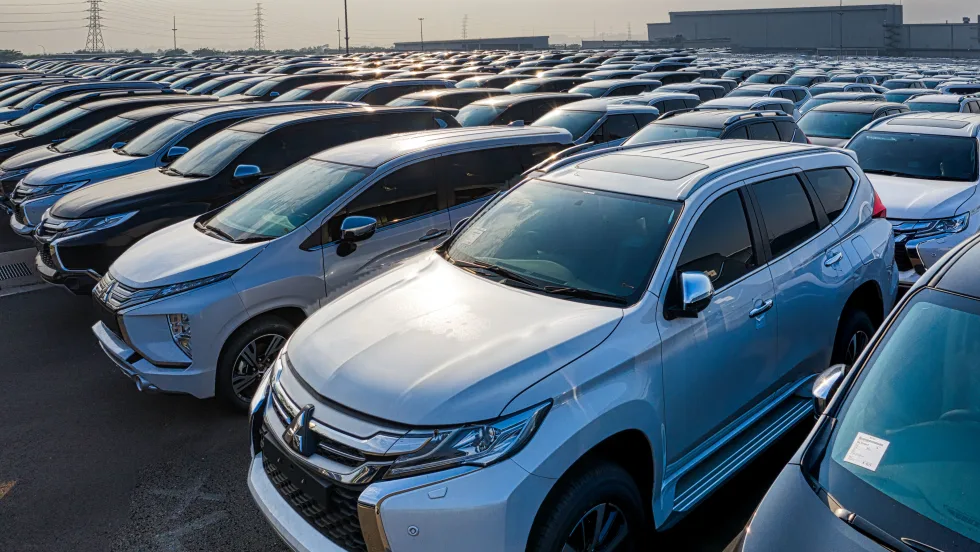
War Toll a Damper on Used Auto Prices
Cox Automotive found wholesale depreciation to be elevated in September amid high fuel prices and this year's unusual hurricane season.
Read More →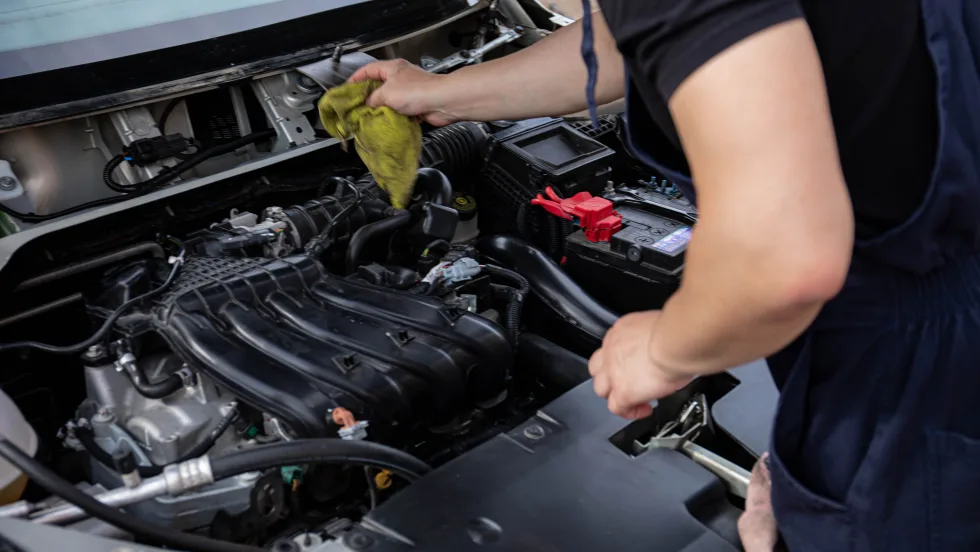
Bridge the Maintenance Gap
With many drivers missing recommended maintenance, service departments offering transparency and efficiency have a better chance of reaching financially strained consumers.
Read More →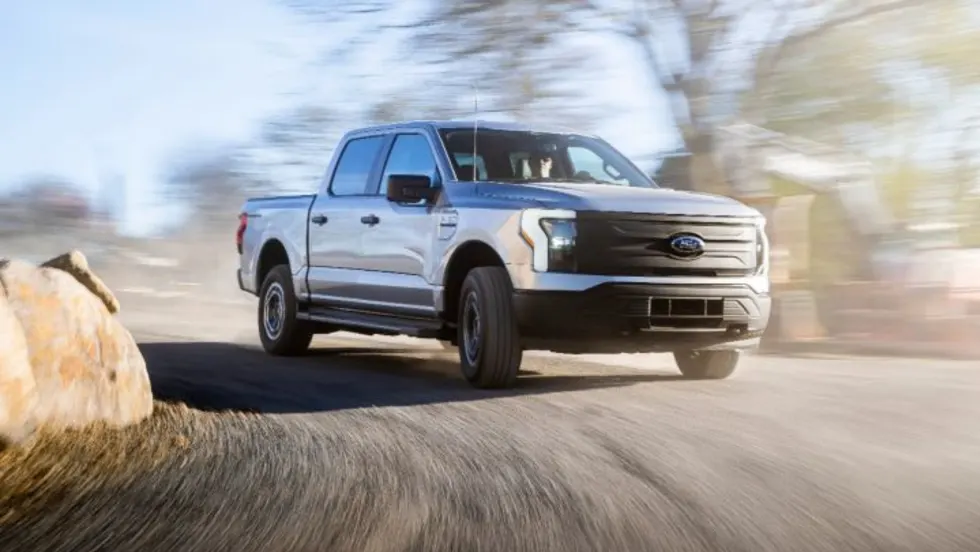
California Store Has New Owner
The longtime dealership in the northern part of the state is known for robust fleet sales and has served the state capital for 115 years.
Read More →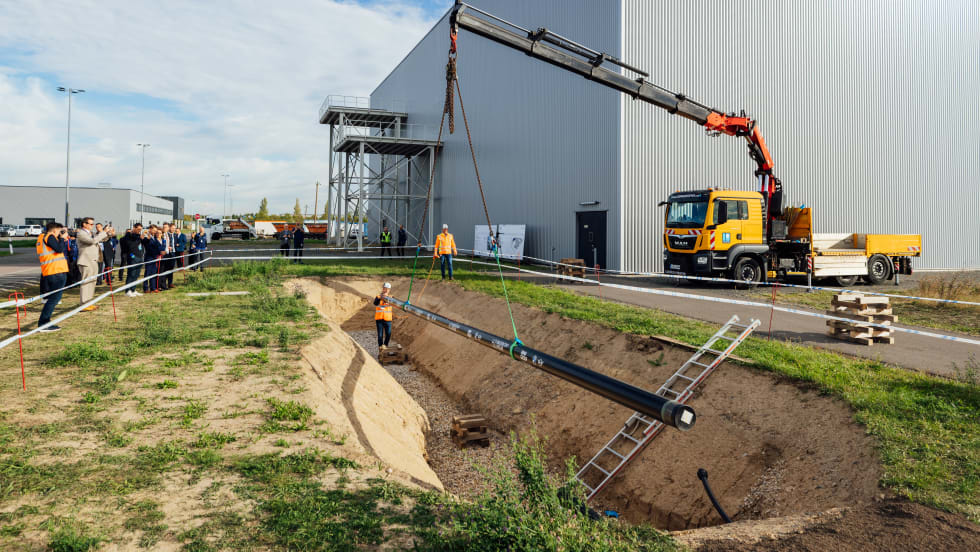
BMW Plant Pursues Cleaner Energy
BMW Group Plant Leipzig has utilized hydrogen to help power its production since 2013, but a new pipeline is planned to take it to another level.
Read More →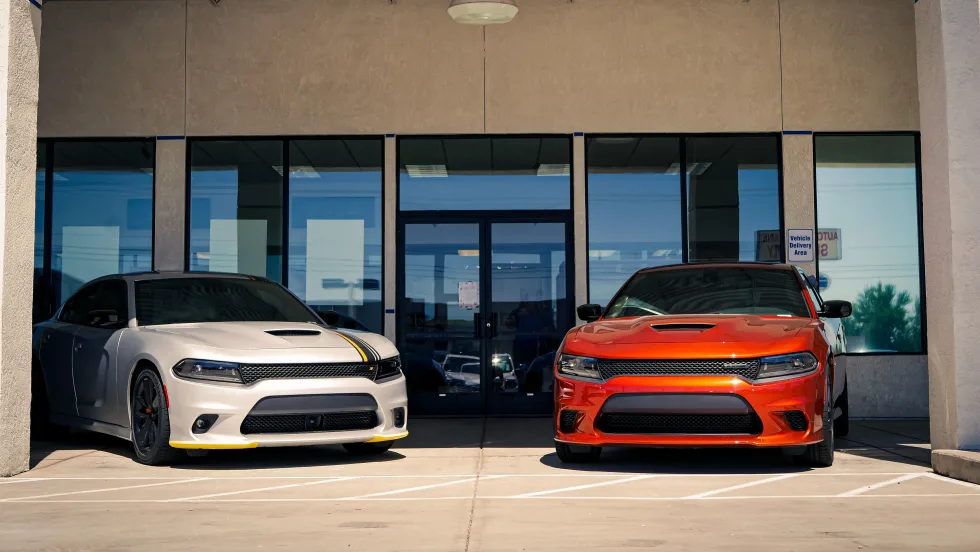
Auto Affordability Inches Up
The latest Cox Automotive and Moody’s Analytics index shows a slight increase in new-vehicle affordability despite high prices.
Read More →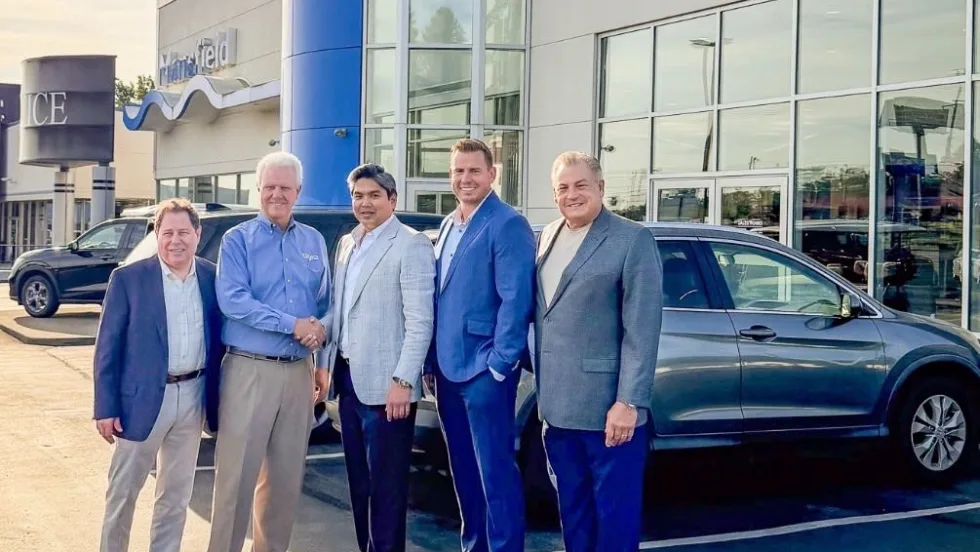
Ohio Auto Group Under New Ownership
After 79 years with the Schluter family, Mansfield Auto Group has been acquired by Missouri-based Clement Auto Group.
Read More →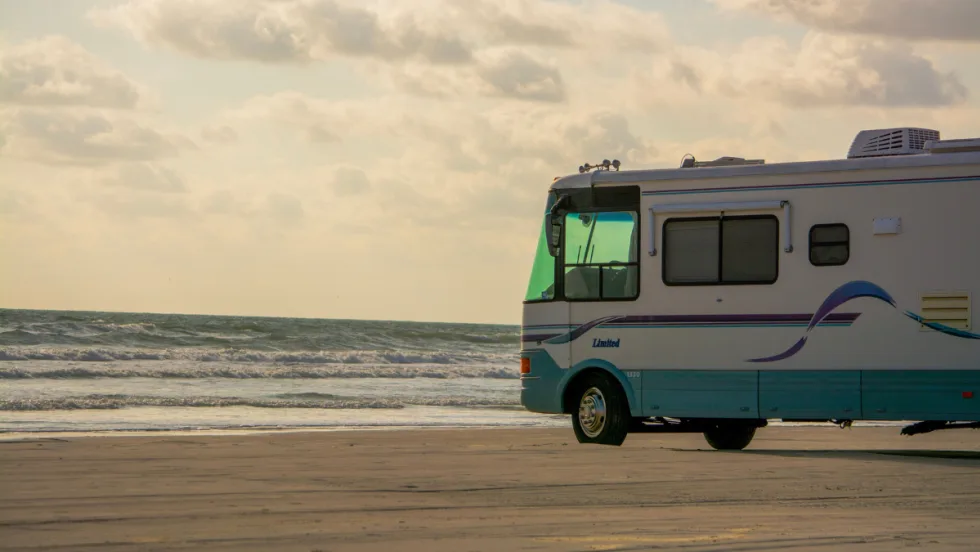
RV Group Expands Carolina Footprint
Blue Compass RV Columbia Northeast is the 13th RV dealership owned by Blue Compass in the Carolinas.
Read More →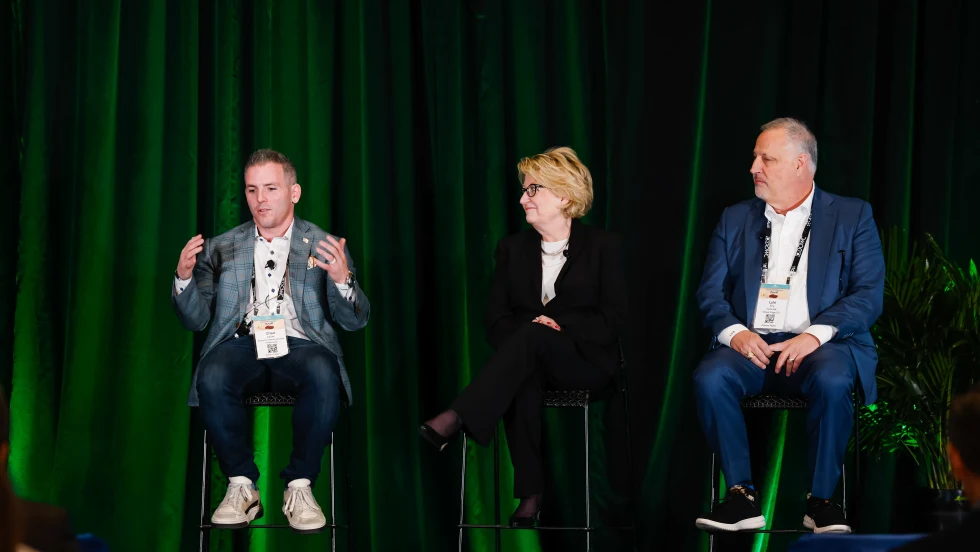
Agent Acumen
An Agent Summit panel of people who’ve been supporting auto dealers for years gave both timely and timeless advice for those starting out or mulling the prospect.
Read More →
Missed Maintenance Creates Opportunity
As families get back on the road and into daily school routines, service drives have an opportunity to capture customers who are behind on recommended vehicle maintenance.
Read More →