



Ford: Moving Quickly On Investment Grade Goals

Ford Motor Co could reach its target of an investment grade credit rating more quickly than some outside observers might have thought, Executive Chairman Bill Ford said on Tuesday.
The automaker, which expects a solid profit in 2010 and also to build on that profit in 2011, this year has sharply cut a heavy debt load it built to support a restructuring that has included a focus on its car lineup, reported Reuters.
Ford said executives realized from the start it was important once the company had regained its footing to reach investment grade metrics and rebuild its balance sheet.
"We are doing that and we are doing that much quicker than most people thought we could," Ford told reporters during an event at the automaker's Michigan Assembly Plant.
Ford has reported profits in six consecutive quarters as the U.S. auto industry has started a gradual sales recovery from its worst downturn in decades. As a result of its turnaround, the automaker has been able to cut debt more quickly than outside observers would have expected, Ford said.
It expects continuous improvement in its goal to return to investment grade from 2010, Ford said.
"We are along this continuum over the next few years shooting for that," Ford said of investment grade. "It's looking more realistic sooner rather than later."
Ford borrowed more than $23 billion in late 2006 to support the restructuring. It avoided the bankruptcies that hit General Motors Co and Chrysler last year, but has a much higher debt load than its rivals as a result.
Through a series of moves that have included note offerings and cash payments, the automaker has reduced the debt in its automotive operations by about $12.8 billion in 2010, cutting its annual interest expenses by $1 billion.
The automaker has no plans at this point for an equity offering to reduce debt, and expects over the longer term to consider reinstating the dividend, Ford said.
"Obviously that is something, once our balance sheet gets cleaned up, that we will be looking at," Ford said of the dividend that was eliminated in 2006.
The priority has been getting back to investment grade and getting the balance sheet in order, Ford said.
More Industry
Nebraska Rooftop Changes Hands
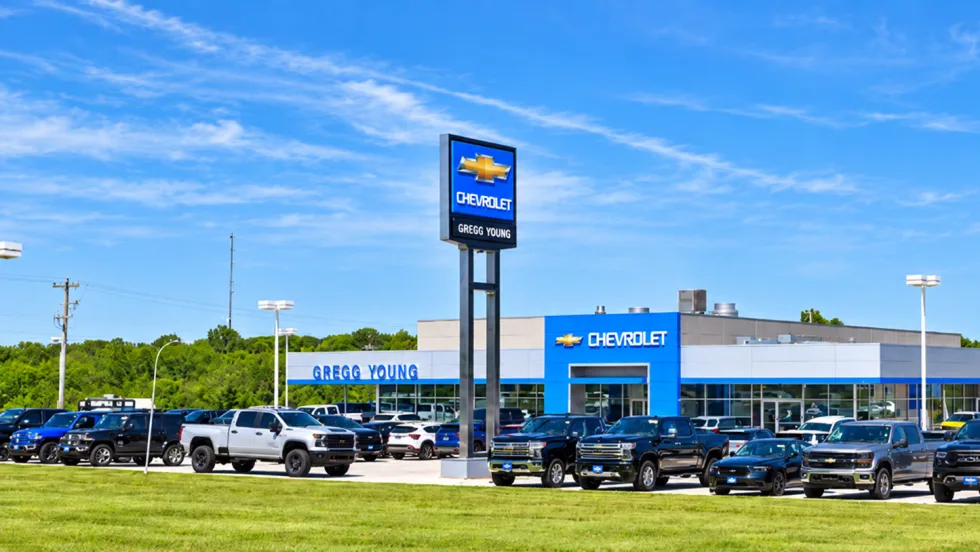
The Gregg Young Automotive Group has sold its second dealership to Janssen Auto Group, both in Plattsmouth, Neb.
Read More →
Penske Auto Group Deal a Record
The deal to take the dealership and transportation services company private sets a new pace for industry buy-sell transactions.
Read More →
War Toll a Damper on Used Auto Prices
Cox Automotive found wholesale depreciation to be elevated in September amid high fuel prices and this year's unusual hurricane season.
Read More →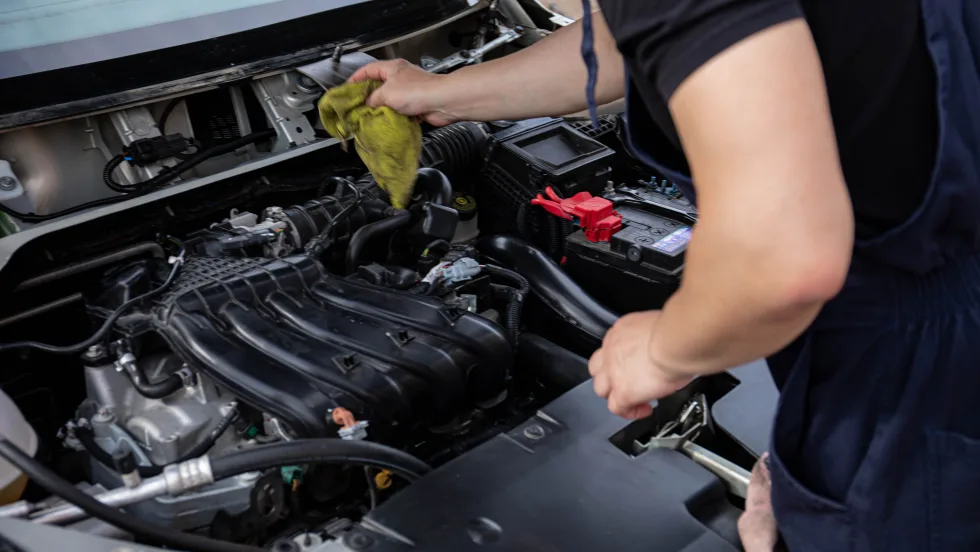
Bridge the Maintenance Gap
With many drivers missing recommended maintenance, service departments offering transparency and efficiency have a better chance of reaching financially strained consumers.
Read More →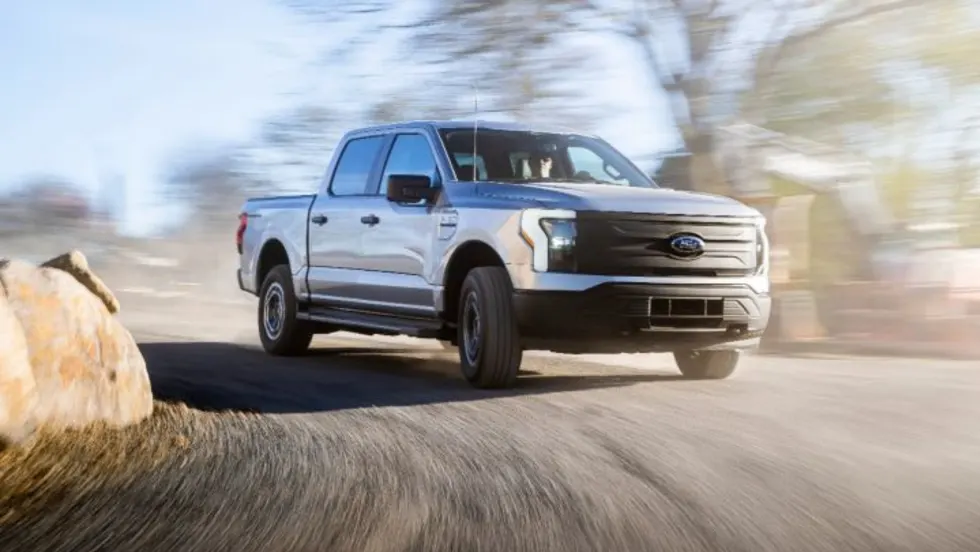
California Store Has New Owner
The longtime dealership in the northern part of the state is known for robust fleet sales and has served the state capital for 115 years.
Read More →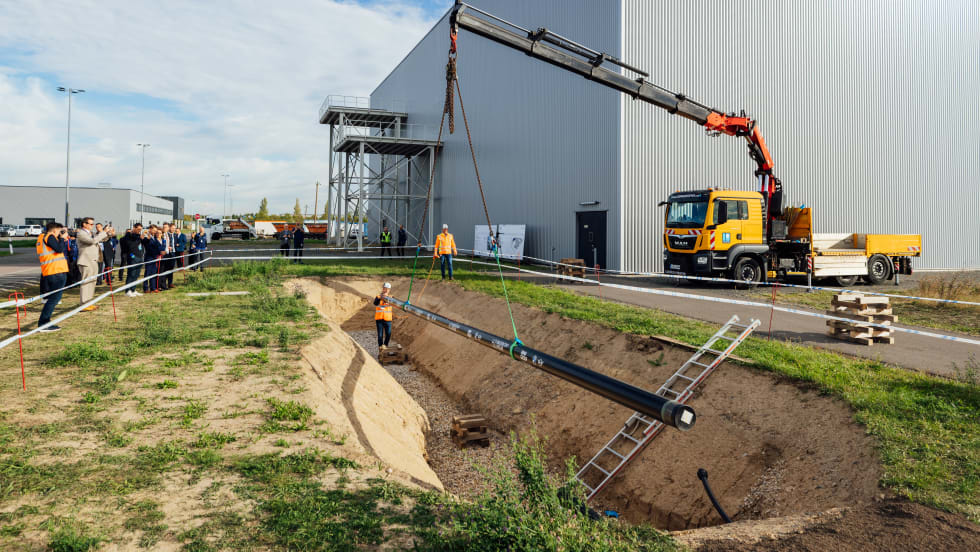
BMW Plant Pursues Cleaner Energy
BMW Group Plant Leipzig has utilized hydrogen to help power its production since 2013, but a new pipeline is planned to take it to another level.
Read More →
Auto Affordability Inches Up
The latest Cox Automotive and Moody’s Analytics index shows a slight increase in new-vehicle affordability despite high prices.
Read More →
Ohio Auto Group Under New Ownership
After 79 years with the Schluter family, Mansfield Auto Group has been acquired by Missouri-based Clement Auto Group.
Read More →
RV Group Expands Carolina Footprint
Blue Compass RV Columbia Northeast is the 13th RV dealership owned by Blue Compass in the Carolinas.
Read More →
Agent Acumen
An Agent Summit panel of people who’ve been supporting auto dealers for years gave both timely and timeless advice for those starting out or mulling the prospect.
Read More →