



Electric-Drive Vehicle Demand Recharged by Gas Prices

Just when it looked like electric cars were running out of juice, the return of $4 a gallon gasoline is generating new life for battery-powered vehicles.
Electric-drive vehicles, including hybrids, plug-in models and pure battery-powered cars, were the fastest-growing segment in the U.S. auto market in the first quarter, according to data compiled by Bloomberg. Sales of those models rose 49 percent to 117,182 vehicles in the first quarter, from 78,527 a year earlier before Japan’s earthquake and tsunami pinched output.
Electric cars and hybrids are surging in tandem with gasoline prices, which averaged $3.93 a gallon on April 3, approaching the July 2008 peak of $4.11, according to AAA. Toyota Motor Corp.’s Prius hybrid and General Motors Co.’s Chevrolet Volt plug-in hybrid electric car each had record sales in March. Nissan Motor Co. Chief Executive Officer Carlos Ghosn repeated he’s “bullish” that pure electric cars will capture 10 percent of the market by 2020.
“There are a lot of concerns today that the electric car is going to solve,” Ghosn said yesterday in an interview at the New York auto show. “People don’t want to have to go to the gasoline station. They just want to fill their tank at home. They want to make sure they’re not paying too much money for their gasoline bill every month.”
Sales of the Nissan Leaf electric car will take off in August when Nissan begins producing it in the U.S., boosting output and possibly lowering prices, Ghosn said.
Ghosn’s view of one in 10 cars being electric by 2020 isn’t widely shared. LMC Automotive predicts 2 percent of cars in the U.S. will be electric by 2020. Add in gasoline-electric hybrids and plug-ins and the Troy, Michigan-based researcher’s forecast rises to 9.2 percent.
Ghosn’s forecast is “is way too optimistic,” said Mike Omotoso, LMC’s senior manager for powertrain forecasting. “Ten percent share for hybrids is achievable, but not for EVs. They will still be too expensive to become a mass-market product within the next 10 years.”
GM had halted Volt production for five weeks because of sluggish sales following a federal investigation into fires in the car’s battery, which resulted in the vehicle getting a clean bill of health. At a congressional hearing about the probe, Chief Executive Officer Dan Akerson said the car was being used as a “political punching bag.”
Rising sales last month spurred GM to restart Volt production one week earlier than planned. GM sold 2,289 Volts in March, a record monthly total for the car. The previous high was 1,529 deliveries in December.
“We’re adding a week back and that’s all you need to know,” Mark Reuss, GM’s North American chief, said yesterday in New York, showing a flash of anger over a car that has become a lightning rod for critics of government bailouts, including GM’s, in 2009. “We’re doing it because we sold a lot.”
Production will resume April 16, Chris Lee, a GM spokesman, said in an e-mail.
Separately, Akerson said in a Bloomberg Radio interview to be broadcast in May that he wants to raise monthly Volt sales to 3,000 or more in the coming months.
Electric cars and battery makers have suffered high-profile power failures. Fisker Automotive Inc.’s $103,000 Karma sports sedan shut down in a test by Consumer Reports magazine. A123 Systems Inc. is recalling the electric car batteries it made for Fisker and other automakers.
Mitt Romney, leading in the race for the Republican presidential nomination, calls the Obama administration’s loans to startups such as Fisker, “crony capitalism.”
Last year, consumers turned away from battery-powered cars as automakers improved the efficiency of gasoline-fueled internal combustion engines and supplies of electrified vehicles were limited by natural disasters in Asia.
Hybrids fell to 2.2 percent of the U.S. market last year, down from 2.4 percent in 2010, after peaking at 2.8 percent in 2009, LMC says. Electrified vehicles secured 3.4 percent of the U.S. light-vehicle market in this year’s first quarter, up from 2.6 percent a year earlier, according to data compiled by Bloomberg.
With rising prices at the pump, consumers are beginning to see value in paying as much as $5,000 extra for a hybrid, automakers say.
“Hybrid interest is peaking and it correlates very well to gas prices,” John Krafcik, chief executive officer of the North American unit of Hyundai Motor Co., said in an interview yesterday. “Our Sonata hybrid sales are fantastic.”
As much as 30 percent of Sonata sedans Hyundai is building are equipped with gasoline-electric hybrid systems, Krafcik said.
The market for all-electric vehicles such as the $35,200 Leaf and plug-in hybrids like the $39,145 Volt will remain “tough,” Krafcik said. Such vehicles also are a less- attractive option for people who live in urban areas, with limited access to garages where they can recharge their cars at night, he said.
Higher gasoline prices have provided a lift to Honda Motor Co.’s Civic hybrid sales, which more than doubled last month and are up 29 percent for the year, said Tetsuo Iwamura, head of the automaker’s North American operations.
Consumers are not ready to embrace all-electric vehicles because of concerns about how long the battery will last and how far the car can go before recharging for hours, Iwamura said.
“Electric vehicles, do we really have a market for that?” Iwamura said yesterday in an interview. “I’m not quite sure the future of battery vehicle. I’m not so clear as Mr. Ghosn.”
Nissan’s Ghosn says his company’s tests show the batteries will outlast the electric cars they’re in and he contends concerns about recharging and plug-in infrastructure are being resolved.
“This is the car of the future,” Ghosn said.
More Industry
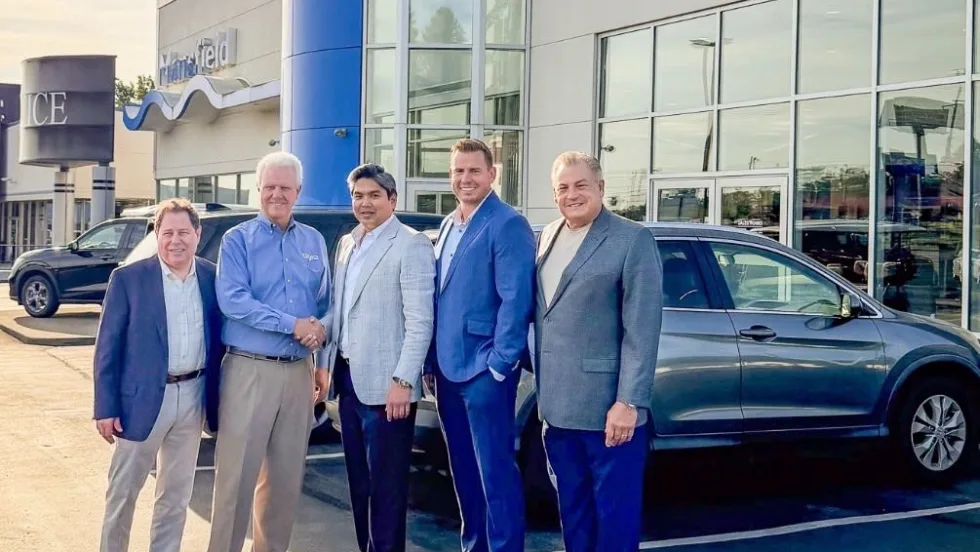
Ohio Auto Group Under New Ownership
After 79 years with the Schluter family, Mansfield Auto Group has been acquired by Missouri-based Clement Auto Group.
Read More →
RV Group Expands Carolina Footprint
Blue Compass RV Columbia Northeast is the 13th RV dealership owned by Blue Compass in the Carolinas.
Read More →
Agent Acumen
An Agent Summit panel of people who’ve been supporting auto dealers for years gave both timely and timeless advice for those starting out or mulling the prospect.
Read More →
Missed Maintenance Creates Opportunity
As families get back on the road and into daily school routines, service drives have an opportunity to capture customers who are behind on recommended vehicle maintenance.
Read More →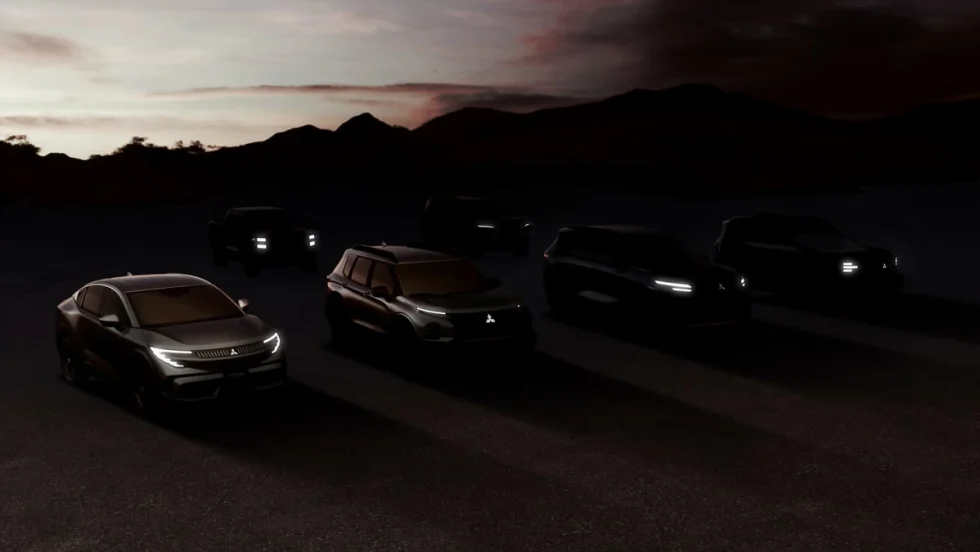
Mitsubishi Unveils U.S. Plan
The automaker announced a strategy that includes an expanded lineup and dealership presence, along with more ‘rugged’ and electric models.
Read More →
Selling to Grow
The question of whether you should sell your agency and if so, when, is up to you. But it’s a question worth asking to ensure you keep the business on the right path for yourself, employees and clients.
Read More →
Recalled Vehicles Hit 5-Year High
Though the number of events has fallen so far this year, impacted units are up significantly. Meanwhile, regulators consider consumer notification changes.
Read More →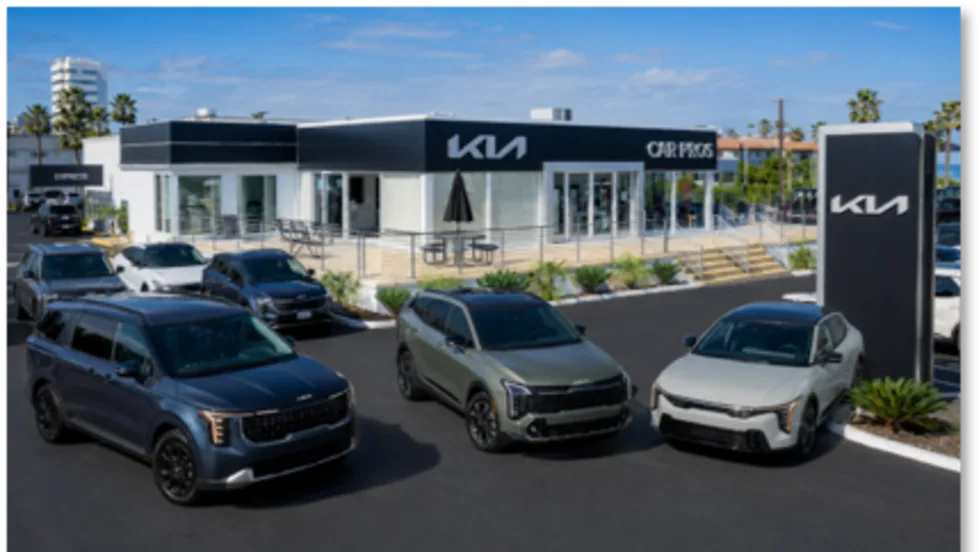
Auto Group Acquires Top-Performing Rooftop
Car Pros sold its Kia Huntington Beach location to Sutherlin Automotive Group, marking the buyer’s third location in Southern California.
Read More →
China as Pacesetter
Automotive leaders huddled on where North America stands in the global picture and how it can strengthen its position against the Asian juggernaut’s surging industry.
Read More →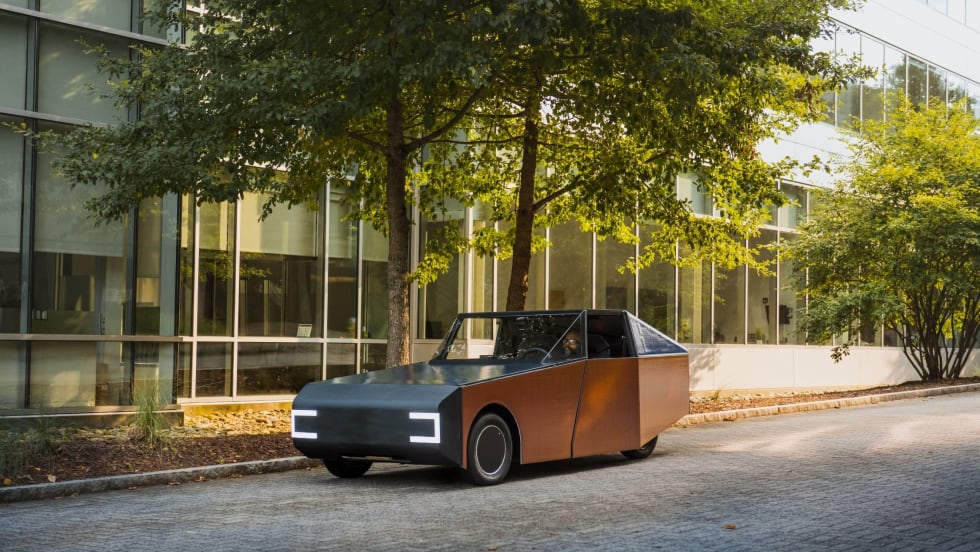
BMW Concept Car Makes Fuel to Burn
The prototype developed in concert with a South Carolina university engineering team generates more solar energy than it uses in a typical daily commute.
Read More →