



CFPB Accused of Using ‘Junk Science’ to Regulate Auto Lending

WASHINGTON, D.C. — The Consumer Financial Protection Bureau (CFPB)’s Richard Cordray was met with hostility Tuesday as House Financial Services Committee Chairman Jeb Hensarling (R-Texas) attacked the “junk science” he said the bureau is using to impose regulations on indirect auto lending. The hearing occurred a day before the committee passed two bills aimed at reforming the bureau.
The CFPB has been pressuring auto lenders — most recently Fifth Third Bank — to cap the amount their dealer partners can mark up the interest rate on retail installment sales contracts as compensation for arranging a car buyer’s financing. The bureau alleges such practices result in minority car buyers paying higher rates for auto loans. But during the CFPB’s semi-annual report to Congress Tuesday, lawmakers repeatedly pointed to studies that show the CFPB’s method of determining the presence of discrimination in auto lending has high error rates.
Earlier this month, American Banker reported that internal CFPB documents acquired by the news source — including a memo from assistant director of the bureau’s Office of Fair Lending, Patrice Ficklin — indicate that bureau officials are aware that the agency’s methodology overestimates disparities.
“I believe I am roughly familiar with various memos I have seen,” Cordray said when asked about Ficklin’s memo during Tuesday’s hearing.
The director went on to say that “‘Accurate’ is in the eye of the beholder,” and that the regulator is working to find the most reliable method possible. Those methods, however, do not include taking the creditworthiness of car buyers into account.
“I don’t think it’s fair to say that credit scores can explain the disparities,” Cordray told Rep. Hensarling.
In its joint enforcement action with the Department of Justice Monday, the CFPB claimed that Fifth Third Bank’s dealer markup policy resulted in African American and Hispanic car buyers paying, on average, $200 more for car loans than similarly situated Caucasian customers.
“The CFPB have done some good things, but this business with the auto dealers is a bad thing,” said Rep. David Scott (D-Ga.) at Tuesday’s hearing. “… You based that on a report that was shamefully flawed, it was inaccurate, and to tell you the truth, it was downright insulting to African Americans because you just assumed our last name was Johnson or Williams or Robinson or maybe even Scott.”
The hearing preceded the House Financial Services Committee’s approval of two bills, H.R. 957 and H.R. 1266, that aim to restructure the CFPB to provide more transparency and oversight.
Sponsored by Rep. Steve Stivers (R-Ohio), H.R. 957 would create an independent inspector general for the bureau. That individual would be nominated by the president and confirmed by the senate. It passed the committee by a 56-3 vote.
H.R. 1266, which the committee passed by slimmer 35-24 vote, would remove the CFPB from within the Federal Reserve System and reestablish it as a standalone agency governed by a five-member, bipartisan commission. All powers of the CFPB would remain unchanged.
“Consumers are understandably concerned about our economy. We remain stuck in the worst recovery of the last 70 years,” said Hensarling after the committee’s approval of both bills. “At the same time, they’re concerned that Washington is taking away their choices and raising many of their costs. Our committee has the privilege — and responsibility — to fight for them.”
Testifying before the House Financial Service Committee, Cordray offered auto finance data countering the belief that the bureau's activities have stunted market growth. In the first half of 2015, he noted, more than 14 million consumers obtained new auto loans, an 8% increase from a year ago.
“For auto loans, this marks a 45% increase since 2011 (when the bureau began operations) and a nine-year high,” he noted, with Rep. Maxine Water backing the bureau’s work during her opening statements at the hearing.
“It is unfortunate, however, that rather than working to encourage good behavior in our markets and support American consumers, opponents on this committee continue to promote measures to eliminate or weaken the bureau,” the lawmaker said. “They perpetuated false narratives of an agency that is unaccountable and lacks transparency despite the record number of times [Cordray has made himself] available to Congress and the many checks and balances contained in Dodd-Frank.
“So what we’re seeing now that the CPFB has celebrated its fourth birthday is that the dire predictions that the Republicans on this committee have made have not come true.”
More Industry
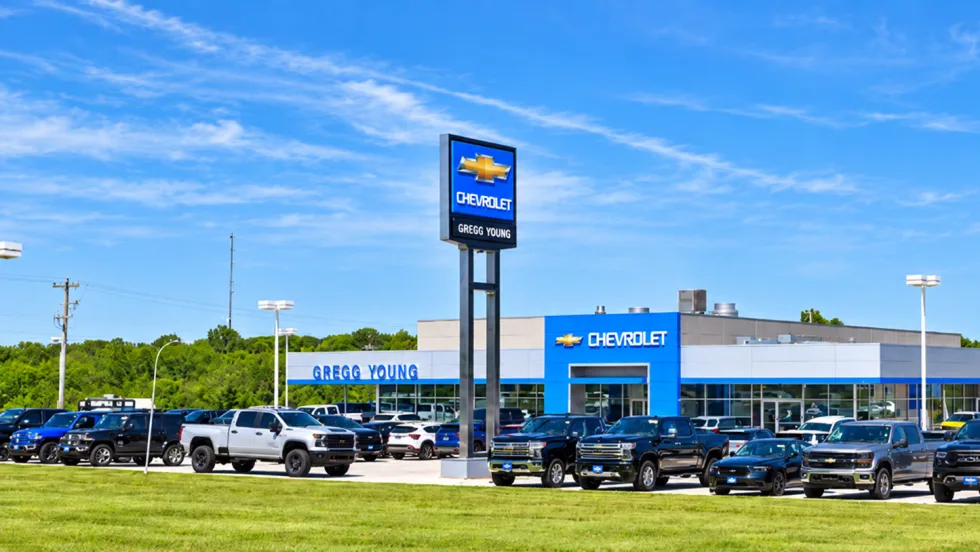
Nebraska Rooftop Changes Hands
The Gregg Young Automotive Group has sold its second dealership to Janssen Auto Group, both in Plattsmouth, Neb.
Read More →
Penske Auto Group Deal a Record
The deal to take the dealership and transportation services company private sets a new pace for industry buy-sell transactions.
Read More →
War Toll a Damper on Used Auto Prices
Cox Automotive found wholesale depreciation to be elevated in September amid high fuel prices and this year's unusual hurricane season.
Read More →
Bridge the Maintenance Gap
With many drivers missing recommended maintenance, service departments offering transparency and efficiency have a better chance of reaching financially strained consumers.
Read More →
California Store Has New Owner
The longtime dealership in the northern part of the state is known for robust fleet sales and has served the state capital for 115 years.
Read More →
BMW Plant Pursues Cleaner Energy
BMW Group Plant Leipzig has utilized hydrogen to help power its production since 2013, but a new pipeline is planned to take it to another level.
Read More →
Auto Affordability Inches Up
The latest Cox Automotive and Moody’s Analytics index shows a slight increase in new-vehicle affordability despite high prices.
Read More →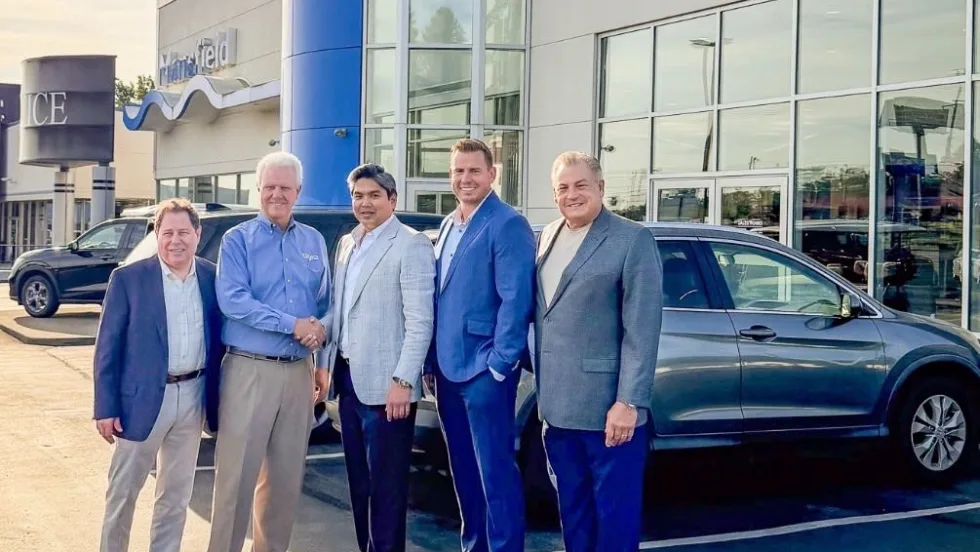
Ohio Auto Group Under New Ownership
After 79 years with the Schluter family, Mansfield Auto Group has been acquired by Missouri-based Clement Auto Group.
Read More →
RV Group Expands Carolina Footprint
Blue Compass RV Columbia Northeast is the 13th RV dealership owned by Blue Compass in the Carolinas.
Read More →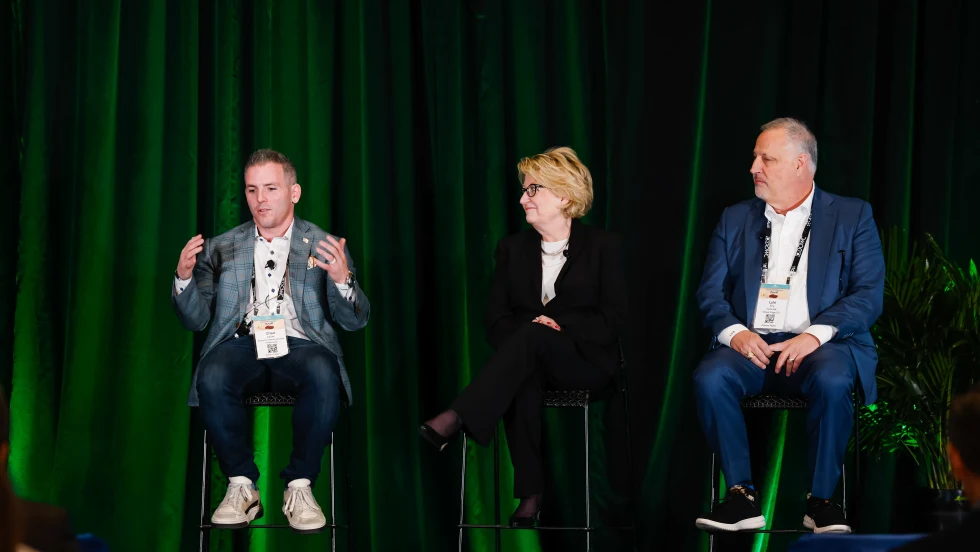
Agent Acumen
An Agent Summit panel of people who’ve been supporting auto dealers for years gave both timely and timeless advice for those starting out or mulling the prospect.
Read More →