



Auto Loan Fraud Exceeds Other Types
Study shows risk significantly elevated, especially among lower-risk credit tiers


Synthetic fraud continues to factor heavily in loan fraud cases, but the emerging category of credit washing is gaining steam as another way to hide risk.
Pexels/Tima Miroshnichenko
Fraud is more rampant in automotive loans than for other lending segments, according to newly published research.
The TransUnion study examined loans originated between March and September 2023, finding the average fraud loss two years later of nearly $20,000 to be 21 times greater than loss connected to credit cards and six times more than for unsecured personal loan fraud losses.
The dramatic divide came despite incidence rates lagging those of credit card accounts and UPLs.
Surprisingly, the charge-off percentage for auto fraud losses was highest in credit tiers generally seen as lower risk, the consumer credit reporting agency said, determining those consumers more likely to be synthetic identities. But losses exceeded those of other loan categories across all tiers.
Reasons for the high fraud losses in auto loans include their typically larger dollar figures, along with “evolving tactics used by suspected fraudsters to exploit vulnerabilities in the lending process,” TransUnion said.
Synthetic fraud continues to factor heavily in loan fraud cases, but the emerging category of credit washing is gaining steam as another way to hide risk, the agency said. In credit washing, consumers dispute data, such as delinquent or charged-off accounts, to temporarily raise their credit profiles, including claiming identity theft, TransUnion explained.
“These consumers may appear highly creditworthy at origination, but their subsequent performance data tells a different story—one that poses significant risk to lenders relying solely on traditional scoring methods,” TransUnion said of credit washers.
The research points to the need for greater, more sophisticated protections, according to the report.
“To stay ahead, lenders must integrate fraud-specific attributes and verification tools that can detect these anomalies before they impact portfolio performance,” said Satyan Merchant, TransUnion’s auto and mortgage business leader.
“As the auto lending landscape becomes more digital and interconnected, the risk of fraud is no longer isolated to fringe cases—it’s becoming a systemic challenge that requires proactive, data-driven and innovative solutions.”
DIG DEEPER: How to Clear a Red Flag
More F&I
To Include Products in the First Pencil or Not
In this month's Under the Hood, Editor Hannah Mitchell examines a question many auto dealers have been asking since Federal Trade Commission enforcement intensified this year.
Read More →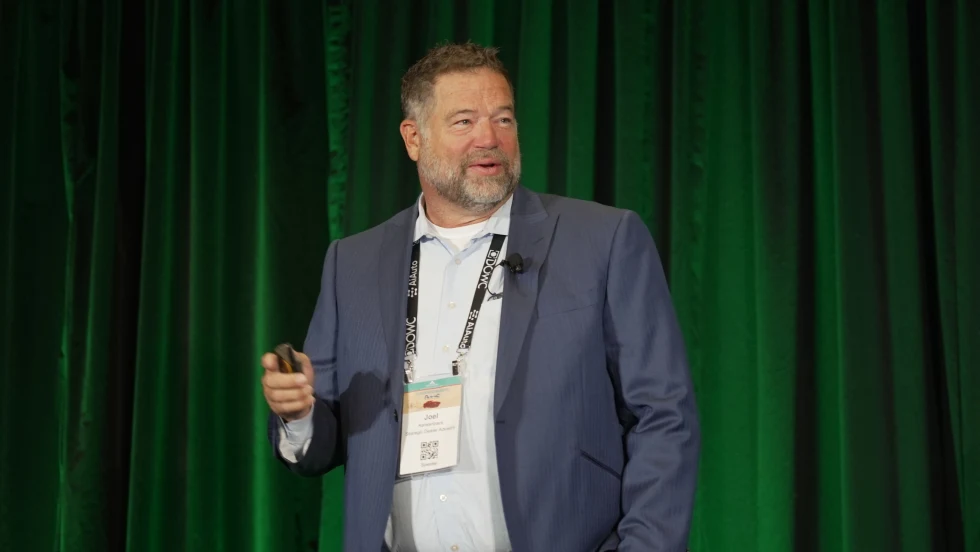
Get Ahead of the Change
A strong culture, among other things, will be a key differentiator for auto dealerships as the market speeds ahead to new heights, says industry veteran Joel Kansanback.
Read More →
F&I Without the Handoff
Get more familiar with what your dealer clients are really buying when they entrust you with finance-and-insurance.
Read More →
Affordability Shapes Auto Demand
Auto originations increased 1% in the first quarter, and electric vehicles are rebounding, according to TransUnion's latest credit report.
Read More →
The Evolution of Agency Development in Modern F&I
General agents have a different roadmap for success than their predecessors. It will pay for them to follow it in order to be true dealer partners.
Read More →
Four-Figure Loan Payments on the Rise
A LendingTree analysis found that location, age and credit score play a role in the rising amount of auto loan borrowers who make monthly payments of $1,000 or more.
Read More →
APCO Holdings Acquires Fidelity Dealer Services
The finance-and-insurance product provider says the addition strengthens EasyCare’s reach across key markets.
Read More →
Tariffs Could Raise Insurance Premiums
As U.S. import tariffs affect repair costs, consumers might find it more affordable to replace a damaged vehicle, according to recent Insurify tariff analysis.
Read More →
Smaller Loans, Longer Terms
The youngest generation of car buyers is more likely to finance less expensive vehicles, more than half of generation Z consumers borrowing less than $25,000.
Read More →
Ensure Your Clients Are Sure About Reinsurance
Industry experts recently broke down the complicated profit center at Agent Summit. Learn what’s relevant and what’s new to share with your dealers.
Read More →