



Auto Loan Delinquencies Fall for Eighth Consecutive Quarter

CHICAGO — The national auto delinquency rate did fall for the eight consecutive quarter on a year-over-year basis, but it did show a modest increase from the second quarter, Transunion reported today.
The delinquency rate dropped from 0.58 percent in the year-ago quarter to 0.47 percent in the third quarter, but it did rise from 0.44 percent in the second quarter. The credit reporting agency said it expected the slight quarterly increase, but it did note that the rate continues to show a moderate deceleration on a year-over-year basis since the third quarter of 2010, reported F&I and Showroom magazine.
"Third quarter rates have consistently been greater than second quarter rates since 2000 -- primarily due to seasonal influences," said Peter Turek, automotive vice president in TransUnion's financial services business unit. "The number of new auto loans coming on the books has continued trending upward since the end of the recession. A primary driver of this is relaxed lending policies of creditors. However, on a year-over-year basis, delinquencies have now dropped for eight consecutive quarters, even in the face of increased lending to the subprime market."
Between the second and third quarters of 2011, 15 states experienced decreases in their auto delinquency rates. On a more granular level, 54 percent of metropolitan statistical areas (MSA) realized increases in their delinquency rates last quarter. During the second quarter of 2011, 40 percent of MSAs experienced a rise in auto delinquency rates compared to only 36 percent in the first quarter of this year.
"The good news is that national auto delinquency rates are still at historic lows and should remain so this year as the demand forecast for new and used vehicles indicates continued growth," added Turek. "Barring any substantial changes in the macroeconomic environment, we see auto delinquency rates early next year remaining near current record lows. However, there is some upward pressure building on delinquency rates as long periods of high unemployment and low consumer sentiment take their toll on consumers."
More Industry

Penske Auto Group Deal a Record
The deal to take the dealership and transportation services company private sets a new pace for industry buy-sell transactions.
Read More →
War Toll a Damper on Used Auto Prices
Cox Automotive found wholesale depreciation to be elevated in September amid high fuel prices and this year's unusual hurricane season.
Read More →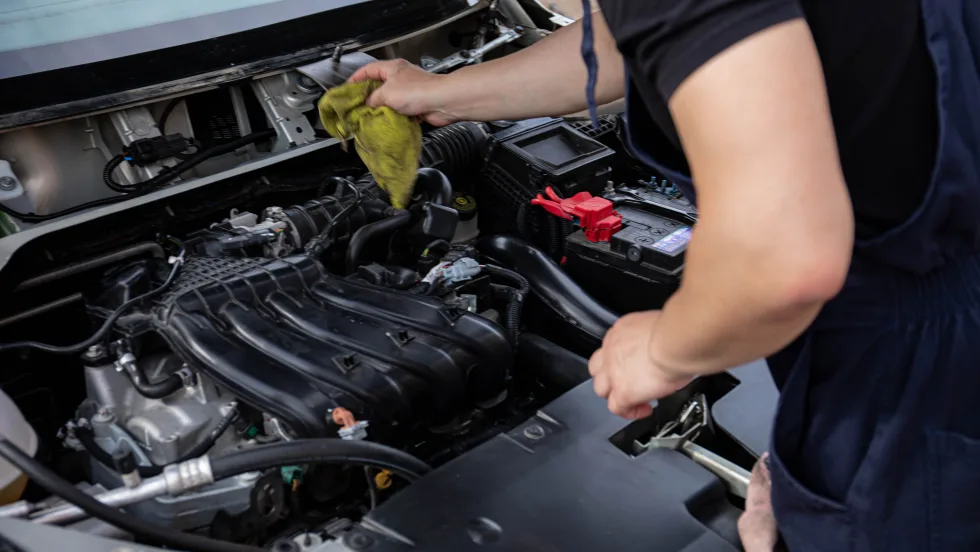
Bridge the Maintenance Gap
With many drivers missing recommended maintenance, service departments offering transparency and efficiency have a better chance of reaching financially strained consumers.
Read More →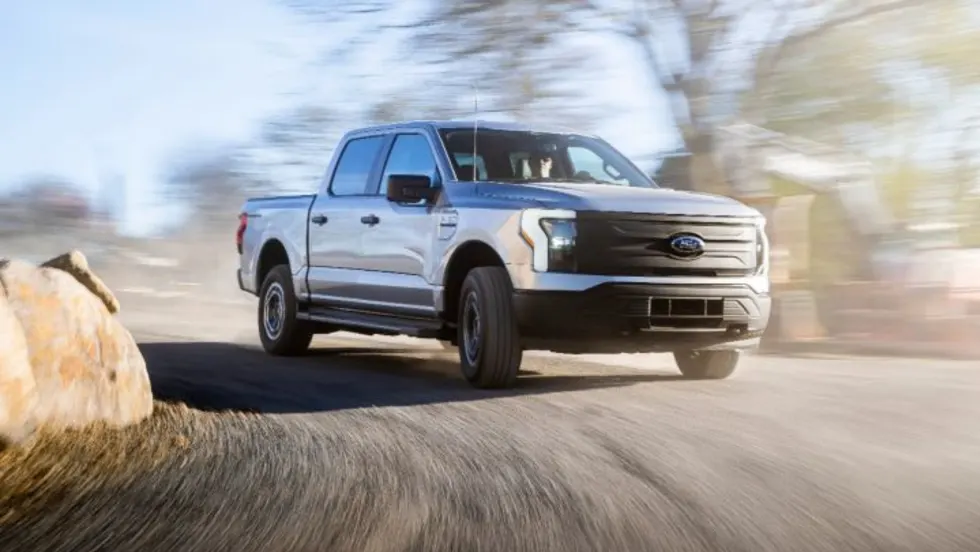
California Store Has New Owner
The longtime dealership in the northern part of the state is known for robust fleet sales and has served the state capital for 115 years.
Read More →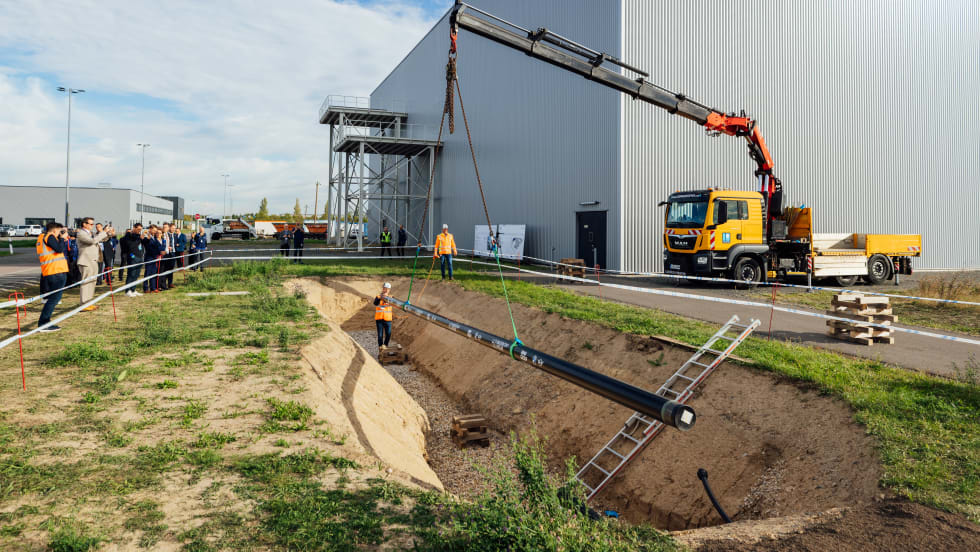
BMW Plant Pursues Cleaner Energy
BMW Group Plant Leipzig has utilized hydrogen to help power its production since 2013, but a new pipeline is planned to take it to another level.
Read More →
Auto Affordability Inches Up
The latest Cox Automotive and Moody’s Analytics index shows a slight increase in new-vehicle affordability despite high prices.
Read More →
Ohio Auto Group Under New Ownership
After 79 years with the Schluter family, Mansfield Auto Group has been acquired by Missouri-based Clement Auto Group.
Read More →
RV Group Expands Carolina Footprint
Blue Compass RV Columbia Northeast is the 13th RV dealership owned by Blue Compass in the Carolinas.
Read More →
Agent Acumen
An Agent Summit panel of people who’ve been supporting auto dealers for years gave both timely and timeless advice for those starting out or mulling the prospect.
Read More →
Missed Maintenance Creates Opportunity
As families get back on the road and into daily school routines, service drives have an opportunity to capture customers who are behind on recommended vehicle maintenance.
Read More →