



Auto Insurance Cost Reprieve
2025 brought consumers relief after years of rate hikes, but 2026 could bring renewed policy pain, depending on how U.S. trade policy affects prices.


If U.S. trade tariffs on imports push up the cost of automotive parts, that could in turn drive up the cost of auto insurance claims that insurers could pass on to consumers.
Pexels/Pixabay
Automotive insurance rates fell last year after several years of increases, according to data compiled by insurance comparison shopping website Insurify.
The average 2025 annual insurance cost in the U.S. fell 6% to $2,144 after a more than 40% average annual insurance cost increase from 2022 to 2024.
Insurers, back in profits last year after increasing policy rates since the pandemic, focused on adding customers, pricing policies competitively in many corners of the country, Insurify said.
Some states saw even bigger drops than the national average, including two of the biggest, California and Texas, whose average fell 8%. There were fewer accidents in those two states last year, and Texas also saw fewer vehicle thefts, trends likely helping to tamp down insurance rates for policy holders there.
This year could be a different story across the U.S., though. Insurify projects more than a half percentage point increase in average annual U.S. auto insurance cost, and federal trade policy presents a wild card.
If U.S. trade tariffs on imports push up the cost of automotive parts, that could in turn drive up the cost of auto insurance claims, increased costs insurers could transfer to policy holders in higher rates, the company said.
“If that happens, companies will likely pass those higher expenses on to policyholders — and a 1% increase could turn into 4% in 2026,” said Insurify Senior Economic Analyst Matt Brannon.
Originally posted on F&I and Showroom
More F&I
To Include Products in the First Pencil or Not
In this month's Under the Hood, Editor Hannah Mitchell examines a question many auto dealers have been asking since Federal Trade Commission enforcement intensified this year.
Read More →
Get Ahead of the Change
A strong culture, among other things, will be a key differentiator for auto dealerships as the market speeds ahead to new heights, says industry veteran Joel Kansanback.
Read More →
F&I Without the Handoff
Get more familiar with what your dealer clients are really buying when they entrust you with finance-and-insurance.
Read More →
Affordability Shapes Auto Demand
Auto originations increased 1% in the first quarter, and electric vehicles are rebounding, according to TransUnion's latest credit report.
Read More →
The Evolution of Agency Development in Modern F&I
General agents have a different roadmap for success than their predecessors. It will pay for them to follow it in order to be true dealer partners.
Read More →
Four-Figure Loan Payments on the Rise
A LendingTree analysis found that location, age and credit score play a role in the rising amount of auto loan borrowers who make monthly payments of $1,000 or more.
Read More →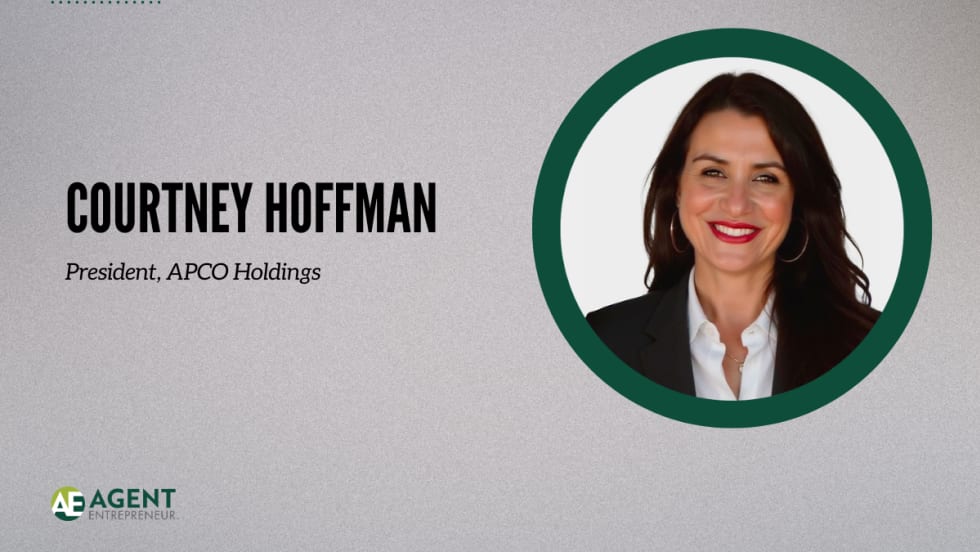
APCO Holdings Acquires Fidelity Dealer Services
The finance-and-insurance product provider says the addition strengthens EasyCare’s reach across key markets.
Read More →
Tariffs Could Raise Insurance Premiums
As U.S. import tariffs affect repair costs, consumers might find it more affordable to replace a damaged vehicle, according to recent Insurify tariff analysis.
Read More →
Smaller Loans, Longer Terms
The youngest generation of car buyers is more likely to finance less expensive vehicles, more than half of generation Z consumers borrowing less than $25,000.
Read More →
Ensure Your Clients Are Sure About Reinsurance
Industry experts recently broke down the complicated profit center at Agent Summit. Learn what’s relevant and what’s new to share with your dealers.
Read More →