



Auto Financing for Lotus Luxury Cars Grows
New programs stem from Lotus Cars USA and Santander Consumer partnership.

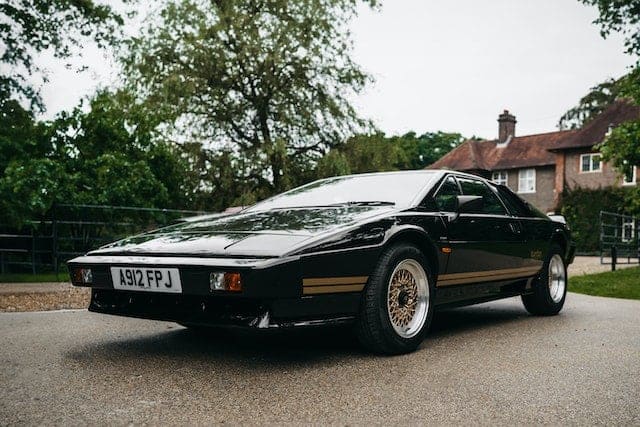
Lotus Cars, like this Lotus Esprit, can sell for over $100,000.
IMAGE: Pexels
Lotus Cars and Santander Consumer joined forces to offer dealer financing programs in the U.S. for the automaker’s sports cars.
Santander Consumer will offer nationwide loan and lease options to Lotus customers and dealers through the exclusive multiyear agreement, according to Lotus Cars.
“We are thrilled to embark on this partnership with Santander Consumer to provide financing options to customers in one of our largest markets,” said Lotus Chief Financial Officer Ben Dodds in a statement. “Providing convenient options for our customers stays true to our brand promise to be ‘For the Drivers’, and we are excited to have them along with us on this journey as we deliver our new line-up.”
By teaming with Lotus, Santander Consumer expands its existing auto-financing partnership with Lotus in Europe.
“Our relationship with Lotus is a testament to our commitment to partnering with prestigious automotive companies, and providing superior experience for our dealers so they can offer financing to customers across the credit spectrum and drive sales,” said Betty Jotanovic, president of Auto Relationships at Santander Consumer.
The press release noted that North America is a key market for Lotus, which recently introduced its first electric hyper-GT Emeya in New York City. With over 44 stores in its retail network as of June 30, the company intends to almost double its presence by opening 80 stores by 2025.
Lotus Cars is also known for its flagship electric-vehicle model, the hyper-SUV Eletre. It said its luxury performance EVs are part of the company’s Vision80 strategy to become a global luxury technology brand by 2028.
Lotus is owned by China’s Geely, and its vehicles can sell for upwards of $100,000. Customer deliveries in the U.S. are scheduled to begin in the third quarter of 2024 for Eletre, and Emeya will be available in early 2025, Lotus Cars said.
Originally posted on Auto Dealer Today
More F&I

To Include Products in the First Pencil or Not
In this month's Under the Hood, Editor Hannah Mitchell examines a question many auto dealers have been asking since Federal Trade Commission enforcement intensified this year.
Read More →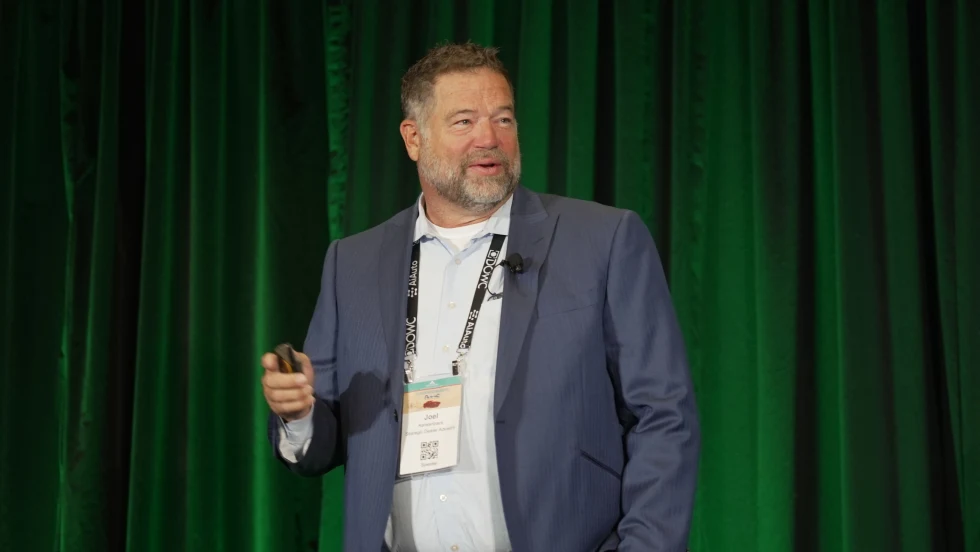
Get Ahead of the Change
A strong culture, among other things, will be a key differentiator for auto dealerships as the market speeds ahead to new heights, says industry veteran Joel Kansanback.
Read More →
F&I Without the Handoff
Get more familiar with what your dealer clients are really buying when they entrust you with finance-and-insurance.
Read More →
Affordability Shapes Auto Demand
Auto originations increased 1% in the first quarter, and electric vehicles are rebounding, according to TransUnion's latest credit report.
Read More →
The Evolution of Agency Development in Modern F&I
General agents have a different roadmap for success than their predecessors. It will pay for them to follow it in order to be true dealer partners.
Read More →
Four-Figure Loan Payments on the Rise
A LendingTree analysis found that location, age and credit score play a role in the rising amount of auto loan borrowers who make monthly payments of $1,000 or more.
Read More →
APCO Holdings Acquires Fidelity Dealer Services
The finance-and-insurance product provider says the addition strengthens EasyCare’s reach across key markets.
Read More →
Tariffs Could Raise Insurance Premiums
As U.S. import tariffs affect repair costs, consumers might find it more affordable to replace a damaged vehicle, according to recent Insurify tariff analysis.
Read More →
Smaller Loans, Longer Terms
The youngest generation of car buyers is more likely to finance less expensive vehicles, more than half of generation Z consumers borrowing less than $25,000.
Read More →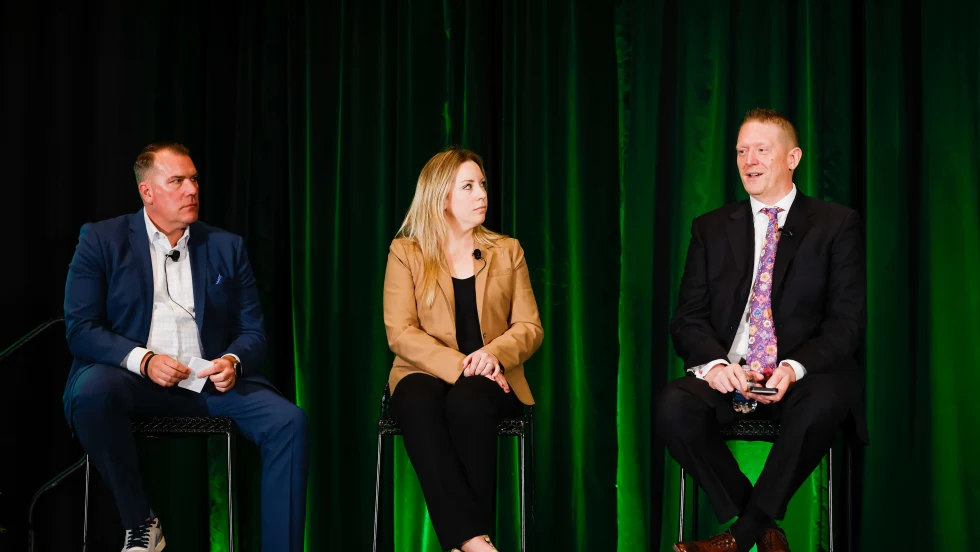
Ensure Your Clients Are Sure About Reinsurance
Industry experts recently broke down the complicated profit center at Agent Summit. Learn what’s relevant and what’s new to share with your dealers.
Read More →