



Aftermarket Sales to Drop 8.8% This Year
Total U.S. automotive aftermarket sales are forecast to decrease 8.8% in 2020 as a result of the impact of the COVID-19 pandemic and related factors.

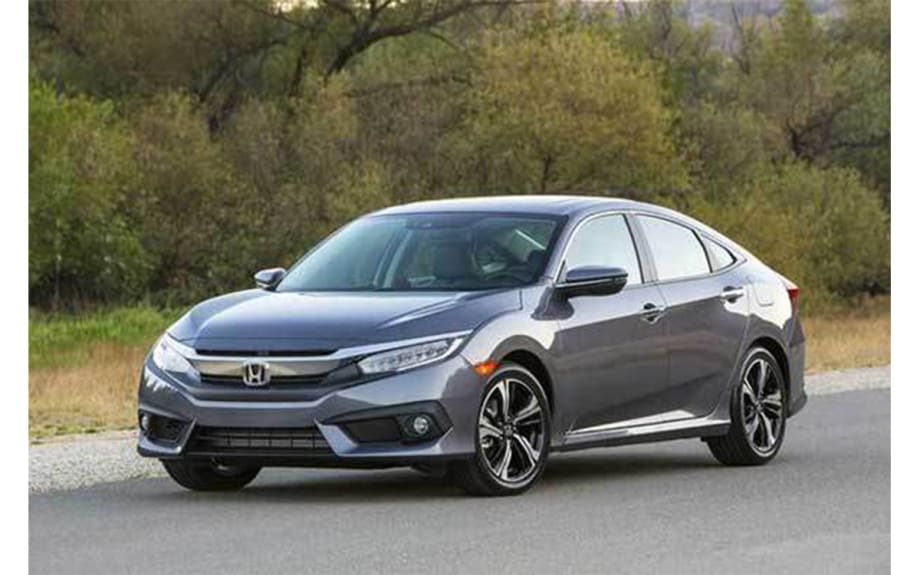
Total U.S. automotive aftermarket sales are forecast to decrease 8.8% in 2020 as a result of the impact of the COVID-19 pandemic and related factor.
Image courtesy of Autotrader
Total U.S. automotive aftermarket sales are forecast to decrease 8.8% in 2020 as a result of the impact of the COVID-19 pandemic and related factors, according to the 2020 Joint Channel Forecast Model produced jointly by the Auto Care Association and the Automotive Aftermarket Suppliers Association (AASA). But a rebound is expected to take place next year.
The foundation of our industry’s key drivers remains strong.
“Despite the ongoing COVID-19 pandemic, the Joint Channel Forecast shows that the continued strength and resilience of the automotive aftermarket will lead to a brighter 2021,” said Paul McCarthy, AASA president and COO. "The foundation of our industry’s key drivers remains strong. Miles driven continue to rise as global economies reopen, new technologies continue to emerge, and the desire to be with friends and family will propel further car usage.
“We are still facing a lot of challenges, but this forecast confirms the essential attractiveness of the aftermarket. The aftermarket supplier community is continuing to work hard to try and support our customers and our essential industry, which, despite the crisis, remains a vibrant contributor to our economy.”
“As industry businesses assess the impact and look to navigate the road ahead, there are a few certainties that provide a silver lining: DIY and e-commerce are growing during the pandemic, and early indicators show that the average age of vehicles on the road will continue to rise as consumers hold on to their aging vehicles during economic uncertainty,” says Bill Hanvey, president and CEO, Auto Care Association.
“Juxtaposing the data surrounding this event with other crises and observing these indicators further reinforce this industry’s tremendous ability to bounce back from downturns and in many cases, take advantage of new opportunities presented to us through technology.”
The market sizing and forecast is conducted on behalf of the Auto Care Association and AASA by IHS Markit, a leading business intelligence firm. The forecast is based on the U.S. Census Bureau’s Economic Census, IMR Inc., and proprietary economic analysis and forecasting models from IHS Markit.
Originally posted on F&I and Showroom
More Industry
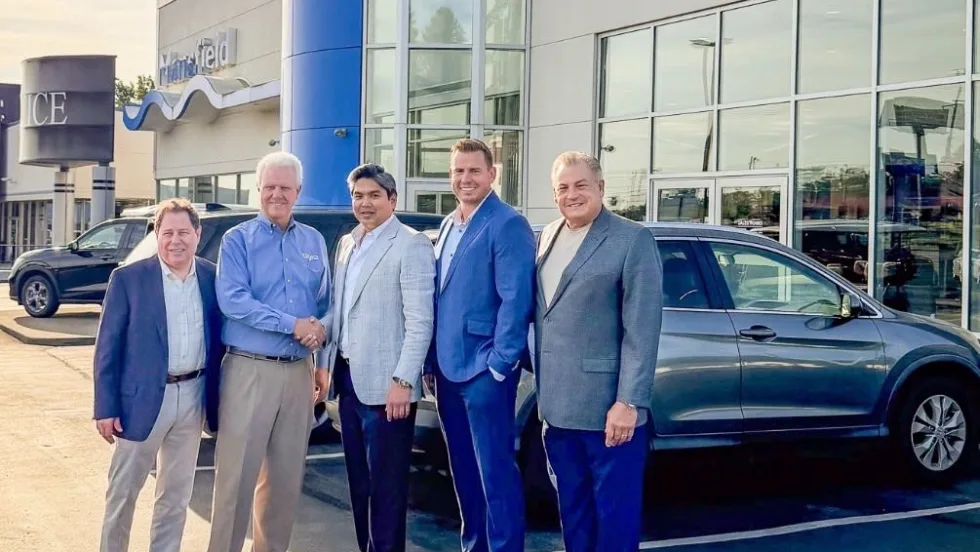
Ohio Auto Group Under New Ownership
After 79 years with the Schluter family, Mansfield Auto Group has been acquired by Missouri-based Clement Auto Group.
Read More →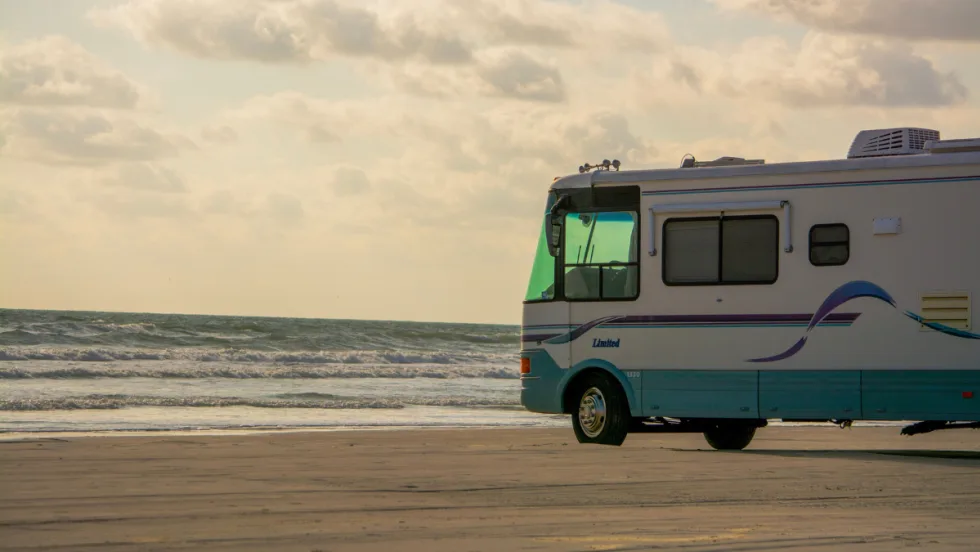
RV Group Expands Carolina Footprint
Blue Compass RV Columbia Northeast is the 13th RV dealership owned by Blue Compass in the Carolinas.
Read More →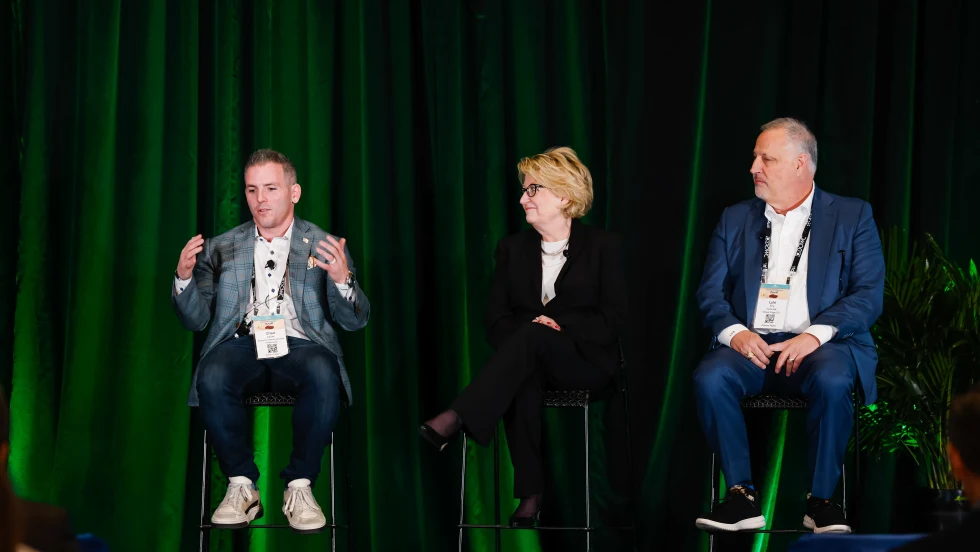
Agent Acumen
An Agent Summit panel of people who’ve been supporting auto dealers for years gave both timely and timeless advice for those starting out or mulling the prospect.
Read More →
Missed Maintenance Creates Opportunity
As families get back on the road and into daily school routines, service drives have an opportunity to capture customers who are behind on recommended vehicle maintenance.
Read More →
Mitsubishi Unveils U.S. Plan
The automaker announced a strategy that includes an expanded lineup and dealership presence, along with more ‘rugged’ and electric models.
Read More →
Selling to Grow
The question of whether you should sell your agency and if so, when, is up to you. But it’s a question worth asking to ensure you keep the business on the right path for yourself, employees and clients.
Read More →
Recalled Vehicles Hit 5-Year High
Though the number of events has fallen so far this year, impacted units are up significantly. Meanwhile, regulators consider consumer notification changes.
Read More →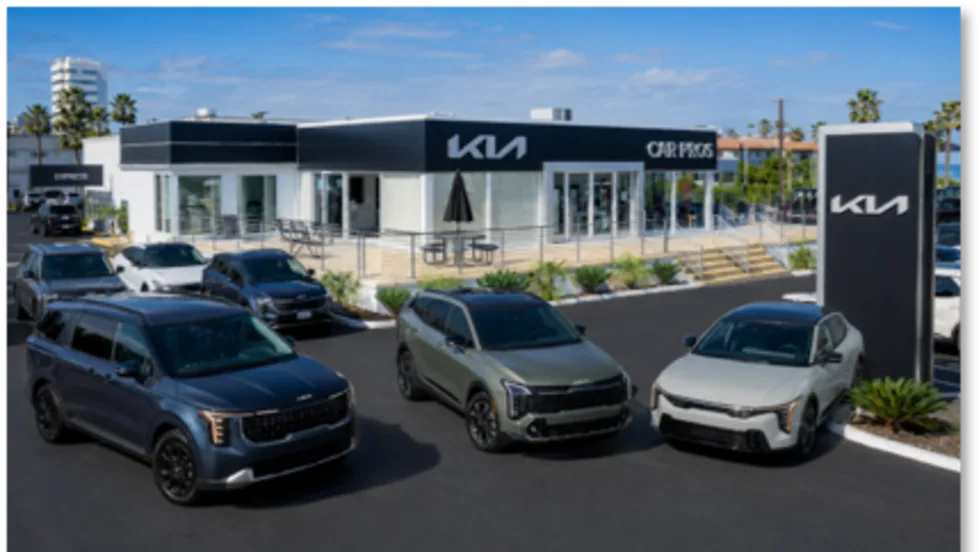
Auto Group Acquires Top-Performing Rooftop
Car Pros sold its Kia Huntington Beach location to Sutherlin Automotive Group, marking the buyer’s third location in Southern California.
Read More →
China as Pacesetter
Automotive leaders huddled on where North America stands in the global picture and how it can strengthen its position against the Asian juggernaut’s surging industry.
Read More →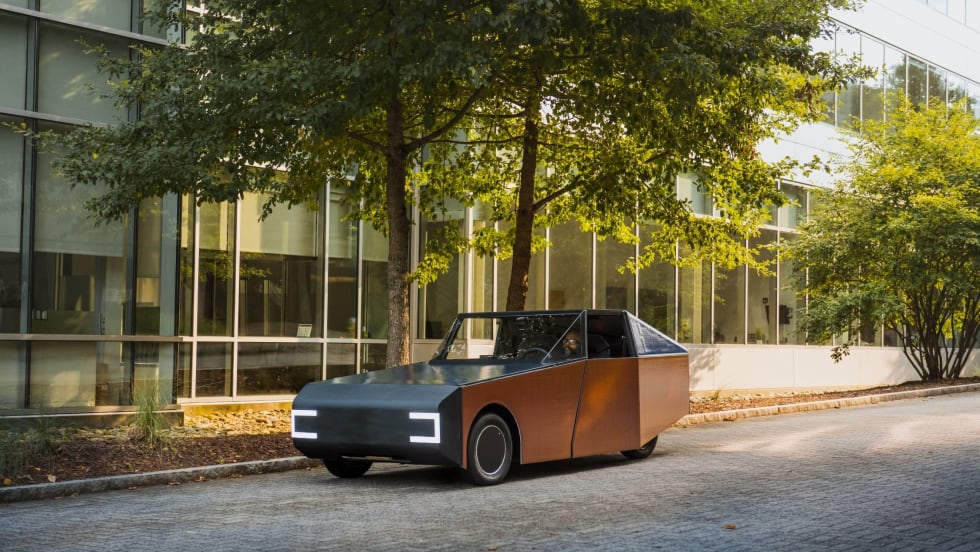
BMW Concept Car Makes Fuel to Burn
The prototype developed in concert with a South Carolina university engineering team generates more solar energy than it uses in a typical daily commute.
Read More →