



2022 Vehicle Safety Recalls on Downward Trend
The number of potentially affected vehicles has also fallen with 4,622,752 vehicles affected so far.

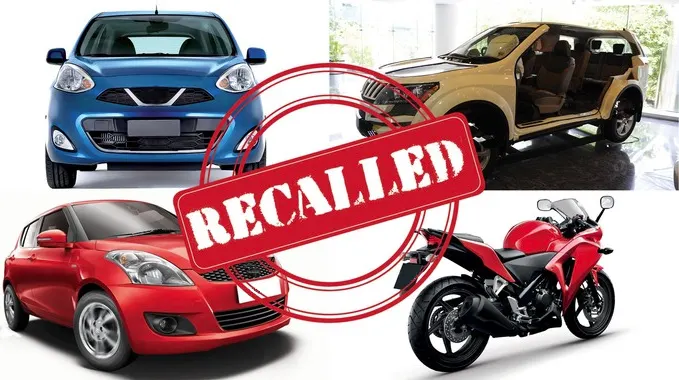
autodealrz.com
Vehicle Safety Recalls Week happens every March; this year March 8-12. But how are manufacturers really doing with recalls?
Recalls have increased 42% since 2014. The rise in electronics and software now accounts for 26% of vehicle recalls, finds OESA’s Automotive Defect and Recall Report.
But 2022 shows a possible reversal in these trends. the National Highway Traffic Safety Administration (NHTSA) reports there have only been 111 total recalls by across all vehicle manufacturers so far in 2022, the slowest pace in a decade.
The number of potentially affected vehicles has also fallen with 4,622,752 vehicles affected so far, just over half of the best January-February total in the past five years (8.3 million vehicles in 2018) and is just 20% of 2019 and 2020’s numbers (22.1 million and 21 million respectively).
Volvo and Mazda have not had a single recall so far in 2022. General Motors has recalled 1,811 vehicles so far, which is the equivalent of 0.1% of last year’s vehicles (2.3 million). Mercedes-Benz also has only recalled 0.1%, but with much lower U.S. volumes (330,000 vehicles).
Tesla, however, has seen four recalls already affecting 2.2 million vehicles, which represents 671% of its 2021 production volumes. Tesla was responsible for two of the recalls. The latest was a recall over the external noises the vehicles produced, thereby potentially interfering with pedestrian crossings.
Hyundai/Kia has recalled over a million vehicles recalled (74.3% of 2021 production), Nissan has recalled 689,000 vehicles (63.8% of 2021’s production) and Porsche recalled 78.2% of 2021’s production or 6,547 recalled vehicles.
There are a couple of things that helped reduce recalls:
Takata Airbag recalls during 2014-2021 of 67M vehicles added to increased quality issues. In 2022 so far, the industry has had just six airbag recalls, three of them affecting just 400 vehicles.
More manufacturers mandate compliance to engineering standards (e.g., Automotive SPICE, ISO 26262) as part of supplier negotiations.
Originally posted on Auto Dealer Today
More Industry

Penske Auto Group Deal a Record
The deal to take the dealership and transportation services company private sets a new pace for industry buy-sell transactions.
Read More →
War Toll a Damper on Used Auto Prices
Cox Automotive found wholesale depreciation to be elevated in September amid high fuel prices and this year's unusual hurricane season.
Read More →
Bridge the Maintenance Gap
With many drivers missing recommended maintenance, service departments offering transparency and efficiency have a better chance of reaching financially strained consumers.
Read More →
California Store Has New Owner
The longtime dealership in the northern part of the state is known for robust fleet sales and has served the state capital for 115 years.
Read More →
BMW Plant Pursues Cleaner Energy
BMW Group Plant Leipzig has utilized hydrogen to help power its production since 2013, but a new pipeline is planned to take it to another level.
Read More →
Auto Affordability Inches Up
The latest Cox Automotive and Moody’s Analytics index shows a slight increase in new-vehicle affordability despite high prices.
Read More →
Ohio Auto Group Under New Ownership
After 79 years with the Schluter family, Mansfield Auto Group has been acquired by Missouri-based Clement Auto Group.
Read More →
RV Group Expands Carolina Footprint
Blue Compass RV Columbia Northeast is the 13th RV dealership owned by Blue Compass in the Carolinas.
Read More →
Agent Acumen
An Agent Summit panel of people who’ve been supporting auto dealers for years gave both timely and timeless advice for those starting out or mulling the prospect.
Read More →
Missed Maintenance Creates Opportunity
As families get back on the road and into daily school routines, service drives have an opportunity to capture customers who are behind on recommended vehicle maintenance.
Read More →