



The Shoulder Bone Is Connected to the Back Bone


The Shoulder Bone Is Connected to the Back Bone
Many of you may be familiar with the children’s sing-along song called “Dem Bones” or “Dry Bones.” Most verses recite the connection between the bones: “Shoulder bone connected to the back bone, back bone connected to the hip bone,” and so on.
You may be wondering what, exactly, this has to do with you. Well, any agent who has an interest in keeping their dealers off the federal regulatory radar needs to understand the security measures those agencies are demanding and how to meet them.
Assembling the Skeleton
Well, the “back bone” of every dealership is the dealer management system (DMS). Connected to that “back bone” are lots of other “bones” such as the business development system (BDS), a customer relationship manager (CRM), menu sales tools, iPads, smartphones, laptops and other devices.
Contained in the DMS are pieces of nonpublic personal information (NPI) pertaining to clients and potential clients which can be part of this digitally interconnected skeleton. One variety of this digital interconnectivity is referred to as peer-to-peer (P2P) file-sharing technology.
The federal Safeguards Rule requires, among other things, that dealers have a written security plan that contains administrative, technical and physical safeguards of customer’s information. Customer’s information includes NPI, which includes information a customer provides to the dealer to obtain a financial product or service.
Think about your typical dealer client. How many points of access to the customer NPI in the DMS back bone are there? If a salesperson pulls up their CRM to call Charlie Customer, does he have access to the DMS with Charlie’s credit score, credit application, date of birth, driver’s license number and other pieces of NPI? Can the salesperson access the DMS from his or her laptop while offsite?
Aside from the “front of the house” type of issue of controlling digital interconnectivity, have you reviewed your dealers’ agreements with their finance sources lately? As you may be aware, as far as the CFPB is concerned, the dealership is what is called a “service provider” for Mr. Big Bank. That means that the bank can be held liable for any improper act that is committed by one of its dealers.
As a consequence, almost all dealer/finance source contracts have some pretty scary indemnity/chargeback language incorporating compliance addendums or similar language. What this means, as a practical matter, is that failure to secure NPI in the DMS “back bone” could not only create liability for any injuries that the customer may suffer and reputational risk for the dealer, but could seriously jeopardize the dealer’s financing source.
Case Study
Franklin Budget Car Sales of Statesboro, Ga., used a computer network to conduct business and collect customer information and data, including such items as online credit applications, outside lead information, customer automobile and payment records, and finance and insurance records.
Franklin also, unfortunately, had P2P software installed on a computer connected to its network. As a result, the NPI of 95,000 customers was made available on the P2P network. Anyone operating a computer containing compatible P2P software would have access to view or download any files shared on the P2P network.
The FTC found this practice to be a violation of the Safeguards Rule. No financial penalty was assessed; however, Franklin was required to completely overhaul its information security program and report to the FTC for a period of 20 years. Keep in mind that there was no allegation that any of the 95,000 affected customers’ NPI was actually used to the detriment of the customers, just that it was available on the P2P network.
So what is the takeaway here? Well, while the back bone may be connected to the hip bone, you should take appropriate steps to make sure that the NPI on your dealers’ DMS is properly secured, that their computer network (and all devices with access to their computer network) contain no P2P software, and that they maintain adequate “administrative, technical and physical safeguards” to protect the security, confidentiality and integrity of personal information collected from or about customers.
More Industry

War Toll a Damper on Used Auto Prices
Cox Automotive found wholesale depreciation to be elevated in September amid high fuel prices and this year's unusual hurricane season.
Read More →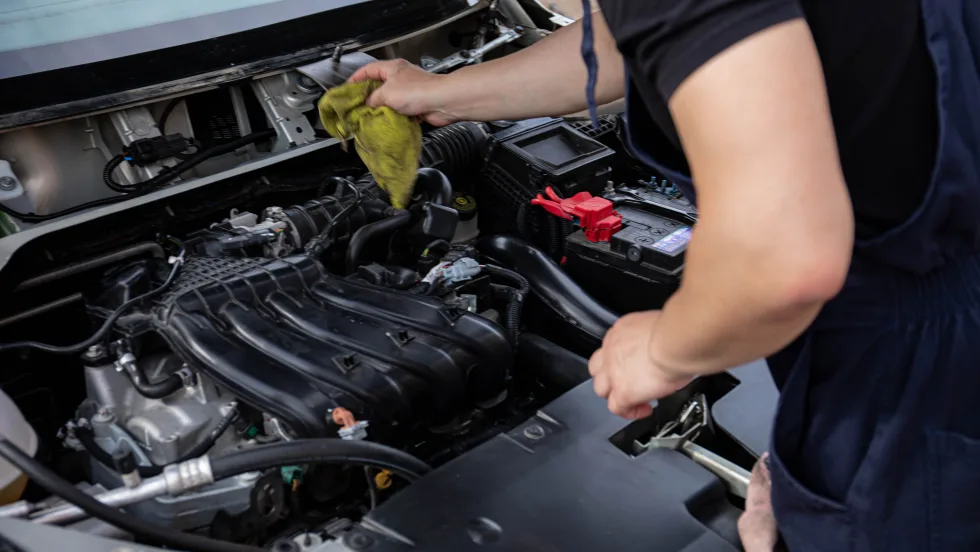
Bridge the Maintenance Gap
With many drivers missing recommended maintenance, service departments offering transparency and efficiency have a better chance of reaching financially strained consumers.
Read More →
California Store Has New Owner
The longtime dealership in the northern part of the state is known for robust fleet sales and has served the state capital for 115 years.
Read More →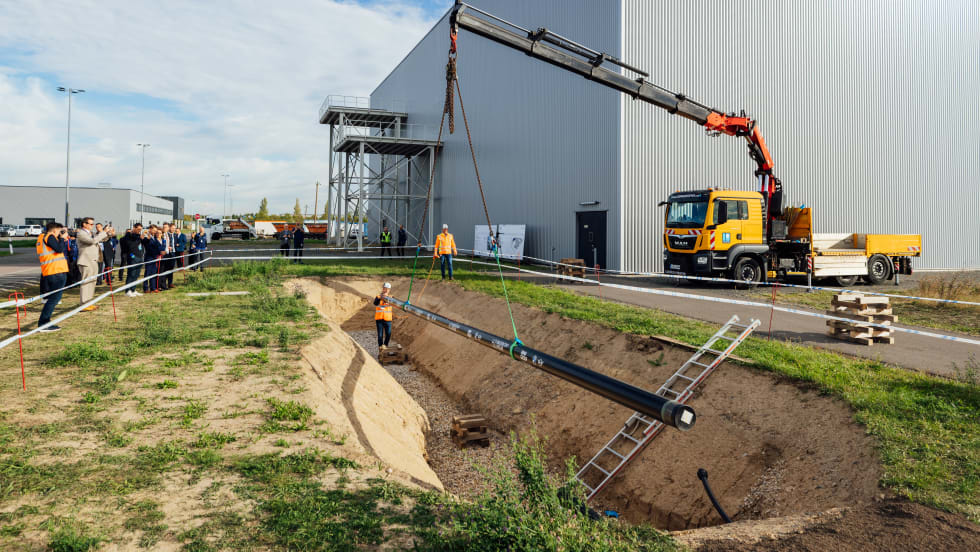
BMW Plant Pursues Cleaner Energy
BMW Group Plant Leipzig has utilized hydrogen to help power its production since 2013, but a new pipeline is planned to take it to another level.
Read More →
Auto Affordability Inches Up
The latest Cox Automotive and Moody’s Analytics index shows a slight increase in new-vehicle affordability despite high prices.
Read More →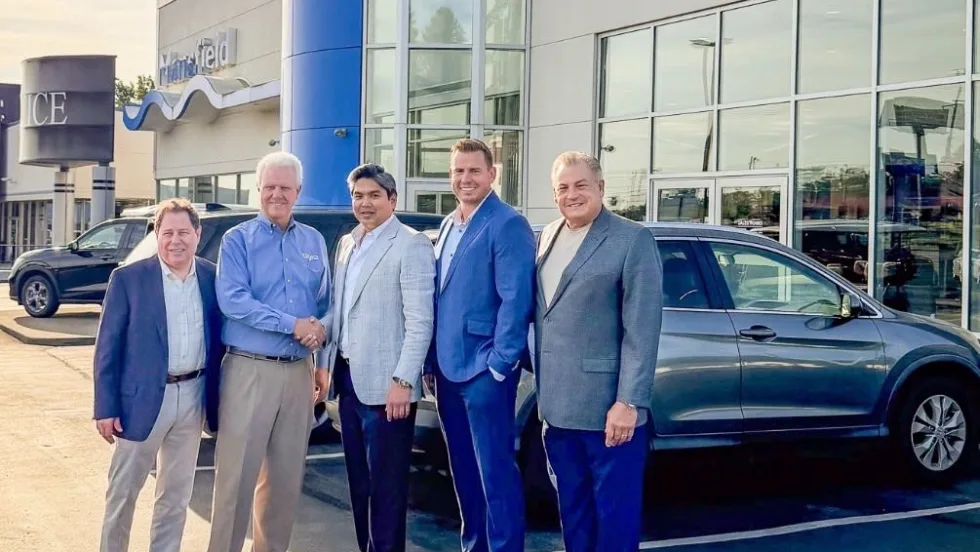
Ohio Auto Group Under New Ownership
After 79 years with the Schluter family, Mansfield Auto Group has been acquired by Missouri-based Clement Auto Group.
Read More →
RV Group Expands Carolina Footprint
Blue Compass RV Columbia Northeast is the 13th RV dealership owned by Blue Compass in the Carolinas.
Read More →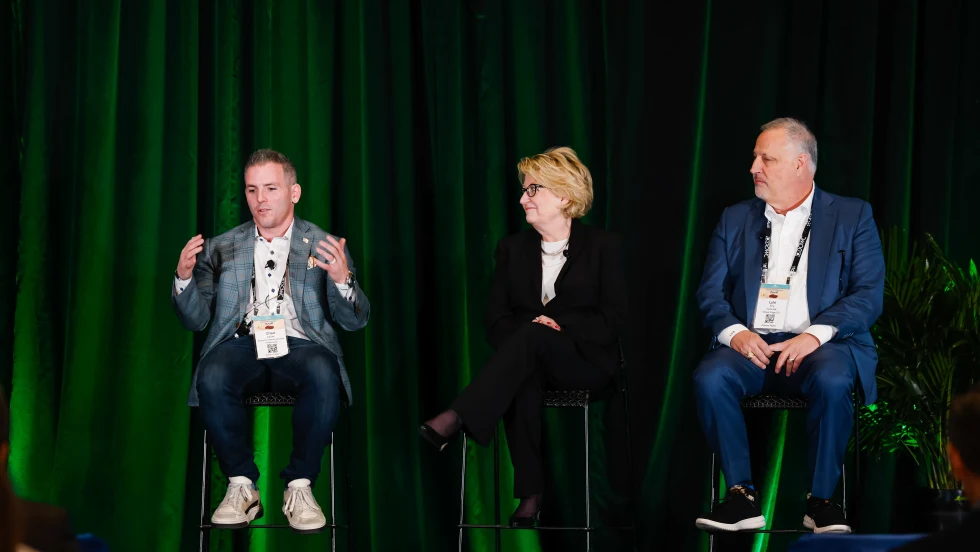
Agent Acumen
An Agent Summit panel of people who’ve been supporting auto dealers for years gave both timely and timeless advice for those starting out or mulling the prospect.
Read More →
Missed Maintenance Creates Opportunity
As families get back on the road and into daily school routines, service drives have an opportunity to capture customers who are behind on recommended vehicle maintenance.
Read More →
Mitsubishi Unveils U.S. Plan
The automaker announced a strategy that includes an expanded lineup and dealership presence, along with more ‘rugged’ and electric models.
Read More →