



Reinsurance and Loss Control


Reinsurance and Loss Control
In a past issue of P&A magazine, we discussed the parties that agents represent and some key aspects of loss control. In this article, I would like to discuss the benefits and idiosyncrasies of reinsurance as well as how loss control fits in.
Our goal as agents is to sign a dealer and keep them forever. As farfetched as this may sound, it is entirely possible if you put the dealer on reinsurance. Once they start seeing the statements and receiving checks, they frequently will not even entertain seeing the competition, because they have their “own company.”
Vital Information
Your first responsibility is to ascertain whether the carrier you are using has the proper program for the dealer. In a panel I moderated Agent Summit 2014, we had a discussion among some of the sharpest minds in the industry. There was consensus on numerous items, including:
Be sure your carrier has the support you need. The big box carriers have all the suits that can come in and put on a pretty good show, but this is frequently style over substance. You need a carrier that will not only supply you with sales support but is willing to have claims or accounting personnel come out and assist in the explanation of reports.
Be sure that the carrier will supply timely reports and detailed loss data. I cannot stress this enough, especially having reports that drill down to great detail on where the claim was repaired and whether it included multiple components, among other details.
Review the treaty. You should see an administrative fee, which includes your commission, as well as a reserve to pay claims and a ceding fee. Sometimes the carrier’s administrative fee and ceding fee are combined, so you have to look at them together as one expense. Under no circumstance should you have to pay a claim fee, and the structure should not change if the dealer were to quit writing with that carrier.
Expert Advice
The dealer is going to need accounting and legal support. Frequently, the dealer will say he wants to use his own accountant and lawyer. However, the dealers’ trusted advisers are not likely to be familiar with reinsurance transactions and thus are not qualified to advise the dealer on this transaction. In such cases, I would always just say “OK” and then call the dealer’s accountant and lawyer. I would explain to them that there are firms that specialize in these transactions and could prepare the tax return for less than $5,000. At this point, most advisers will be happy to have an “out” and will recommend the dealer use the specialist. The fact that the dealer’s trusted advisers are giving this advice, rather than the agent, is an important distinction.
To find these specialists, you can start by looking at some of the presenters and panelists at Agent Summit. You can also ask your carrier if they have any recommendations. Quality, fees, and service levels can vary, so be sure to get recommendations from other agents or industry professionals.
Proper Structure
The structure as to how to hold the shares and or equity of the reinsurance company can vary, but we have usually recommended an LLC be formed to hold the shares. This allows increased flexibility if you want to make ownership changes. It is highly recommended that minority ownership shares be issued to key personnel at the dealership and that it becomes part of their pay plan. The personnel should be selected based upon their ability to influence the operating results of the company and effect loss ratios. Recommendations include the service manager, new and used car managers, F&I managers and controller.
The operating agreement of the LLC should include “golden handcuff” provisions as well as an exit strategy in case one of the management personnel leaves or dies. Golden handcuff provisions include a vesting provision so that the shareholder may only be 100% vested after a given period of time (say five years) or a gradual vesting (such as 20% per year). The exit provision usually is at book value on a given date, perhaps at year-end of the exit or at the previous year-end book value if the exit is prior to June 30.
It is imperative that all relevant personnel, such as service writers, know that this is the dealer’s company that claims are coming out of. This will enforce good claim practices and further align the dealer with the fronting carrier in controlling loss ratios. We wish to avoid reconditioning used cars on a vehicle service contract, upselling multiple claims on the service drive or repairing a component that might break in the future but is currently operating within factory tolerances.
A dealer who truly understands reinsurance and is committed to the concept will reap significant financial rewards and be a great ally for the carrier and agent. We once had a dealer who did not want to pay any claims from his reinsurance company and wanted them all goodwilled. He understood that a goodwill claim is deductible at his ordinary income tax rate whereas as a claim paid from his reinsurance company is effectively deductible at his long-term capital gains rates, which is likely 20% or so less. The problem with this is the IRS would claim tax avoidance and there could have been serious repercussions. We had to explain to him that all legitimate claims have to be paid from the reinsurance company — but under no circumstances should he or his employees push to have a claim goodwilled out of his reinsurance company. Instead, it must be paid by the dealership, due to tax considerations.
Similarly, a dealer who understands reinsurance would push to have the highest reserves possible. This too moves income from ordinary to long-term capital gains. There is some wiggle room to increase reserves from some carriers, but they have to be justifiable increases. The IRS would again look at such increases as tax avoidance if they cannot be justified.
Such justifications could include a premium due to the dealer’s past experiences, the carrier’s history in the geographic area, the carrier’s history with a particular make or model, or simply the fact that the reinsurance company is starting out with a low capital base and there is need to build up reserves in case of a shock loss. In this case, the reserves would need to be revisited later and adjusted up or down accordingly. Most carriers file a rate with a variance acceptable to the state for these types of circumstances.
Reinsurance is a win-win-win situation. The dealer gets to participate in underwriting profits while enjoying the tax advantages of long-term capital gains. The agent wins because he now has a “sticky” client, who is looking to you, his trusted advisor, for guidance. You might make less per contract due to the exposure of fees, but you will sign larger dealerships and keep them longer. Finally, the carrier is a winner, because the dealer’s and agent’s goals are more likely aligned with theirs. So select your carriers, find the right accounting and legal firms, and enjoy increased success.
More Industry
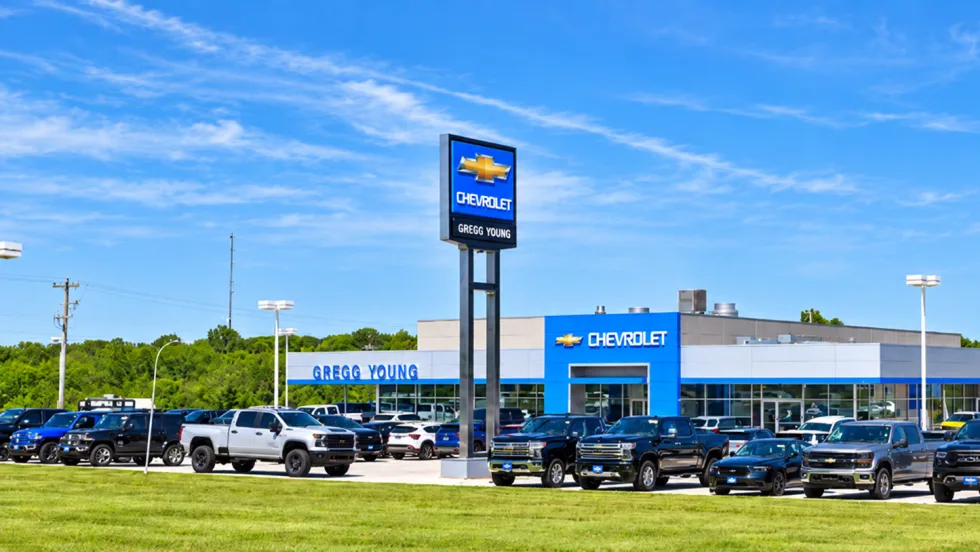
Nebraska Rooftop Changes Hands
The Gregg Young Automotive Group has sold its second dealership to Janssen Auto Group, both in Plattsmouth, Neb.
Read More →
Penske Auto Group Deal a Record
The deal to take the dealership and transportation services company private sets a new pace for industry buy-sell transactions.
Read More →
War Toll a Damper on Used Auto Prices
Cox Automotive found wholesale depreciation to be elevated in September amid high fuel prices and this year's unusual hurricane season.
Read More →
Bridge the Maintenance Gap
With many drivers missing recommended maintenance, service departments offering transparency and efficiency have a better chance of reaching financially strained consumers.
Read More →
California Store Has New Owner
The longtime dealership in the northern part of the state is known for robust fleet sales and has served the state capital for 115 years.
Read More →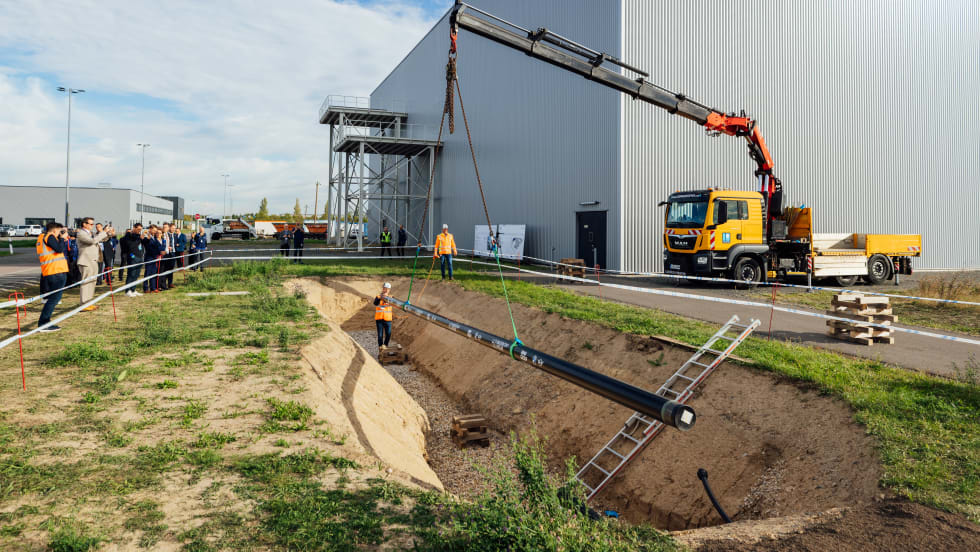
BMW Plant Pursues Cleaner Energy
BMW Group Plant Leipzig has utilized hydrogen to help power its production since 2013, but a new pipeline is planned to take it to another level.
Read More →
Auto Affordability Inches Up
The latest Cox Automotive and Moody’s Analytics index shows a slight increase in new-vehicle affordability despite high prices.
Read More →
Ohio Auto Group Under New Ownership
After 79 years with the Schluter family, Mansfield Auto Group has been acquired by Missouri-based Clement Auto Group.
Read More →
RV Group Expands Carolina Footprint
Blue Compass RV Columbia Northeast is the 13th RV dealership owned by Blue Compass in the Carolinas.
Read More →
Agent Acumen
An Agent Summit panel of people who’ve been supporting auto dealers for years gave both timely and timeless advice for those starting out or mulling the prospect.
Read More →