



Hitting the Hot Buttons


Hitting the Hot Buttons
The conventional wisdom of F&I has always been that consumers see the value of the product based on an extensive feature-benefit presentation. It’s easy to assume the reason people buy F&I products is because someone did a good job of selling value.
Create value, they buy the product. Simple, right?
However, our responses in interviews with “real” customers coming out of the F&I office over the last 20 years showed a different view. Very few of the people who bought F&I products expressed VALUE as a motivating factor. It had little to do with their decision to buy F&I products.
And the people who didn't buy F&I products also told us why they decided against them. Here again, it had nothing to do with a perceived lack of value.
Now this threw me in the early years of our process development, and it is certainly a difficult concept for many of us to understand. The reason this concept is difficult to accept is that we in the business naturally tend to be sales oriented. And sales oriented people believe in a feature-benefit approach. Point out the feature, describe the benefit, create value, and sell the product, right?
The other, more important reason we don't figure this out on our own is because the customers do not want to discuss their real motivation for buying F&I products. As a matter of fact, they don't want you to know they are thinking about certain things.
There are three important areas of concern buyers express.
They are:
Rate:They know all about rate, don't they?
Payment:They are simply looking for a payment they can manage into their budget.
But the one factor that is paramount in their minds is the one thing they don't want to reveal to you or have you bring up. And that is:Security
You see, customers today are more security minded than ever. And most of them should be.
According to Harris Polling, nearly half of the US population actually admits they are living paycheck to paycheck. But they don’t admit that when they are buying a car.
As a matter of fact, most customers will try to convince you of just the opposite.
I often have F&I managers tell me that their customers all have a lot of money. Well, maybe some do, but many of them just want you to think they do.
One of the exercises I include in our two day sessions is a very simple analysis of our average customer’s budget. We just do an estimate of an average customer's income and expenses to get a general idea of what they are thinking about when buying a car.
I hand out the form below and have small groups do a budget estimate based on their average customer’s income and fixed expenses.
For an example, I filled out a sample using a $50,000 annual income, which comes out to about $3,300 per month take home pay, (if the customer doesn't contribute to an IRA or medical plan). I added just a few normal expenses and figured a car payment of $450 plus insurance and gasoline for a total of $800 for total auto expense.
As you can see, $50,000 doesn't go as far as it used to. The point here is that the customer already knows what their income and expenses are. They pay those bills every month. As a result, they are inclined to say no to just about anything you try to "sell" them that increases their payment.
And you can imagine that there is a level of insecurity that they are experiencing in buying a car.
Here's what they know, for sure:
If they die, their survivors aren't going to be able to pay off that loan.
If they get sick or injured and can't work, they're going under, financially.
If the car is totaled somehow, they won't have the cash to pay off the balance of the loan that the insurance company didn't pay.
If they have a repair three years down the road, they won't have the money to pay for it. They won't even have the money for a rental car. (By the way, they view a service contract exactly the same as any other kind of insurance or "fear of loss" type product).
However, they don't want the F&I manager to know any of that. As a matter of fact, when an F&I professional brings up security concerns many buyers will try, with great bravado, to convince them that, "If that happens, I'll just write a check."
Solution
So, why would they bump their payment to buy F&I products?
Simple, they buy them to feel more secure about their decision to buy a car. We have to understand that the customer is weighing increasing their payment, in a very tight budget, against their concern for security.
And F&I professionals have to be very careful not to inject themselves into their decision making process. You see, they don't want anyone to know about, or bring up, those concerns. Overt sales techniques and anything that looks remotely like a sales tool will shut down that process and put them on the defensive.
In our process development, we learned to give the customer some options that can alleviate their concerns about those security issues, without an overt sales pitch, because we have found that if presented properly they will choose more products than with the traditional "value sell" approach.
Over the years of field testing and research, we were initially somewhat puzzled that a plain, disclosure type, menu outperformed all of the other types of menus we developed, by significant margins. However, what we have learned is that, if the menu doesn't look like a sales tool, and presents the options as serious decisions about the customer's security, it actually enhances the triggering of those security responses.
So, if we avoid a sales pitch, and don't give the impression that there's something in it for us, we allow some very powerful security concerns to kick in and motivate them to protect themselves.
That's why in our training I say things like, "The less you care about what they buy, the more they will choose." Or "Stop selling to start producing."
You see, what we have learned is that, if presented properly, the customers will CHOOSE more products than we can ever SELL them.
Working with the top performers in the country, we have learned that when our process helps the customer feel better and more secure about their purchase, they “choose” a lot more products.
Oh, and they like the F&I process a lot more. I get reports all the time from F&I managers who are amazed when a customer will choose an option that includes everything and then thank the F&I manager on the way out the door.
When the F&I professional makes a nice back end and the customer says "Thank You. This is the best experience we've ever had buying a car," they are well on their way to becoming a top F&I performer.
More F&I
To Include Products in the First Pencil or Not
In this month's Under the Hood, Editor Hannah Mitchell examines a question many auto dealers have been asking since Federal Trade Commission enforcement intensified this year.
Read More →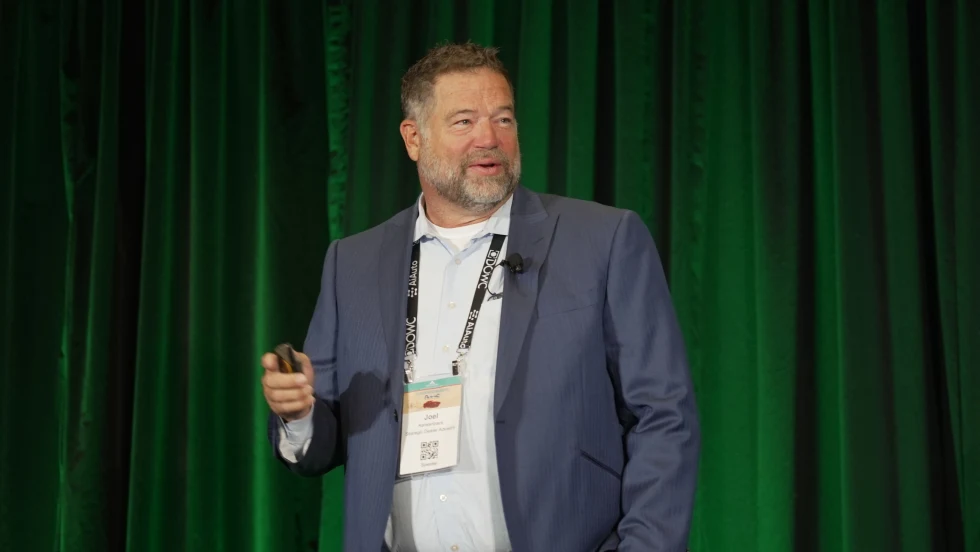
Get Ahead of the Change
A strong culture, among other things, will be a key differentiator for auto dealerships as the market speeds ahead to new heights, says industry veteran Joel Kansanback.
Read More →
F&I Without the Handoff
Get more familiar with what your dealer clients are really buying when they entrust you with finance-and-insurance.
Read More →
Affordability Shapes Auto Demand
Auto originations increased 1% in the first quarter, and electric vehicles are rebounding, according to TransUnion's latest credit report.
Read More →
The Evolution of Agency Development in Modern F&I
General agents have a different roadmap for success than their predecessors. It will pay for them to follow it in order to be true dealer partners.
Read More →
Four-Figure Loan Payments on the Rise
A LendingTree analysis found that location, age and credit score play a role in the rising amount of auto loan borrowers who make monthly payments of $1,000 or more.
Read More →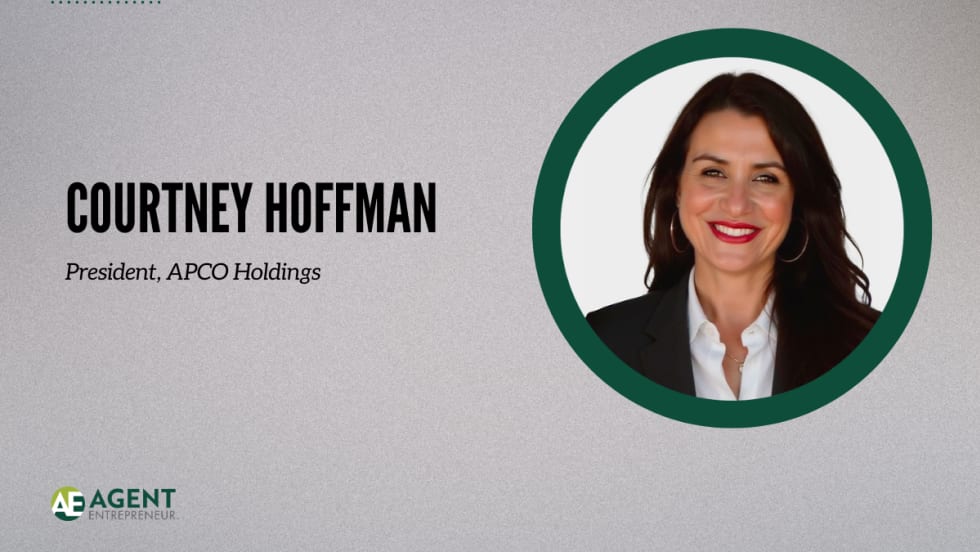
APCO Holdings Acquires Fidelity Dealer Services
The finance-and-insurance product provider says the addition strengthens EasyCare’s reach across key markets.
Read More →
Tariffs Could Raise Insurance Premiums
As U.S. import tariffs affect repair costs, consumers might find it more affordable to replace a damaged vehicle, according to recent Insurify tariff analysis.
Read More →
Smaller Loans, Longer Terms
The youngest generation of car buyers is more likely to finance less expensive vehicles, more than half of generation Z consumers borrowing less than $25,000.
Read More →
Ensure Your Clients Are Sure About Reinsurance
Industry experts recently broke down the complicated profit center at Agent Summit. Learn what’s relevant and what’s new to share with your dealers.
Read More →