



F&I Trends in the Headlights
The pandemic has been extremely impactful on automotive; Yet despite all this change, the industry marches forward as strong and resilient as ever.

The pandemic has been extremely impactful on automotive; Yet despite all this change, the industry marches forward as strong and resilient as ever.
IMAGE: Getty
Just as the industry appeared to be getting back to some semblance of normal, with auto sales taking place on dealer lots across the country, the rising tide of new Delta variant cases is beginning to upend what was becoming a more normal, and better, year than 2020. In fact, in late July we celebrated our first in-person F&I agent training session in more than a year in a half and were struck by just how much energy and excitement there was. While some of it can be attributed to how long we’d been apart, the event’s vibrancy highlighted just how much different and effective face-to-face engagements can be.
Now that buyers have been exposed to the process, many prefer to go through F&I online at a speed with which they’re more comfortable.
It was during these in-person discussions where we shared our varied experiences during this tumultuous year and uncovered new industry trends and confirmed others. So far, 2021 has produced per retail revenues not seen at an industry level in quite some time, including a large variety of models selling or even dealer trading well above MSRP. One might naturally assume customers would no longer want to pay more for aftermarket products or services. Oddly, the opposite has been true. Not only are the products per retail counts up across the market, F&I grosses are too.
On a more logical front, we are also seeing dealerships having to transition traditional new car buyers to late model, low mileage used vehicles as new vehicle inventories remain tight due to the chip shortage, bringing about an increased demand for CPO programs from our dealer partners.
Another trend we’re seeing is a shift away from holistic Bumper to Bumper, Inclusionary, and Powertrain policies. Increasingly, new model vehicles are introduced with multi-level amenity and capability packages, so look for F&I products to get further detailed in their coverages. No longer can one policy necessarily serve a singular make and model, when it may have any of four different transmissions, two different engines, and all manners of amenity packages. With the amount of information available to customers at an all-time high, customers can now match F&I products to models before ever entering a dealership. Additionally, sales of non-traditional terms such as unlimited mileage have been extremely popular this year.
We can also expect the continued growth of digital retailing and F&I. We are not going back to the way it was. Even prior to Covid, buyers did most of their research online, only to come into the dealership to make the purchase. However, that process was still hours-long through F&I and final sale. With COVID, dealers were forced to complete the transaction online, going through F&I offerings and sales remotely — a trend that accelerated last year. Now that buyers have been exposed to the process, many prefer to go through F&I online at a speed with which they’re more comfortable.
Providing F&I information earlier in the sales process, whether online or in-person, is another trend worth watching. Customers increasingly want to buy the policies they feel they need, and not to be sold something the dealer wants to sell. The early introduction of F&I allows them to educate themselves on what they want, leading them to be more willing to purchase. Early introduction of products also allows for the introduction of more product offerings and with more detail. Increased transparency, including pricing, throughout the process keeps the customer from ever feeling an “oh there’s the catch” moment.
Finally, as EVs become the norm, we expect to see software policies in some form somewhere on the horizon. EVs will increasingly be fixed remotely via software updates, until of course, the manufacturer determines they’re too old for the new software – much like today’s cell phones. Then there will be a growing need for software policies for older vehicles no longer supported by the manufacturer.
As has been illustrated, the pandemic has been extremely impactful on the auto retailing industry, spawning new sales practices, highlighting new trends, and accelerating the adoption of others. Yet despite all this change, the industry marches forward as strong and resilient as ever. And we can’t wait for what the rest of the year brings.
Jason Garner is AUL Corp.’s senior vice president of strategic product development.
More F&I

To Include Products in the First Pencil or Not
In this month's Under the Hood, Editor Hannah Mitchell examines a question many auto dealers have been asking since Federal Trade Commission enforcement intensified this year.
Read More →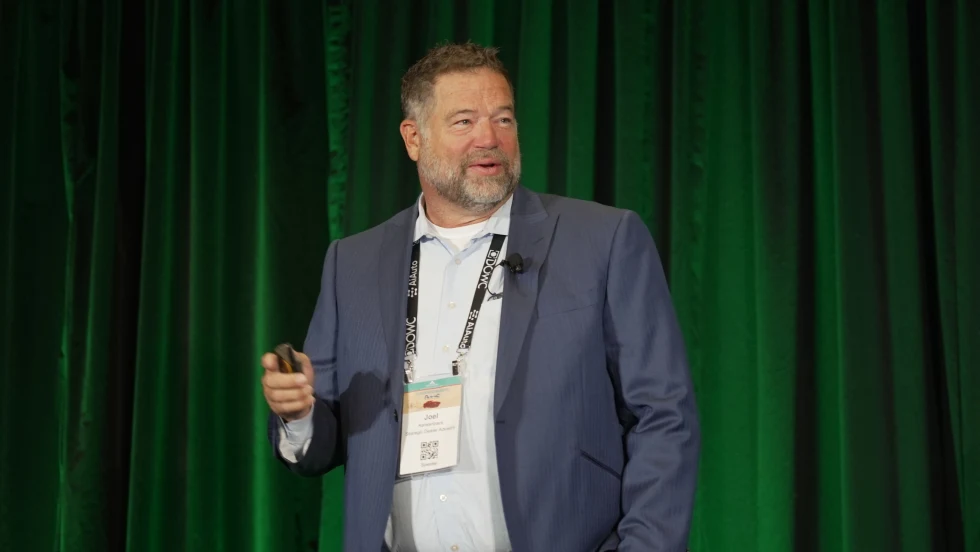
Get Ahead of the Change
A strong culture, among other things, will be a key differentiator for auto dealerships as the market speeds ahead to new heights, says industry veteran Joel Kansanback.
Read More →
F&I Without the Handoff
Get more familiar with what your dealer clients are really buying when they entrust you with finance-and-insurance.
Read More →
Affordability Shapes Auto Demand
Auto originations increased 1% in the first quarter, and electric vehicles are rebounding, according to TransUnion's latest credit report.
Read More →
The Evolution of Agency Development in Modern F&I
General agents have a different roadmap for success than their predecessors. It will pay for them to follow it in order to be true dealer partners.
Read More →
Four-Figure Loan Payments on the Rise
A LendingTree analysis found that location, age and credit score play a role in the rising amount of auto loan borrowers who make monthly payments of $1,000 or more.
Read More →
APCO Holdings Acquires Fidelity Dealer Services
The finance-and-insurance product provider says the addition strengthens EasyCare’s reach across key markets.
Read More →
Tariffs Could Raise Insurance Premiums
As U.S. import tariffs affect repair costs, consumers might find it more affordable to replace a damaged vehicle, according to recent Insurify tariff analysis.
Read More →
Smaller Loans, Longer Terms
The youngest generation of car buyers is more likely to finance less expensive vehicles, more than half of generation Z consumers borrowing less than $25,000.
Read More →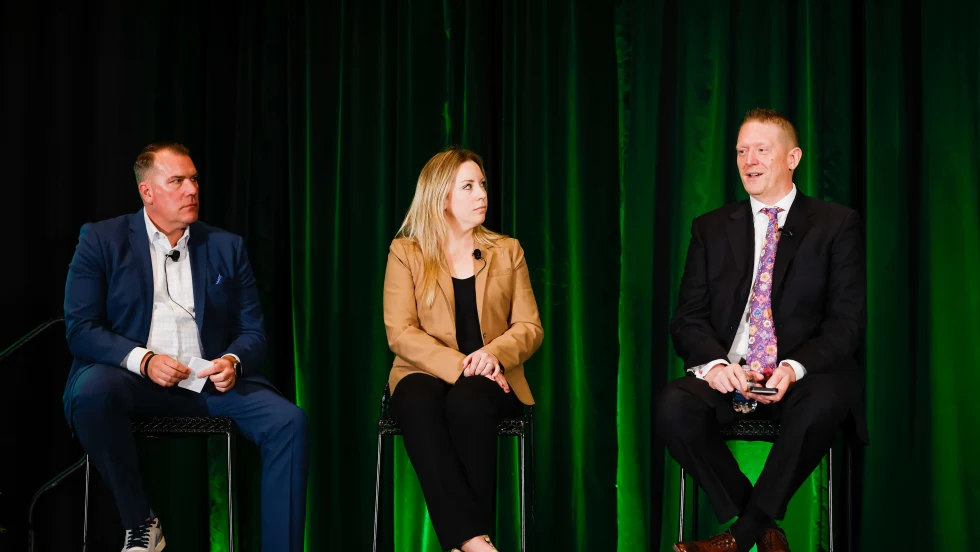
Ensure Your Clients Are Sure About Reinsurance
Industry experts recently broke down the complicated profit center at Agent Summit. Learn what’s relevant and what’s new to share with your dealers.
Read More →