



Disparate Impact: F&I Rates and Products
A recent and rather extreme case may serve as a lesson of what can be expected from the CFPB in the future.

A recent and rather extreme case may serve as a lesson of what can be expected from the CFPB in the future.
IMAGE: GettyImages.com
Conventional wisdom is that the new director of the Consumer Financial Protection Bureau (CFPB) — who previously worked at the CFPB during the tenure of Director Richard Coudray — favors the use of the disparate impact theory as an enforcement tool to combat discrimination. In fact, in October 2019 he submitted a six-page comment to the Department of Housing and Urban Development opposing a proposed rule that would amend the interpretation of the disparate impact standard and, in his view, weaken enforcement against discrimination. Historically, while under prior CFPB Director Richard Codray, this practice was prevalent; the CFPB stopped pursuing disparate impact theory cases under Acting Director Mulvaney and former Director Kraninger. All this becomes relevant in the context of fair lending and, in particular, in the automotive industry, in connection with the setting, adjustment, and implementation of a dealer reserve policy and procedure.
A recent and rather extreme case may serve as a lesson of what can be expected from the CFPB in the future. This particular case was brought by the FTC, but the use of the ECOA and the UDAP sections of the FTC Act to pursue discrimination claims is instructive. The case involved Bronx Honda and included a laundry list of bad acts as follows: a) there was no policy regarding dealer reserve; b) the general manager of the store instructed employees to charge African-American and Hispanic customers higher markups and additional fees stating that these consumers have limited education; c) Bronx Honda failed to disclose the amount of required down-payment, terms of repayment, and the APR in advertisements; d) Bronx Honda assessed a charge for either an additional warranty or a “certification” for the sale of vehicles designated “certified pre-owned Honda” when American Honda prohibits such practice; e) Bronx Honda assessed a “dealer prep” or “reconditioning” fees for advertised certified pre-owned vehicles; f) Bronx Honda charged up to $695 in documentation fees (New York has a $75.00 cap on this fee); g) Bronx Honda added sales tax and certain fees twice; and h) Bronx Honda added “air money” (a practice to increase an agreed-upon number to a higher amount) when transferring agreed-upon amounts for price and fees from the four-square to the retail installment sales contract.
As noted above, Bronx Honda had no dealer reserve policy or procedure for dealer reserve aside from the instruction to charge African-American and Hispanic customer higher markups. The first step in addressing this issue is to establish a credit policy such as charging “x” amount of basis points over the buy rate for credit scores within a certain range. Any deviation from the established credit policy needs to be documented in writing and for a valid business purpose. The National Automotive Dealers Association (NADA) has produced Fair Credit guidelines and, of course, there are compliance management systems (CMS) which directly address processes and procedures for fair lending. In this case, African-American Bronx Honda customers paid approximately 19 basis percentage points more and Hispanic borrower paid approximately 24 basis percentage points more in interest than non-Hispanic white customers. Non-Hispanic white borrowers either did not receive any markup or even received a contract below the buy rate established by the finance source almost twice as many times as African-American or Hispanic borrowers. The FTC alleged that the Bronx Honda dealer reserve pricing was not justified by any business necessity. The same approach should be used for F&I product pricing. For example, the NADA has issued a model dealership policy, similar to its Fair Credit guidelines, for F&I product pricing called voluntary product pricing (VPP). Any deviation from the VPP, such as charging a lower rate for voluntary products than the established VPP, must be documented in writing and for a valid business purpose just like the Fair Credit guidelines.
All of this added up to Bronx Honda and its general manager paying $1.5 million to settle the FTC claims. Issues such as setting standards for interest rate pricing and voluntary product pricing and specifically identifying acceptable written reasons for departure from standard credit policy pricing are simple to implement and required in the fair lending arena. As a practical matter, fair lending is good for business and reputation, and discrimination against any protected class of individuals should not be tolerated under any circumstances. Given the CFPB’s director’s stated intent, it is reasonable to expect that the ECOA-based or UDAP-based disparate impact discrimination cases to rise. As the Bronx Honda case had proven, an ounce of prevention in the form of a CMS is worth $1.5 million of cure.
Stay safe out there.
Content provided in this article is intended for informational purposes only and should not be construed as legal advice and should not be relied upon or acted upon without retaining counsel to provide specific legal advice based upon your particular situation, jurisdiction and circumstances. No duties are assumed, intended or created by this communication. No attorney-client relationship is being created by your review or use of this material.
© 2021 Robert J. Wilson, All Rights Reserved
Robert J. Wilson, Esquire (Bob) is a Philadelphia lawyer and is general counsel for ARMD Resource Management Group. Bob’s practice is largely in the consumer finance space, and he regularly consults with lenders and contributes articles on various compliance-related issues.
More F&I
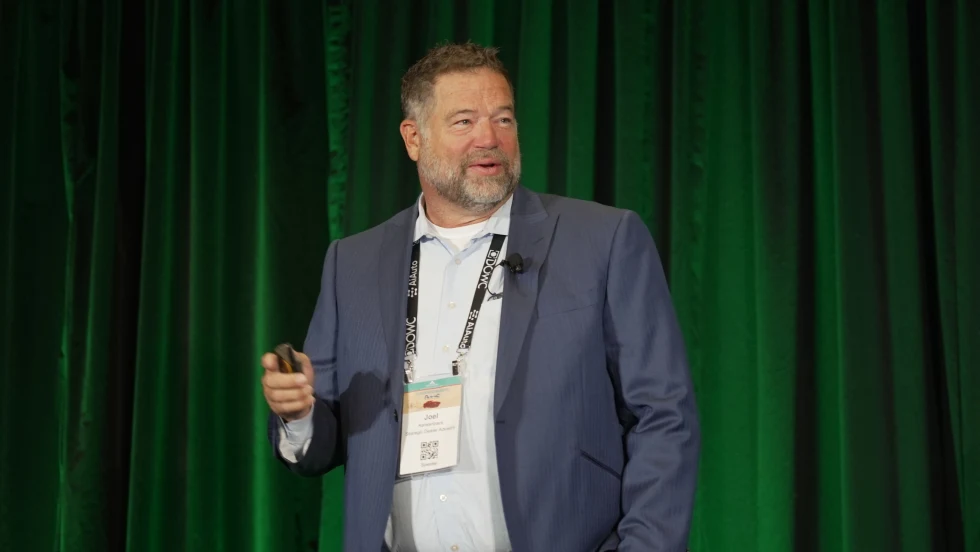
Get Ahead of the Change
A strong culture, among other things, will be a key differentiator for auto dealerships as the market speeds ahead to new heights, says industry veteran Joel Kansanback.
Read More →
F&I Without the Handoff
Get more familiar with what your dealer clients are really buying when they entrust you with finance-and-insurance.
Read More →
Affordability Shapes Auto Demand
Auto originations increased 1% in the first quarter, and electric vehicles are rebounding, according to TransUnion's latest credit report.
Read More →
The Evolution of Agency Development in Modern F&I
General agents have a different roadmap for success than their predecessors. It will pay for them to follow it in order to be true dealer partners.
Read More →
Four-Figure Loan Payments on the Rise
A LendingTree analysis found that location, age and credit score play a role in the rising amount of auto loan borrowers who make monthly payments of $1,000 or more.
Read More →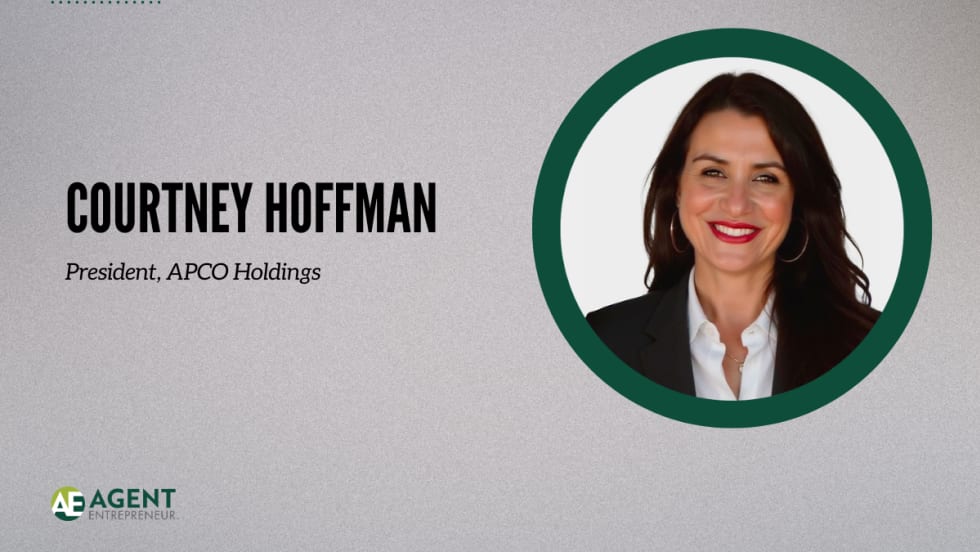
APCO Holdings Acquires Fidelity Dealer Services
The finance-and-insurance product provider says the addition strengthens EasyCare’s reach across key markets.
Read More →
Tariffs Could Raise Insurance Premiums
As U.S. import tariffs affect repair costs, consumers might find it more affordable to replace a damaged vehicle, according to recent Insurify tariff analysis.
Read More →
Smaller Loans, Longer Terms
The youngest generation of car buyers is more likely to finance less expensive vehicles, more than half of generation Z consumers borrowing less than $25,000.
Read More →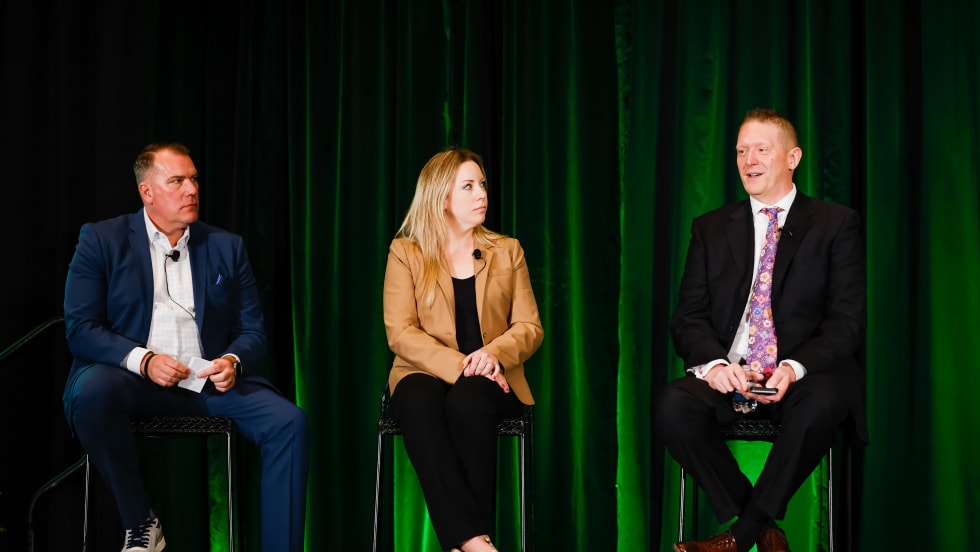
Ensure Your Clients Are Sure About Reinsurance
Industry experts recently broke down the complicated profit center at Agent Summit. Learn what’s relevant and what’s new to share with your dealers.
Read More →
Car Loans More Plentiful
May access opens up, as risk segments figured largely in the increased availability, Cox Automotive reported.
Read More →