



Dealership Labor Laws Have Changed: Update Your Employee Handbook
As rules and regulations evolve, so must your employee handbook. Here is the basis for updating your dealership’s handbook today.
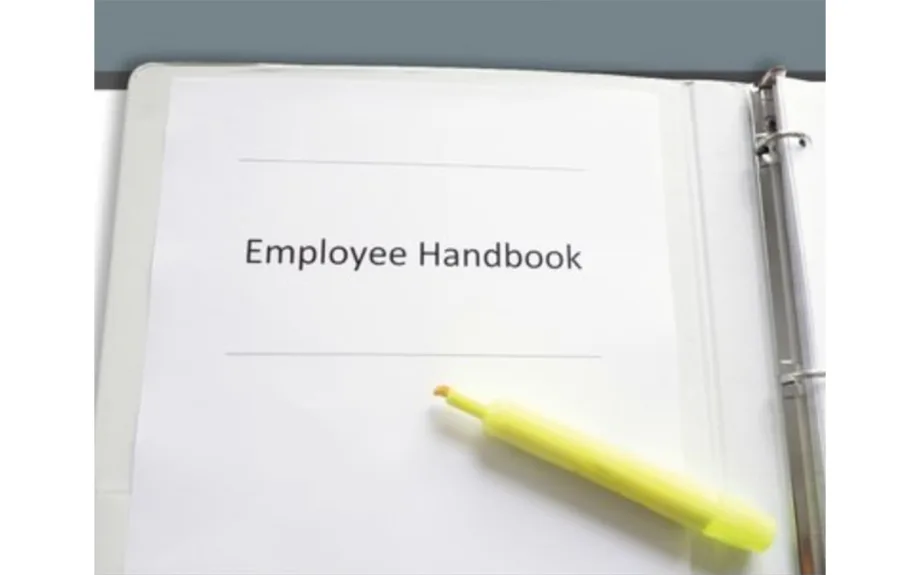
As rules and regulations evolve, so must your employee handbook. Here is the basis for updating your dealership’s handbook today.
Image by ZIMMYTWS via GEttyImages.com
Most dealerships have employee handbooks that are generally provided during new hire orientation. Handbooks provide employees with information about the company, set forth workplace policies and procedures, and summarize employee benefits.
An up-to-date employee handbook can help employers guard against employment claims and provide an effective communications tool to improve employee relations.
Handbooks also serve an important legal purpose by putting employees on notice of the employer’s rules of conduct and expectations for employee behavior and performance. Moreover, handbooks can be used by employers, in administrative and court proceedings, to defend themselves against employment-related claims.
Why Update?
Over the last several years lawmakers have adopted a proliferation of new state laws — as well as local laws — that regulate the workplace, many of which impose obligations on employers that go beyond the requirements of federal law. For example, some states and localities have enacted “Ban-the-Box” laws that prohibit employers from asking applicants about their criminal histories. Salary history bans prohibit employers from asking about or relying on an applicant’s salary history to set compensation.
States have also enacted laws requiring leaves of absence for employees in a variety of situations,including when they are crime victims, bone marrow donors, voters, volunteer firefighters and school conference attendees.
Moreover, numerous states enacted laws approving medical or recreational use of marijuana. At least two jurisdictions prohibit employers from denying employment to applicants who test positive for marijuana or THC.
Employers with operations in multiple locations within a state or in multiple states can be blindsided by employment claims grounded in new state or local laws. At the federal level, the Equal Employment Opportunity Commission scrutinizes employer light duty and reasonable accommodation policies to ensure that pregnant employees are not excluded in violation of the Pregnancy Discrimination Act. The National Labor Relations Board reviews employer rules of conduct to ensure that the rights of non-management employees under federal labor law are not “chilled.”
What Should You Include?
Given the importance of employee handbooks and the evolving legal landscape, what should employers do? As a threshold matter, every employer – regardless of size – should have an employee handbook with basic provisions. Basic provisions include:
A statement that employment with the company is at-will.
A statement of equal employment opportunity and a commitment to nondiscrimination.
An anti-harassment policy prohibiting not only sexual harassment, but, harassment on the basis of any legally protected class, with an internal complaint procedure.
An anti-retaliation policy that prohibits employees, supervisors or managers from retaliating against another employee for harassment or discrimination complaints.
Leave of absence policies for legally mandated forms of leave or those voluntarily adopted by the employer.
A reasonable accommodation policy covering disability, pregnancy, and conflicts between an employee’s religious beliefs or practices and employer policies or rules.
Drug-free workplace and drug testing policies.
Violence in the workplace policies, including the prohibition of weapons in the workplace.
Wage and hour policies, including timekeeping and a prohibition against unapproved overtime.
Rules of conduct, including disciplinary consequences for violations.
Employers may also want to include policies related to the use of electronic communications (internet and email policies), social media policies, appearance and dress codes, and arbitration provisions. For employers with a single location, the handbook should include any provisions, such as leave policies, mandated by the state and locality in addition to federal legal requirements. For employers with multiple locations, the laws of each state and locality should be reviewed to identify legal mandates that should be included in the handbook. Employee handbooks should be reviewed by a legal counsel, experienced in labor and employment law, on at least an annual basis, to ensure that it meets all legal requirements.
In sum, an up-to-date employee handbook can help employers guard against employment claims and provide an effective communications tool to improve employee relations.
Greg Grisham Esq., of counsel in the Fisher Phillips Memphis office, successfully counsels and represents employers in all areas of labor and employment law.
Read: Where F&I Can Help Increase Successful Contactless Auto Transactions
Originally posted on F&I and Showroom
More Industry

War Toll a Damper on Used Auto Prices
Cox Automotive found wholesale depreciation to be elevated in September amid high fuel prices and this year's unusual hurricane season.
Read More →
Bridge the Maintenance Gap
With many drivers missing recommended maintenance, service departments offering transparency and efficiency have a better chance of reaching financially strained consumers.
Read More →
California Store Has New Owner
The longtime dealership in the northern part of the state is known for robust fleet sales and has served the state capital for 115 years.
Read More →
BMW Plant Pursues Cleaner Energy
BMW Group Plant Leipzig has utilized hydrogen to help power its production since 2013, but a new pipeline is planned to take it to another level.
Read More →
Auto Affordability Inches Up
The latest Cox Automotive and Moody’s Analytics index shows a slight increase in new-vehicle affordability despite high prices.
Read More →
Ohio Auto Group Under New Ownership
After 79 years with the Schluter family, Mansfield Auto Group has been acquired by Missouri-based Clement Auto Group.
Read More →
RV Group Expands Carolina Footprint
Blue Compass RV Columbia Northeast is the 13th RV dealership owned by Blue Compass in the Carolinas.
Read More →
Agent Acumen
An Agent Summit panel of people who’ve been supporting auto dealers for years gave both timely and timeless advice for those starting out or mulling the prospect.
Read More →
Missed Maintenance Creates Opportunity
As families get back on the road and into daily school routines, service drives have an opportunity to capture customers who are behind on recommended vehicle maintenance.
Read More →
Mitsubishi Unveils U.S. Plan
The automaker announced a strategy that includes an expanded lineup and dealership presence, along with more ‘rugged’ and electric models.
Read More →