



Compliance at Ground Level


Compliance at Ground Level
As I have stated in virtually every article I have written, your ability to close new business — and keep the business you currently have — is directly proportional to the strength of your (or your agency’s) value proposition to your dealers. In this article, I would like to focus on one area that has garnered a lot of attention over the last few years: regulatory compliance. So, as an agent, how can you help your dealer clients?
1) Become a resource, not an expert.
Take the time to get certified by the Association of Finance & Insurance Professionals (AFIP), and if it’s been a while since your original certification, get re-certified. The base of knowledge this program provides enables you to spot potential compliance issues within a store and have intelligent conversations with the owners about them. In fact, one of my favorite questions to ask a dealer is, “What’s more important, what you make or what you keep?” In the area of compliance, bad internal processes (whether on the sales side or the F&I side) may provide short-term gains, but if they result in any type of legal or regulatory action, it’s going to get costly. Focus on becoming a resource, not an expert. It is not your place to give legal advice; rather, you should focus on being a resource to guide your customers in the right direction.
2) Develop a list of best practices and encourage the dealer to adopt them.
When making recommendations to your customers, keep the following three elements in mind: They must be legal, they must be moral and they must be ethical. It may seem obvious, but sometimes common sense doesn’t always rule the day. The daily grind to “make the numbers” sometimes clouds the judgment of otherwise good people. Your role is to question what you see, and remember: If a policy, practice or procedure doesn’t seem right to you, it probably isn’t.
My suggestion for the No. 1 best practice for any dealership is to handle complaints promptly.
All too often, customer complaints or requests to cancel purchases are ignored, dismissed or slow-walked. No matter what the source of the complaint, passing time and a lack of response make for a volatile situation. When a customer has a concern and they take the time to call, email or stop by the dealership, it’s safe to assume they’re not happy. If they’re simply dissatisfied or unhappy, it’s relatively easy to address and solve the issue.
When you ignore a person who is predisposed to being unhappy, you make them angry. Once a person gets to this stage, it is no longer about satisfying them. You have to try to guess what they think they can get above and beyond their initial concern. It’s still not too late to satisfy this consumer, but it will likely to cost you something extra.
When you fail to address the angry customer, they escalate to the final stage: emotional investment. When you find yourself dealing with an emotionally invested customer, it’s no longer about satisfaction, it’s about getting even. These types of customers lead the charge for bad publicity, legal action and even class-action lawsuits. When things get to this level, the cost of refunding the original product or service is a small fraction of the potential cost to the dealership.
My next best practice would be to make AFIP certification an employment requirement for F&I managers.
Why? There are a few reasons. First, it ensures the F&I managers know what’s right and, more importantly, what’s wrong. Secondly, it affords the dealer a measure of insulation against the bad acts of a rogue employee. Should some legal action occur due to the actions of these individuals, they may be separated from the dealership and forced to defend themselves against the charges.
Along these same lines, my next best practice would be to have a written and signed F&I Code of Ethics document in the personnel file of each employee working in the store and keep them on file for at least five years after the individual leaves the store. This Code of Ethics clearly defines what is acceptable and, more importantly, what is not acceptable within the dealership. It should clearly state that any representative of the organization agrees to operate in a manner consistent with the applicable rules, laws and regulations governing the F&I transaction.
Understanding the power of the pay plan is the next best practice. What is a pay plan? Simply put, it’s a job description, and if that job description encourages bad behavior in the dealership, it leaves the dealer exposed. There are a number of quality pay plans out there, but the better ones are easy to understand, encourage product sales while minimizing the focus on F&I reserve and have an element of customer satisfaction included.
Avoid potentially predatory or discriminatory sales practices. In today’s environment, it’s all about customer value. Here are some recommendations to help ensure your practices are sound:
Double-check for duplicate or unnecessary coverages.
Use fixed product mark ups, make sure they are reasonable and document any variances.
Provide proper disclosure of product terms, conditions and exclusions.
Match product terms and features to customer needs.
3) Finally, encourage the people in the dealership to use common sense and good judgment. You don’t have to be a legal scholar to recognize unfair or deceptive trade practices in a car store. If you see something in one of your accounts and you’re not sure if it’s a good (read: compliant) practice, it probably isn’t.
A good agent looks out for the F&I department in the stores they work with. A great agent looks out for the entire dealership, including sales, service and compliance.
Just a final thought, if you think the focus on compliance is going to pass, keep this in mind: About 15 years ago, several dealership personnel were convicted of felonies for things they did to customers in a car store. Since that time, there have been numerous high-profile cases, large fines and terrible exposure for auto dealers. With the advent of the CFPB, the focus has only become sharper. As an individual, you have two choices: You can shout at the rain or you can grab an umbrella. I advise you to grab your umbrella.
Disclaimer: This article is not designed to provide legal advice; in fact, it is a look at the current automotive retail marketplace from a layperson’s perspective.
More F&I
Get Ahead of the Change
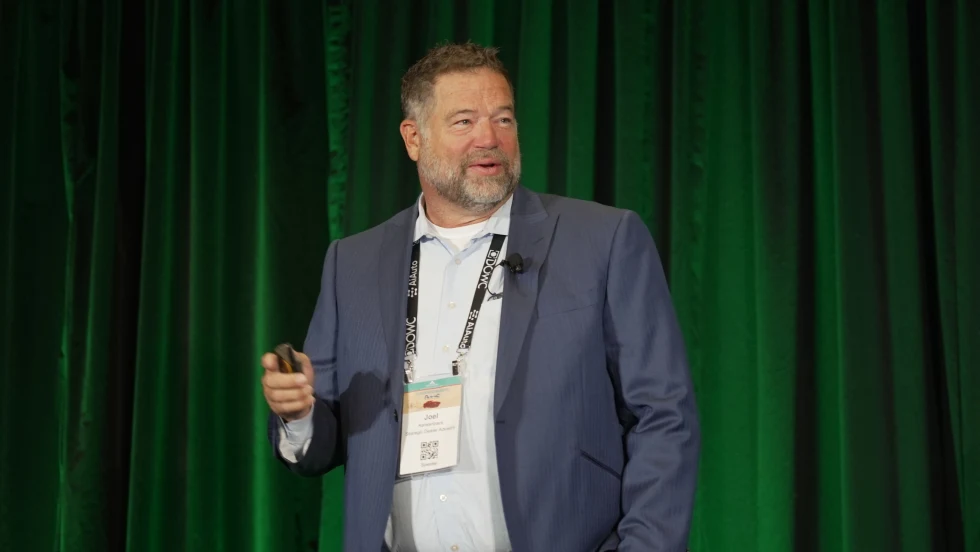
A strong culture, among other things, will be a key differentiator for auto dealerships as the market speeds ahead to new heights, says industry veteran Joel Kansanback.
Read More →
F&I Without the Handoff
Get more familiar with what your dealer clients are really buying when they entrust you with finance-and-insurance.
Read More →
Affordability Shapes Auto Demand
Auto originations increased 1% in the first quarter, and electric vehicles are rebounding, according to TransUnion's latest credit report.
Read More →
The Evolution of Agency Development in Modern F&I
General agents have a different roadmap for success than their predecessors. It will pay for them to follow it in order to be true dealer partners.
Read More →
Four-Figure Loan Payments on the Rise
A LendingTree analysis found that location, age and credit score play a role in the rising amount of auto loan borrowers who make monthly payments of $1,000 or more.
Read More →
APCO Holdings Acquires Fidelity Dealer Services
The finance-and-insurance product provider says the addition strengthens EasyCare’s reach across key markets.
Read More →
Tariffs Could Raise Insurance Premiums
As U.S. import tariffs affect repair costs, consumers might find it more affordable to replace a damaged vehicle, according to recent Insurify tariff analysis.
Read More →
Smaller Loans, Longer Terms
The youngest generation of car buyers is more likely to finance less expensive vehicles, more than half of generation Z consumers borrowing less than $25,000.
Read More →
Ensure Your Clients Are Sure About Reinsurance
Industry experts recently broke down the complicated profit center at Agent Summit. Learn what’s relevant and what’s new to share with your dealers.
Read More →
Car Loans More Plentiful
May access opens up, as risk segments figured largely in the increased availability, Cox Automotive reported.
Read More →