



Can I Get Your Number?


Can I Get Your Number?
Back in the old days, before the advent of modern communication such as Facetime, WhatsApp, Skype and many other platforms, the only real social media platform was the telephone. Asking someone for their phone number was a right of passage which either ended up in joy or disaster when you received (or did not receive) someone’s phone number.
Of course, sometimes you might end up with a phone number that does not belong to the person, if you were asking Elaine in a “Seinfeld” episode. (How quaint, I know.) You might be asking yourself exactly what this trip down memory lane has to do with selling cars. Well, in 2017, the issue of express consent when asking for someone’s cell phone number continues to be very important, and agents can play a key role in keeping their dealers in compliance.
Match the Consent to the Message
The Telephone Consumer Protection Act (TCPA) generally prohibits a dealership employee from making a call (or sending a text) to a consumer’s mobile phone without their prior express consent (while using an automatic telephone dialing system or artificial or prerecorded voice). For purposes of this article, I am going to stick to the consent issue and not address autodialer-related issues. So what type of consent is required before calling a consumer’s cell phone?
The type of consent depends on the type of message. If the telephone call is not a telemarketing call but is purely informational, then only prior express consent is required. Examples of purely informational calls would be a school closing call, a fraud alert call or airline notification calls. If the call is a telemarketing call, then prior express written consent is required.
Telemarketing calls typically offer and market goods or services to consumers or seek to induce consumers to make a purchase of goods or services in the future. If the call is a mix of non-telemarketing and telemarketing, then prior express written consent is required. Some calls fall outside these two categories (i.e. purely informational or telemarketing) such as political calls (no more, please!), surveys or debt collection calls.
Assuming written consent is required, what sort of information should be considered for inclusion? Consider including the following:
The specific company to which consent is given
The consumer’s phone number
Clear evidence of consent
Clear and conspicuous disclosure that consent permits the seller to send telemarketing messages
Disclosure that the calls will be made with automatic telephone technology
Disclosure that consent is not required to purchase products or services
The customer’s electronic or written signature
What’s the Damage?
The TCPA provides for uncapped statutory damages of $500 per violation, which is tripled to $1,500 per violation for willful violations. There has been a large increase in TCPA actions, from 14 in 2007 to 3,710 in 2015. The lawsuits span many different industries due to the possibility of high class-action statutory damages and have included such notable companies as Twitter, CVS and the Buffalo Bills, to name a few. In Illinois, final approval has been given to a $75.5 million TCPA class-action suit against Capital One and its affiliates.
So what is the takeaway here? Compliance with the TCPA is necessary, and noncompliance can be very costly. Your dealers must obtain prior written consent before communicating any telemarketing message or text. They should also require all their service providers to be TCPA-compliant. If one of your dealers’ service providers violates the TCPA, the dealer can be vicariously liable.
Finally, consider an opt-out mechanism to allow your dealer clients’ customers to revoke consent from future telemarketing. Retain consent records for four years; this is the statute of limitations for TCPA actions. And keep in mind that if someone tells you their phone number is 867-5903, you can safely assume they do not want you to call them — unless their name is Tommy Tutone!
More Industry
War Toll a Damper on Used Auto Prices
Cox Automotive found wholesale depreciation to be elevated in September amid high fuel prices and this year's unusual hurricane season.
Read More →
Bridge the Maintenance Gap
With many drivers missing recommended maintenance, service departments offering transparency and efficiency have a better chance of reaching financially strained consumers.
Read More →
California Store Has New Owner
The longtime dealership in the northern part of the state is known for robust fleet sales and has served the state capital for 115 years.
Read More →
BMW Plant Pursues Cleaner Energy
BMW Group Plant Leipzig has utilized hydrogen to help power its production since 2013, but a new pipeline is planned to take it to another level.
Read More →
Auto Affordability Inches Up
The latest Cox Automotive and Moody’s Analytics index shows a slight increase in new-vehicle affordability despite high prices.
Read More →
Ohio Auto Group Under New Ownership
After 79 years with the Schluter family, Mansfield Auto Group has been acquired by Missouri-based Clement Auto Group.
Read More →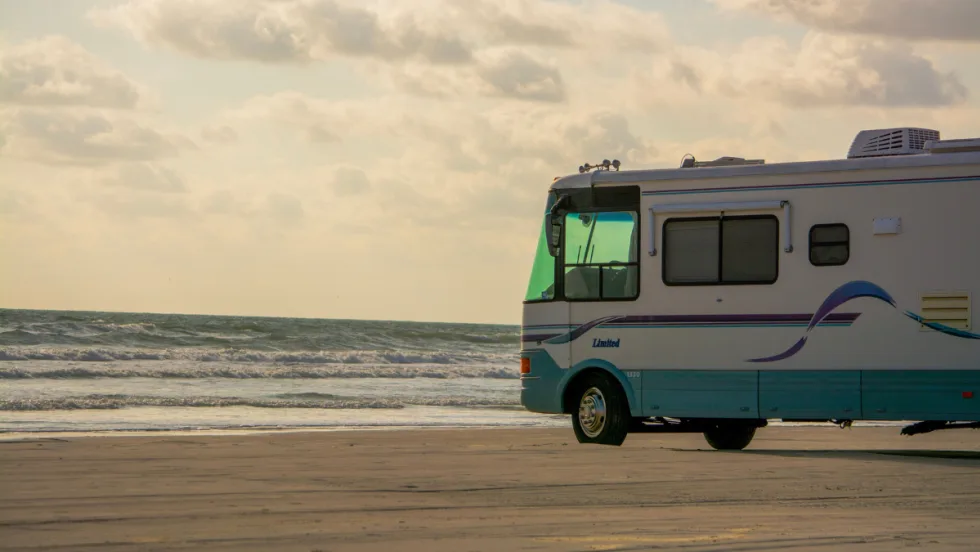
RV Group Expands Carolina Footprint
Blue Compass RV Columbia Northeast is the 13th RV dealership owned by Blue Compass in the Carolinas.
Read More →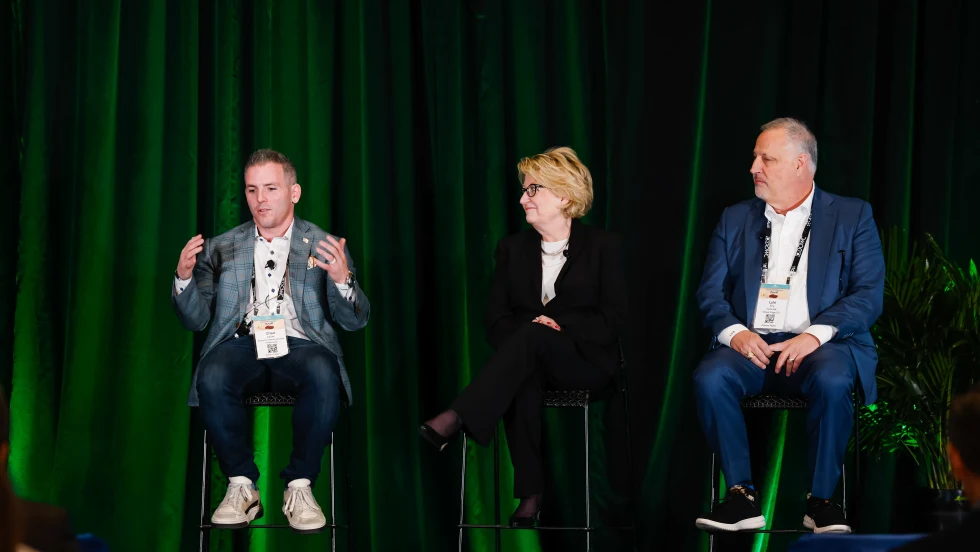
Agent Acumen
An Agent Summit panel of people who’ve been supporting auto dealers for years gave both timely and timeless advice for those starting out or mulling the prospect.
Read More →
Missed Maintenance Creates Opportunity
As families get back on the road and into daily school routines, service drives have an opportunity to capture customers who are behind on recommended vehicle maintenance.
Read More →
Mitsubishi Unveils U.S. Plan
The automaker announced a strategy that includes an expanded lineup and dealership presence, along with more ‘rugged’ and electric models.
Read More →