



VW Likely to Overtake Toyota as Top Carmaker in 2011, GM to Remain Second

Volkswagen AG will probably become the world’s biggest carmaker this year, vaulting past Toyota Motor Corp. and General Motors Co. on gains in emerging markets.
The German company’s sales, third among carmakers in 2010, will probably rise 13 percent to 8.1 million vehicles this year, based on the average of three analysts surveyed by Bloomberg. GM sales will gain about 8 percent to 7.55 million, while Toyota will drop 9 percent to 7.27 million, according to the survey.
VW sales in China may rise almost 20 percent in 2011 and more than double in India, according to estimates at researcher J.D. Power & Associates. That’s a contrast to Toyota, which is suspending Southeast Asian plants because of floods in Thailand, months after an earthquake crippled production in Japan.
“Emerging markets are at a stage of car-adoption by consumers and there is still a large space for sales to grow. said Jenny Gu, Shanghai-based senior markets analyst for J.D. Power. ‘‘VW realized this and put a lot of effort on emerging markets.’’
Estimates at J.D. Powers, IHS Automotive and PwC Autofacts were used to calculate the average projections.
Volkswagen had fallen 3.3 percent this year in German trading before today, weighed by concerns about the European debt crisis. Still, that’s a smaller decline than the 34 percent drop at Detroit-based GM and 20 percent at Toyota.
Toyota may regain the lead from VW next year as the recovery of the Japanese company’s facilities from the March earthquake will pave the way for the Toyota City-based automaker to sell 8.4 million cars, or half a million units more than VW, according to research firm IHS Automotive. J.D. Power projects VW will retain its lead in 2012, outselling Toyota by about 50,000 units.
‘‘Growth in China, Europe and the U.S. are major contributors to VW’s expansion but they obviously also benefit from Toyota’s own misfortunes,” said Daniel Schwarz, a Frankfurt-based analyst at Commerzbank AG who recommends buying VW stock. Schwarz forecast the Japanese passenger-car market to increase by a quarter next year after shrinking by about a fifth in 2011.
Wolfsburg, Germany-based VW, which also owns the Audi and Skoda brands, focused on boosting capacity and its network of dealerships as it built its brand in markets such as China and India, Gu said in a telephone interview.
Automakers are turning to developing economies for growth as sales in mature markets slow. China, the world’s second- largest economy, will grow 9.5 percent this year, six times the pace of the U.S. and euro area, according to International Monetary Fund estimates last month. The country is already the biggest auto market globally, with sales exceeding 18 million in 2010.
VW sales in China will probably reach 2.3 million units and 116,000 in India this year, with the two markets accounting for about a third of the company’s sales, according to J.D. Power estimates.
VW, which operates more than 60 factories worldwide, plans to spend a record 62.4 billion euros ($87 billion) -- excluding its ventures in China -- over the next five years to raise annual production to 10 million by 2018. VW’s Chinese joint ventures, which are not consolidated, will invest another 14 billion euros through 2016. The German company may reach the target three years ahead of schedule, according to a person familiar with the matter.
“VW is well positioned in key markets and has about the broadest model portfolio among the top competitors,” said Marc- Rene Tonn, a Hamburg-based analyst with M.M. Warburg, who recommends buying VW stock.
The company has forecast its global sales will increase 5 percent this year after posting a record 7.2 million deliveries in 2010. The German carmaker’s Audi luxury unit overtook Daimler AG’s Mercedes Benz as the world’s second-largest maker of high- end vehicles earlier this year, trailing only BMW AG.
VW, the first overseas carmaker to enter China three decades ago, is planning to add two plants and double production to 3 million cars annually. Audi is considering a new factory there to expand annual manufacturing to as high as 700,000 vehicles by 2015 as luxury demand increases, Dietmar Voggenreiter, its China president said on Oct. 20.
Still, VW faces hurdles with its partnership with Japanese carmaker Suzuki Motor Corp., whose venture in India is the top seller in the market. The German carmaker is also facing delays in a planned merger with Porsche SE.
Suzuki is seeking to end an alliance with its German partner after accusing it of violating a cooperation agreement by not sharing technology. VW has said it plans to keep its stake.
Ending the partnership with Suzuki would undermine the German automaker’s credit assessment, Moody’s Investors Service said in a statement today.
Toyota would be relinquishing its lead after last year’s record recalls, which has led President Akio Toyoda to say his key priorities will be focusing on customer satisfaction and restoring Toyota’s reputation.
Toyota temporarily halted all its plants to assess the impact of the March 11 earthquake and tsunami. Seven months later, the automaker is facing factory closures across Southeast Asia, triggered by Thailand’s worst floods in half a century.
Toyota’s shortfalls paves the way for GM, the biggest U.S. automaker, to gain market share. The Detroit-based automaker is relying on sales in developing nations including China, Brazil and India for growth in the future, Chairman and Chief Executive Officer Dan Akerson said Sept. 21.
GM, which makes Buick and Chevrolet-branded sedans with Chinese partner SAIC Motor Co., sells more cars in China than in its home market. Sales in the nation has topped 2 million vehicles in 2011, the carmaker said on Oct. 17.
Growth in the global auto market will probably accelerate next year, rising 6.5 percent in 2012 after expanding 3.5 percent this year, according to estimates at Moody’s Investors Service.
More Industry

Penske Auto Group Deal a Record
The deal to take the dealership and transportation services company private sets a new pace for industry buy-sell transactions.
Read More →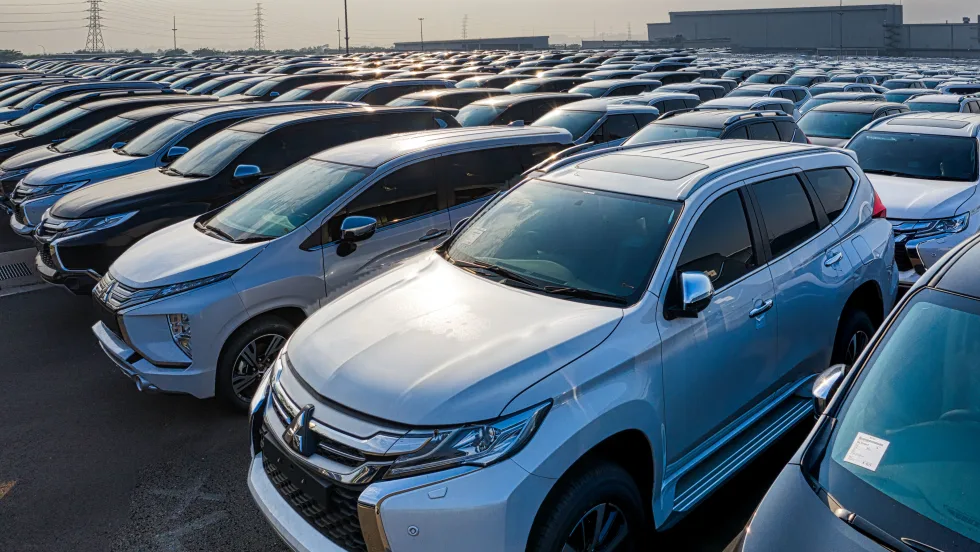
War Toll a Damper on Used Auto Prices
Cox Automotive found wholesale depreciation to be elevated in September amid high fuel prices and this year's unusual hurricane season.
Read More →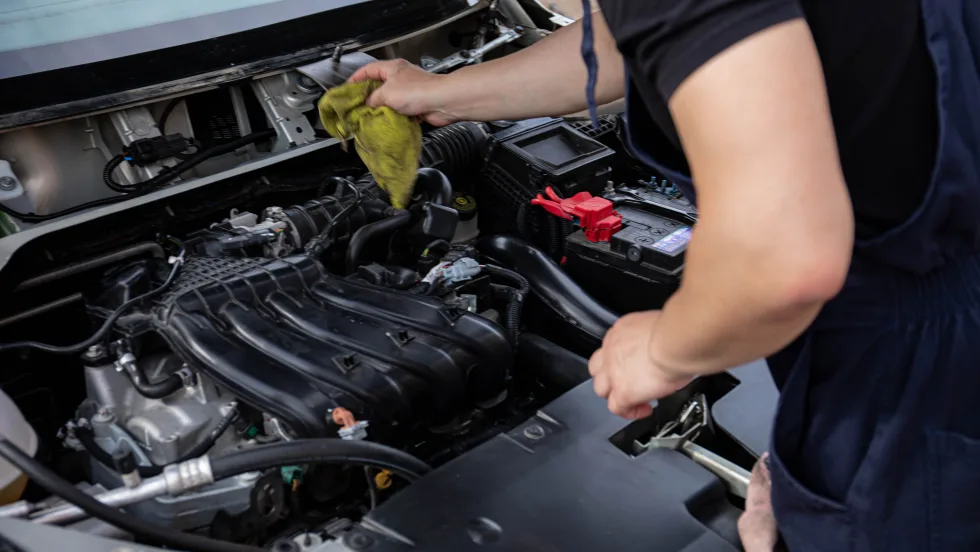
Bridge the Maintenance Gap
With many drivers missing recommended maintenance, service departments offering transparency and efficiency have a better chance of reaching financially strained consumers.
Read More →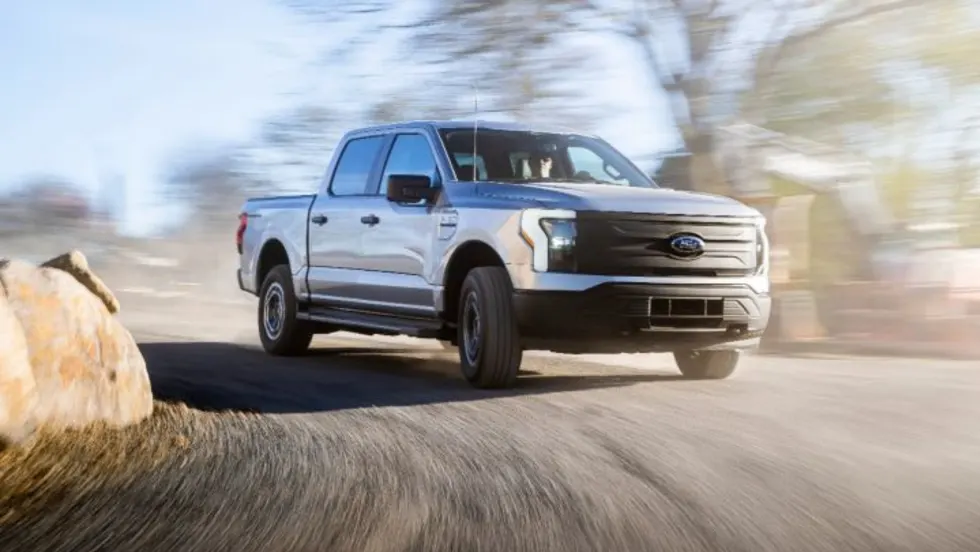
California Store Has New Owner
The longtime dealership in the northern part of the state is known for robust fleet sales and has served the state capital for 115 years.
Read More →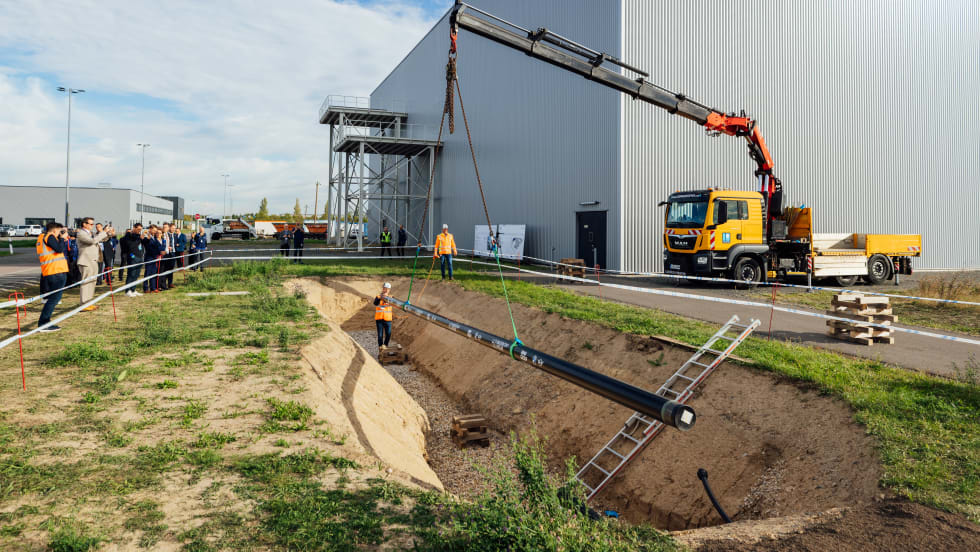
BMW Plant Pursues Cleaner Energy
BMW Group Plant Leipzig has utilized hydrogen to help power its production since 2013, but a new pipeline is planned to take it to another level.
Read More →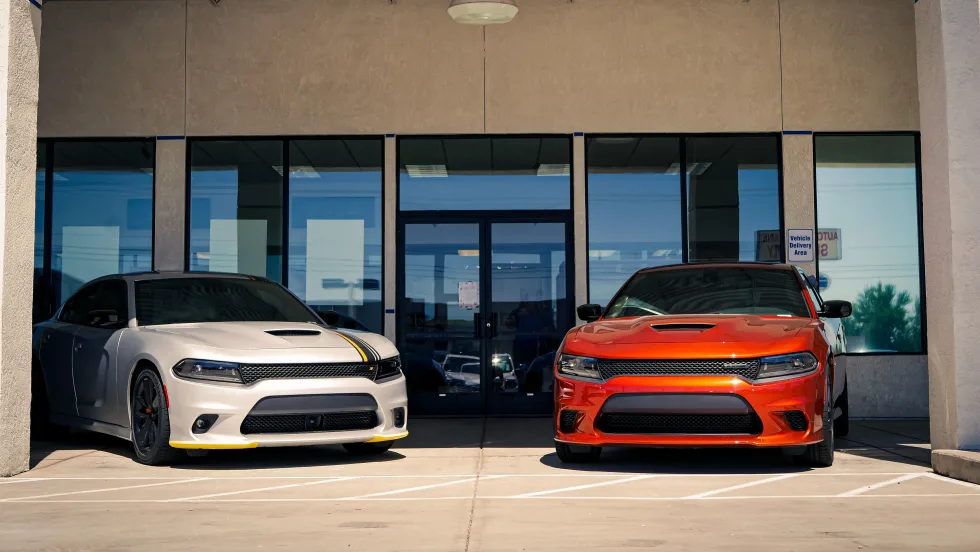
Auto Affordability Inches Up
The latest Cox Automotive and Moody’s Analytics index shows a slight increase in new-vehicle affordability despite high prices.
Read More →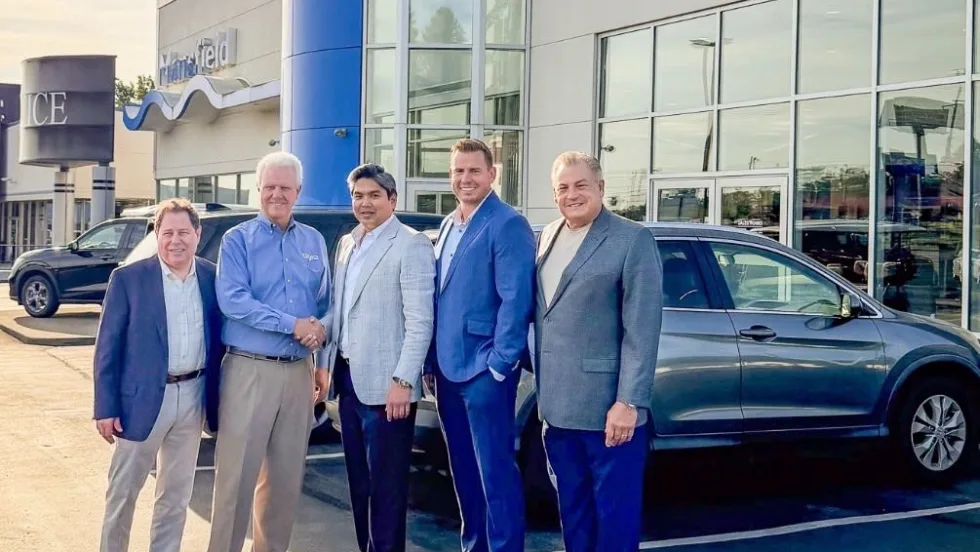
Ohio Auto Group Under New Ownership
After 79 years with the Schluter family, Mansfield Auto Group has been acquired by Missouri-based Clement Auto Group.
Read More →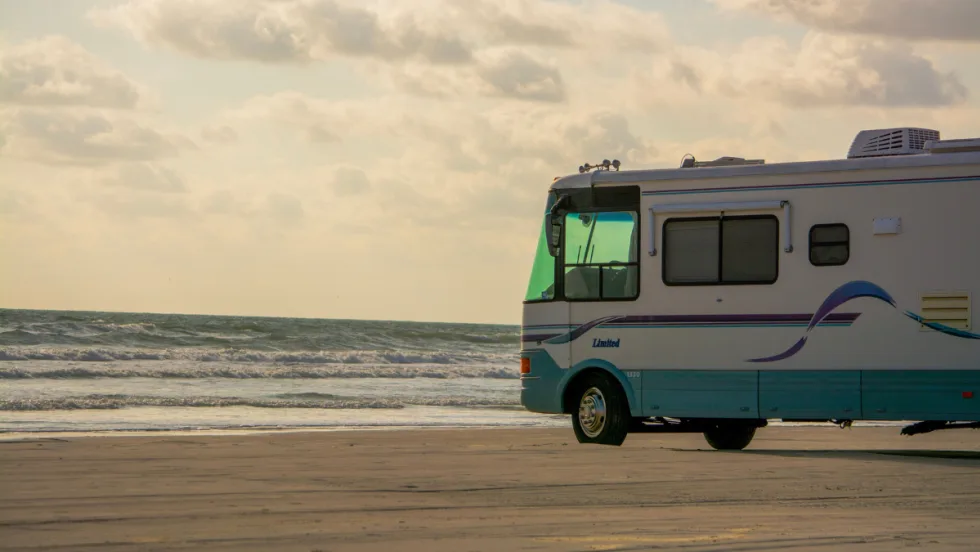
RV Group Expands Carolina Footprint
Blue Compass RV Columbia Northeast is the 13th RV dealership owned by Blue Compass in the Carolinas.
Read More →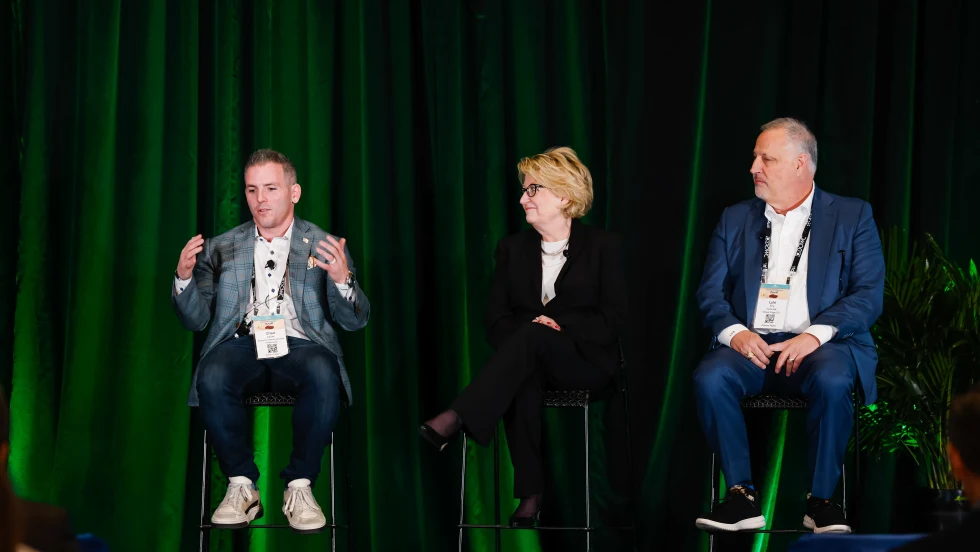
Agent Acumen
An Agent Summit panel of people who’ve been supporting auto dealers for years gave both timely and timeless advice for those starting out or mulling the prospect.
Read More →
Missed Maintenance Creates Opportunity
As families get back on the road and into daily school routines, service drives have an opportunity to capture customers who are behind on recommended vehicle maintenance.
Read More →