



VW Dealers To Get More Crossovers Because of Ukraine Conflict
Volkswagen Group will shift production to China and North America after wire harness and other material shortages from Russia's invasion of Ukraine impact European production.

Volkswagen
The Ukraine-Russia conflict will put more new crossovers on the lots of U.S. Volkswagen dealerships in upcoming months.
CEO Herbert Diess told reporters at a press conference that the German automaker would shift more production to North America and China, at least temporarily, as a result of the war.
The move is expected to increase output from VW-brand plants in Chattanooga and Puebla, Mexico, as well as the Audi plant in San Jose Chiapa, Mexico, all of which assemble crossovers mostly sold in the U.S. Chattanooga produces the VW Atlas and Atlas Cross Sport and builds non-saleable pilot versions of the ID4 battery-electric crossover. Puebla assembles the VW Tiguan and Taos. The Audi plant produces the popular Q5.
VW’s China plants will also benefit, as microchips destined for use in Europe are reallocated to China and North America.
The most significant supply chain constraint at the moment are wire harnesses produced in Ukraine, Diess said. If VW cannot reallocated production (from Germany to other plants) in three to four weeks, the automaker’s outlook will need revision, Diess said.
Diess also warns semiconductor shortages, supply bottlenecks, high commodity prices and the Russia-Ukraine conflict will trim growth in 2022 as challenges mount against the auto industry.
VW brand sold 375,030 vehicles in the U.S. in 2021, up 15% from 2020. About 73% of these sales were crossovers. The automaker captures 2.5% of U.S. auto sales and when sales from other group brands, Audi, Porsche, Bentley and Lamborghini, are included its market share jumps to 10%.
Tom McMenamin, chairman of the VW National Dealer Advisory Council, confirmed dealers will see more North American-built vehicles heading to their lots in 2022. He speculated that getting more crossovers from Chattanooga and Puebla for VW's 638 U.S. dealerships will allow the brand to gain U.S. market share as other automakers struggle with their own supply constraints
Originally posted on Auto Dealer Today
More Industry

Penske Auto Group Deal a Record
The deal to take the dealership and transportation services company private sets a new pace for industry buy-sell transactions.
Read More →
War Toll a Damper on Used Auto Prices
Cox Automotive found wholesale depreciation to be elevated in September amid high fuel prices and this year's unusual hurricane season.
Read More →
Bridge the Maintenance Gap
With many drivers missing recommended maintenance, service departments offering transparency and efficiency have a better chance of reaching financially strained consumers.
Read More →
California Store Has New Owner
The longtime dealership in the northern part of the state is known for robust fleet sales and has served the state capital for 115 years.
Read More →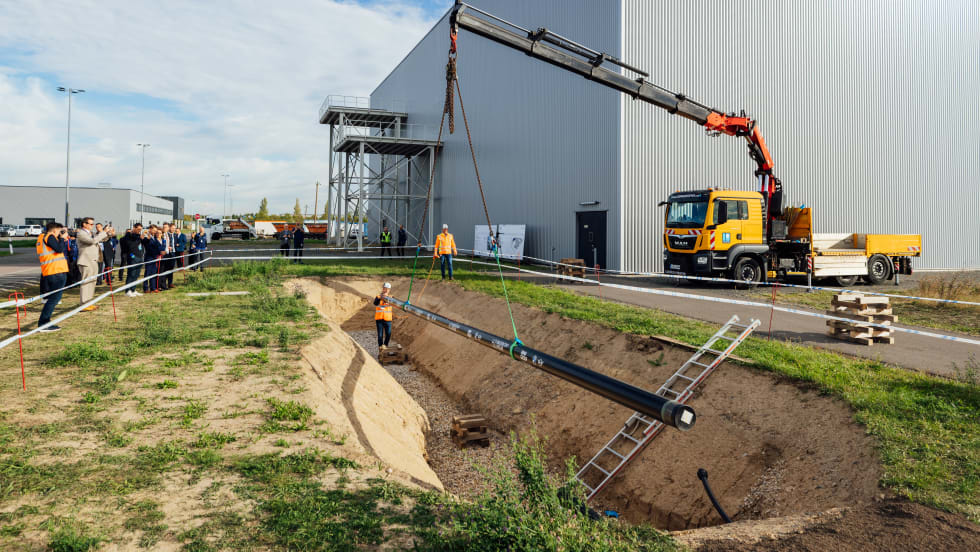
BMW Plant Pursues Cleaner Energy
BMW Group Plant Leipzig has utilized hydrogen to help power its production since 2013, but a new pipeline is planned to take it to another level.
Read More →
Auto Affordability Inches Up
The latest Cox Automotive and Moody’s Analytics index shows a slight increase in new-vehicle affordability despite high prices.
Read More →
Ohio Auto Group Under New Ownership
After 79 years with the Schluter family, Mansfield Auto Group has been acquired by Missouri-based Clement Auto Group.
Read More →
RV Group Expands Carolina Footprint
Blue Compass RV Columbia Northeast is the 13th RV dealership owned by Blue Compass in the Carolinas.
Read More →
Agent Acumen
An Agent Summit panel of people who’ve been supporting auto dealers for years gave both timely and timeless advice for those starting out or mulling the prospect.
Read More →
Missed Maintenance Creates Opportunity
As families get back on the road and into daily school routines, service drives have an opportunity to capture customers who are behind on recommended vehicle maintenance.
Read More →