



Two More Automakers Cross Finish Line in Race to Fulfill Automatic Braking Pledge
Ford/Lincoln and Honda/Acura joined ten other automakers this year in fulfilling a voluntary commitment to equip nearly all the light vehicles they produce for the U.S. market with automatic emergency braking.

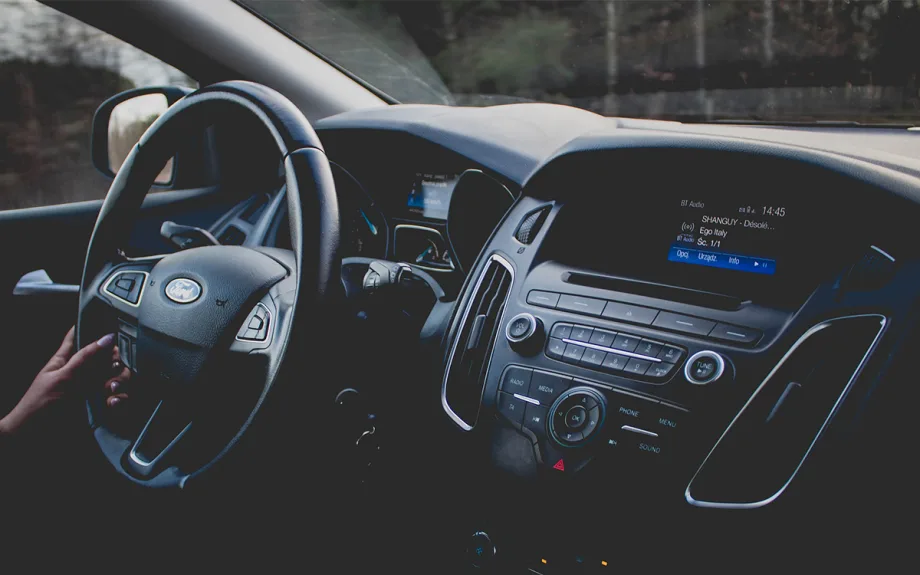
Ford/Lincoln and Honda/Acura joined ten other automakers this year in fulfilling a voluntary commitment to equip nearly all the light vehicles they produce for the U.S. market with automatic emergency braking.
ARLINGTON, Va. – Twelve automakers are ahead of schedule in meeting a voluntary pledge to equip nearly all the light vehicles they produce for the U.S. market with automatic emergency braking (AEB).
Ford/Lincoln and Honda/Acura installed AEB on more than 95 percent of the vehicles they produced between Sept. 1, 2020, and Aug. 31, 2021, joining 10 other automakers that fulfilled the voluntary commitment in previous years. The others to cross the finish line early are Audi, BMW, Hyundai/Genesis, Mazda, Mercedes-Benz, Subaru, Tesla, Toyota/Lexus, Volkswagen and Volvo.
Two additional automakers exceeded the 90 percent threshold. However, five of the 20 participating automakers equipped fewer than three-quarters of their vehicles with AEB.
The 20 manufacturers submit progress reports annually until they meet the target as part of the commitment brokered by the Insurance Institute for Highway Safety and the National Highway Traffic Safety Administration (NHTSA). They pledged to equip at least 95 percent of their light-duty cars and trucks with the crash avoidance technology by the production year beginning Sept. 1, 2022. Light-duty vehicles are those with a gross vehicle weight rating of 8,500 pounds or less.
“The final sprint these lagging automakers are making shows that a rapid rollout of advanced safety features is possible,” says IIHS President David Harkey. “With the Ford and Honda brands hitting the target, this essential safety feature is now on a huge number of affordable, top-selling vehicles.”
Though they fell short of the target, Mitsubishi and Nissan/Infiniti installed AEB on 9 out of 10 vehicles they produced last year. Kia just missed that mark, equipping 89 percent of its vehicles with the technology. Maserati also made big strides, boosting its percentage of AEB-equipped vehicles to 72 percent from 48 percent a year earlier.
The voluntary commitment doesn’t specify phase-in milestones. However, General Motors, Jaguar Land Rover, Porsche and Stellantis — the company created by the recent merger of Fiat Chrysler and Peugeot — will need big gains to meet the 2022-23 target for light-duty vehicles. In the past year, they equipped fewer than two-thirds of the units they produced with AEB systems that meet the performance requirements of the voluntary commitment.
Along with Mitsubishi, two of those companies, Jaguar Land Rover and Stellantis, are among the three that made the most progress in 2021. Mitsubishi raised the portion of its vehicles equipped with AEB to 92 percent from just 39 percent last year. Jaguar Land Rover boosted its tally to 60 percent from 0. Stellantis raised its total to 43 percent from 14 in 2020.
“It is good news for consumers that city-speed AEB now comes standard across most models, but Stellantis, GM and the other lagging companies really need to pick up the pace,” says David Friedman, vice president of advocacy for Consumer Reports. “The next step should be for NHTSA to set standards that ensure all automakers’ AEB systems work effectively at highway speeds and stop for pedestrians, cyclists, and other vulnerable road users both during the day and at night.”
Separate from the manufacturers’ commitment, Consumer Reports also tracks the proportion of models on which AEB is standard equipment across all trim levels, as opposed to their overall production volume. Its latest information shows that several automakers are making city-speed AEB standard equipment on 100 percent of their models, guaranteeing that the technology will be included on all new vehicles.
To fulfill their present commitment, manufacturers must attest that the AEB system on their vehicles meets certain performance standards. The forward collision warning feature must meet a subset of NHTSA’s current 5-Star Safety Ratings program requirements on the timing of driver alerts. The AEB must earn at least an advanced rating in the IIHS vehicle-to-vehicle front crash prevention evaluation. To earn that rating, the system must slow the vehicle by at least 10 mph in either the 12 or 25 mph test or 5 mph in both of the tests.
Many manufacturers’ standard systems earn a superior rating in the IIHS test. A significant portion of new vehicles can also detect and avoid pedestrians — a requirement for the IIHS TOP SAFETY PICK and TOP SAFETY PICK+ awards.
Along with light-duty vehicles, automakers also committed to installing AEB on vehicles with a gross vehicle weight rating of 8,501-10,000 pounds by September 2025. Six automakers reported producing vehicles in that range for the U.S. market in 2021. Among them, Ford equipped three-quarters of its vehicles with AEB, Stellantis 13 percent and Nissan/Infiniti 12 percent.
IIHS expects the voluntary commitment to prevent 42,000 crashes and 20,000 injuries by 2025. The estimate is based on IIHS research that found that front crash prevention systems with both forward collision warning and automatic emergency braking cut rear-end crashes by half.
Originally posted on Auto Dealer Today
More Industry

Penske Auto Group Deal a Record
The deal to take the dealership and transportation services company private sets a new pace for industry buy-sell transactions.
Read More →
War Toll a Damper on Used Auto Prices
Cox Automotive found wholesale depreciation to be elevated in September amid high fuel prices and this year's unusual hurricane season.
Read More →
Bridge the Maintenance Gap
With many drivers missing recommended maintenance, service departments offering transparency and efficiency have a better chance of reaching financially strained consumers.
Read More →
California Store Has New Owner
The longtime dealership in the northern part of the state is known for robust fleet sales and has served the state capital for 115 years.
Read More →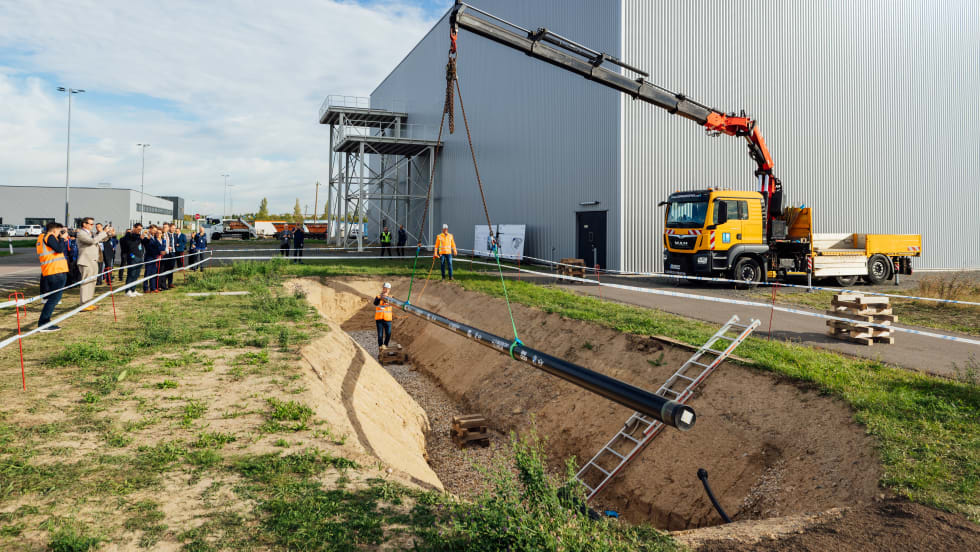
BMW Plant Pursues Cleaner Energy
BMW Group Plant Leipzig has utilized hydrogen to help power its production since 2013, but a new pipeline is planned to take it to another level.
Read More →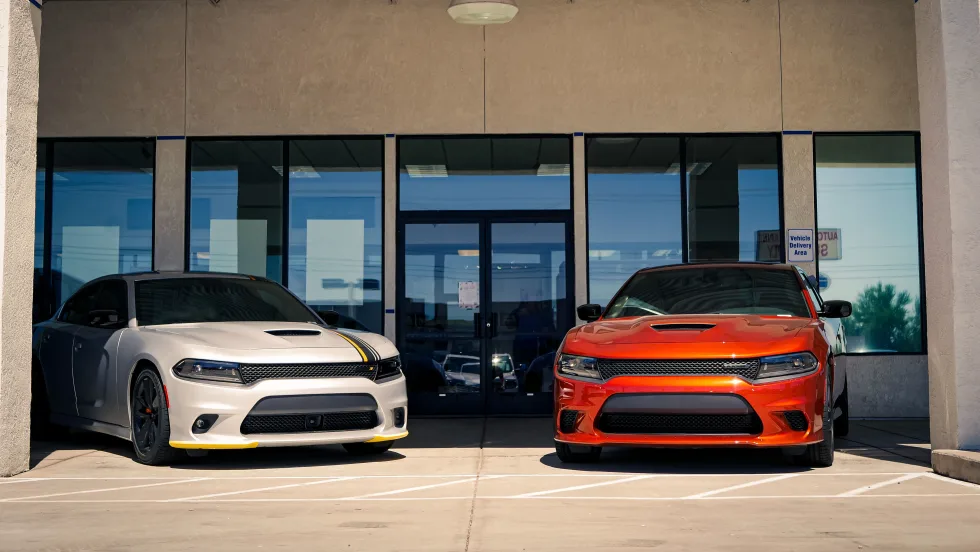
Auto Affordability Inches Up
The latest Cox Automotive and Moody’s Analytics index shows a slight increase in new-vehicle affordability despite high prices.
Read More →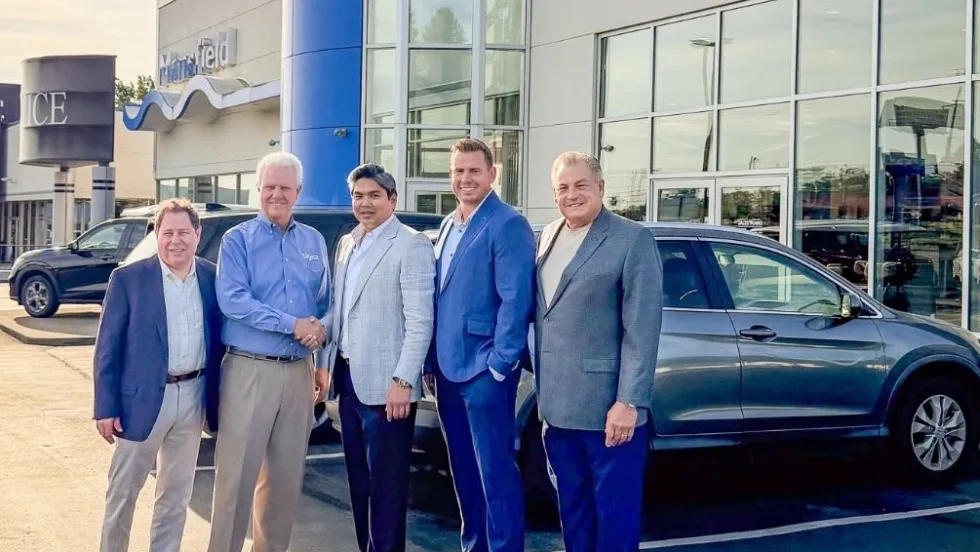
Ohio Auto Group Under New Ownership
After 79 years with the Schluter family, Mansfield Auto Group has been acquired by Missouri-based Clement Auto Group.
Read More →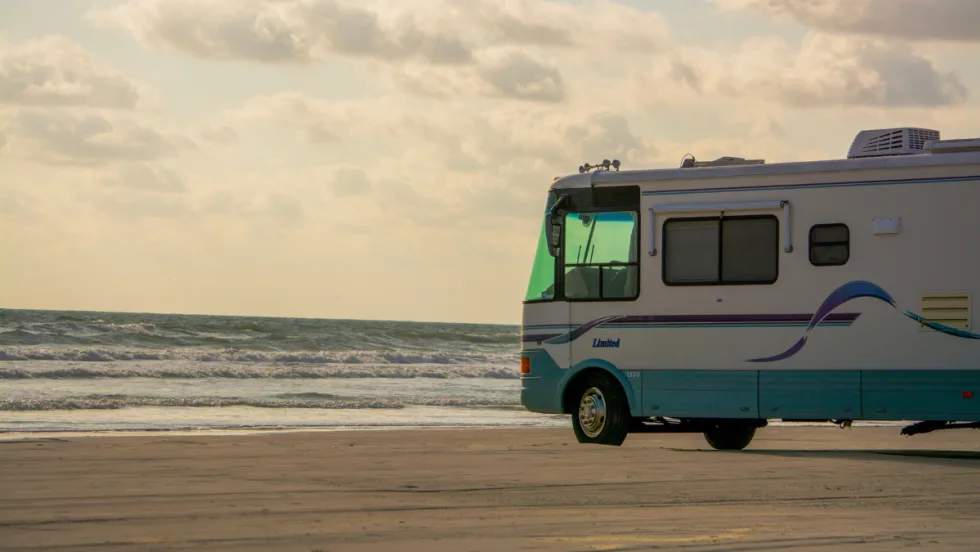
RV Group Expands Carolina Footprint
Blue Compass RV Columbia Northeast is the 13th RV dealership owned by Blue Compass in the Carolinas.
Read More →
Agent Acumen
An Agent Summit panel of people who’ve been supporting auto dealers for years gave both timely and timeless advice for those starting out or mulling the prospect.
Read More →
Missed Maintenance Creates Opportunity
As families get back on the road and into daily school routines, service drives have an opportunity to capture customers who are behind on recommended vehicle maintenance.
Read More →