



Toyota Sets Sights on Carbon Neutrality in Europe by 2040
Toyota maintains operations in Europe will be carbon neutral by 2040, at Toyota Motor Europe’s annual Kenshiki presentation in Brussels.

Toyota maintains operations in Europe will be carbon neutral by 2040, at Toyota Motor Europe’s annual Kenshiki presentation in Brussels.
IMAGE: Toyota
Toyota maintains operations in Europe will be carbon neutral by 2040, at Toyota Motor Europe’s (TME) annual Kenshiki presentation in Brussels.
Marvin Cooke, executive vice president of manufacturing for TME, outlined how the company plans to make its European manufacturing facilities carbon-neutral. The automaker, he said, will minimize energy consumption, switch to green energy and implement continuous improvement innovations to reduce or eliminate CO2 emissions.
He noted these efforts are already underway, with the automaker installing solar panels “equivalent to 10 football pitches” and recycling over 90% of the waste at its engine plant in Deeside in the U.K.
“We expect to be carbon-neutral as early as 2025,” he told Ward’s Auto. “(With) activities outside our direct control, such as upstream supply and logistics, the challenge is greater and one we will achieve in close collaboration with our partners and suppliers.”
Matt Harrison, president and CEO of TME, reported the company has two focus areas. “The first is carbon neutrality and how we plan to achieve it in areas of our business, and the second is the future of mobility as we transition from a manufacturing and sales company to a provider of mobility services,” he said.
Gill Pratt, chief scientist of Toyota Motor Corp. and CEO of Toyota Research Institute, shared how the automaker plans to approach decarbonization globally. Its efforts will include using multiple electrified technologies and optimizing the use of scarce resources to improve carbon reduction.
Toyota’s multi-powertrain-technology strategy will include battery-powered and hydrogen powered vehicles. Company leaders explain the short supply and high costs of battery materials and the lack of infrastructure make a combination of battery-electric, plug-in hybrid-electric, hybrid-electric and fuel-cell vehicles the best approach to reducing CO2 emissions over the next decade.
“We must do what is best for the environment, which is to extract the most carbon reduction from each battery cell produced, replacing as many non-electrified vehicles as possible with electrified ones, guided by the simple principle that carbon is the enemy, not any particular powertrain,” Pratt explained.
Originally posted on Auto Dealer Today
More Industry
Nebraska Rooftop Changes Hands
The Gregg Young Automotive Group has sold its second dealership to Janssen Auto Group, both in Plattsmouth, Neb.
Read More →
Penske Auto Group Deal a Record
The deal to take the dealership and transportation services company private sets a new pace for industry buy-sell transactions.
Read More →
War Toll a Damper on Used Auto Prices
Cox Automotive found wholesale depreciation to be elevated in September amid high fuel prices and this year's unusual hurricane season.
Read More →
Bridge the Maintenance Gap
With many drivers missing recommended maintenance, service departments offering transparency and efficiency have a better chance of reaching financially strained consumers.
Read More →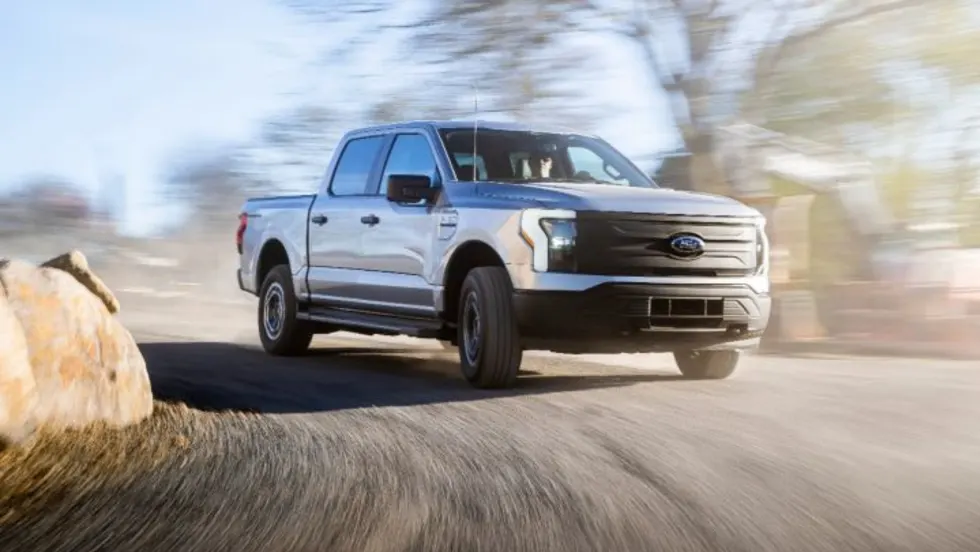
California Store Has New Owner
The longtime dealership in the northern part of the state is known for robust fleet sales and has served the state capital for 115 years.
Read More →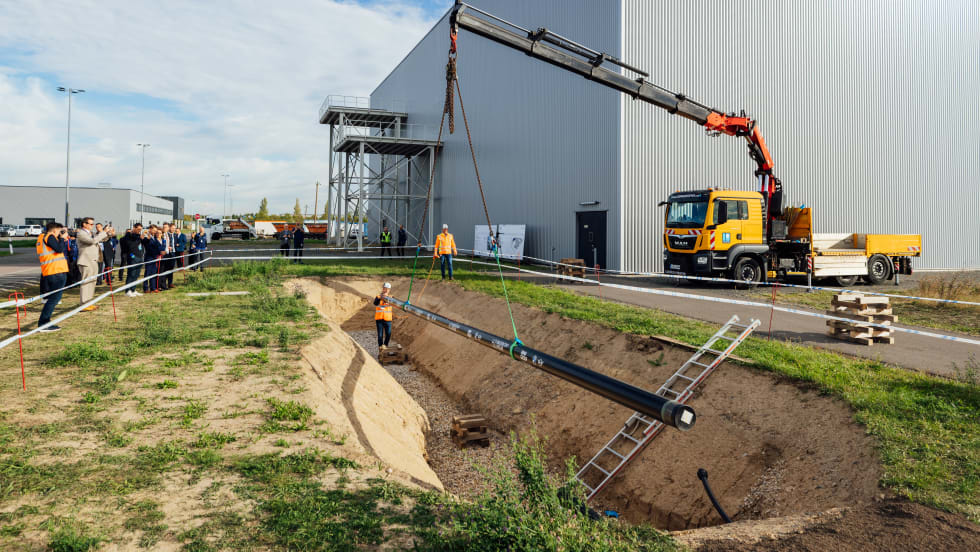
BMW Plant Pursues Cleaner Energy
BMW Group Plant Leipzig has utilized hydrogen to help power its production since 2013, but a new pipeline is planned to take it to another level.
Read More →
Auto Affordability Inches Up
The latest Cox Automotive and Moody’s Analytics index shows a slight increase in new-vehicle affordability despite high prices.
Read More →
Ohio Auto Group Under New Ownership
After 79 years with the Schluter family, Mansfield Auto Group has been acquired by Missouri-based Clement Auto Group.
Read More →
RV Group Expands Carolina Footprint
Blue Compass RV Columbia Northeast is the 13th RV dealership owned by Blue Compass in the Carolinas.
Read More →
Agent Acumen
An Agent Summit panel of people who’ve been supporting auto dealers for years gave both timely and timeless advice for those starting out or mulling the prospect.
Read More →