



Toyota, Honda Lead Increase in Japan’s May Car Sales on Subsidy

Toyota Motor Corp. and Honda Motor Co., Japan’s two biggest automakers, led the tenth straight increase in the nation’s monthly auto sales as government incentives boosted demand, Bloomberg News reported. Sales of cars, trucks and buses, excluding minicars, rose 28 percent to 228,514 vehicles in May from a year earlier, the Japan Automobile Dealers Association said in a statement today. Toyota, the world’s largest carmaker, sold 112,174 units, excluding Lexus-brand cars, up 39 percent. Japan’s auto sales began recovering from a year-long slide in August as government rebates and tax cuts for fuel-efficient vehicles rekindled demand. The incentives helped raise sales by about 600,000 vehicles last year and may increase them by about 900,000 this calendar year, the Japan Automobile Manufacturers Association said in December. “Car sales, especially of hybrids, have been doing very well because of the incentives,” said Yoshiaki Kawano, an analyst at auto consulting company CSM Worldwide Inc. in Tokyo. “Some carmakers are waiting until after the program expires to bring out new models to offset the expected drop.” May sales rose 16 percent at Honda, while Nissan Motor Co., the nation’s third-largest automaker, sold 9 percent more vehicles. Under a government program started in June, consumers in Japan can apply for a rebate of as much 250,000 yen ($2,747) subsidy if they scrap a car more than 13 years old to buy a new one, and 100,000 yen for a new car purchased without scrapping an old one. The program expires at the end of September. Electric, hybrid, natural-gas, and some diesel vehicles also qualify for an exemption from the country’s weight and purchase taxes. Japan’s vehicle sales may fall 4.9 percent to 4.65 million units for the fiscal year that began April 1 as the government subsidy program’s expiration discourages buyers, according to the automakers association. Toyota shares fell 0.8 percent to 3,255 yen as of 2:05 p.m., while shares of Honda dropped 0.6 percent to 2,754 yen in Tokyo. Nissan shares fell 1.7 percent to 653 yen.
More Industry

Auto Affordability Inches Up
The latest Cox Automotive and Moody’s Analytics index shows a slight increase in new-vehicle affordability despite high prices.
Read More →
Ohio Auto Group Under New Ownership
After 79 years with the Schluter family, Mansfield Auto Group has been acquired by Missouri-based Clement Auto Group.
Read More →
RV Group Expands Carolina Footprint
Blue Compass RV Columbia Northeast is the 13th RV dealership owned by Blue Compass in the Carolinas.
Read More →
Agent Acumen
An Agent Summit panel of people who’ve been supporting auto dealers for years gave both timely and timeless advice for those starting out or mulling the prospect.
Read More →
Missed Maintenance Creates Opportunity
As families get back on the road and into daily school routines, service drives have an opportunity to capture customers who are behind on recommended vehicle maintenance.
Read More →
Mitsubishi Unveils U.S. Plan
The automaker announced a strategy that includes an expanded lineup and dealership presence, along with more ‘rugged’ and electric models.
Read More →
Selling to Grow
The question of whether you should sell your agency and if so, when, is up to you. But it’s a question worth asking to ensure you keep the business on the right path for yourself, employees and clients.
Read More →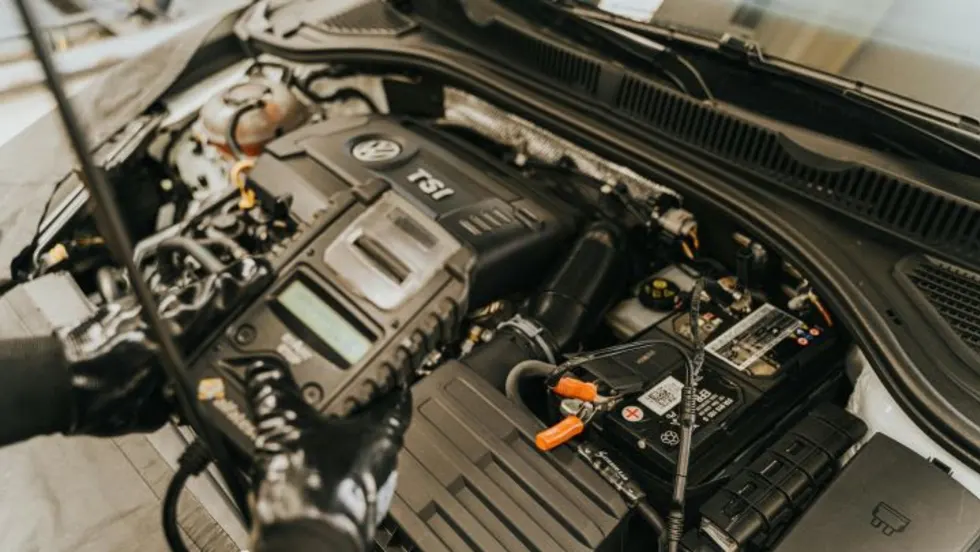
Recalled Vehicles Hit 5-Year High
Though the number of events has fallen so far this year, impacted units are up significantly. Meanwhile, regulators consider consumer notification changes.
Read More →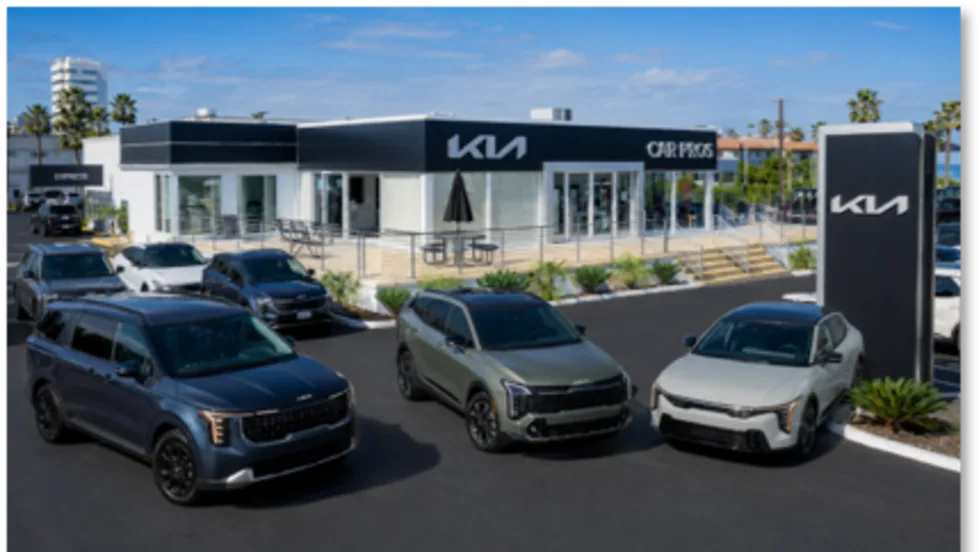
Auto Group Acquires Top-Performing Rooftop
Car Pros sold its Kia Huntington Beach location to Sutherlin Automotive Group, marking the buyer’s third location in Southern California.
Read More →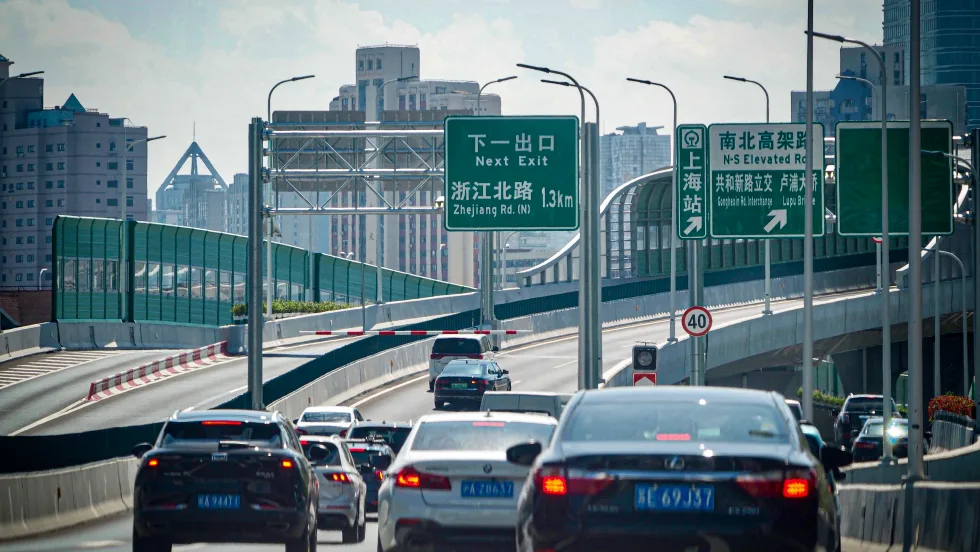
China as Pacesetter
Automotive leaders huddled on where North America stands in the global picture and how it can strengthen its position against the Asian juggernaut’s surging industry.
Read More →