



Toyota and Honda Criticize EV Proposal that Favors Union Plants
The companies sharply criticized a Democrat proposal in the U.S. House of Representatives to give union-made electric vehicles an additional $4,500 tax incentive.

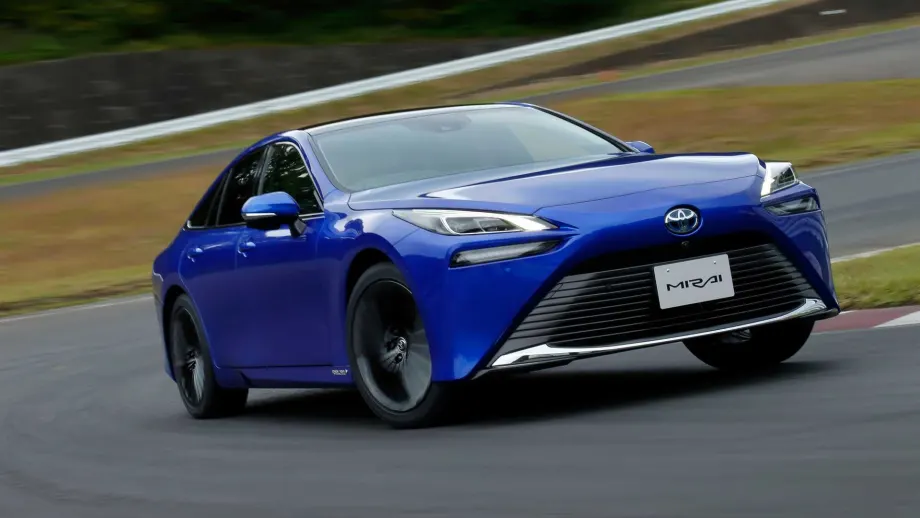
Toyota has promised to fight to focus tax dollars on making EVs available for all American consumers.
Toyota
Toyota, Tesla and Honda sharply criticized a Democrat proposal in the U.S. House of Representatives to give union-made electric vehicles (EVs) an additional $4,500 tax incentive, calling the move “blatantly biased” and “discriminatory.”
Toyota said in a statement that the plan unfairly discriminates “against American autoworkers based on their choice not to unionize.”
The Democratic-led House Ways and Means Committee will vote soon on the plan that is part of a proposed $3.5 trillion spending bill. The legislation benefits Detroit’s Big Three automakers, which have union-represented auto plants.
GM, Ford Motor Co. and Stellantis NV assemble U.S.-made vehicles in plants represented by the United Auto Workers (UAW) union. But foreign automakers operating in the United States, as well as Tesla, do not have unions representing assembly workers. They have fought off efforts by the UAW to organize these U.S. plants.
Honda called the bill “unfair,” and said it “discriminates among EVs made by hard-working American auto workers based simply on whether they belong to a union. The Honda production associates in Alabama, Indiana and Ohio who build our EVs deserve fair and equal treatment by Congress.”
The proposal will cost taxpayers an estimated $33 billion to $34 billion over 10 years. It will set the maximum tax credit for EVs at $12,500, up from $7,500. This figure also includes a $500 credit for using U.S.-manufactured batteries.
The proposed bill will phase out tax credits after they hit 200,000 electric vehicles sold, which would make General Motors Co. and Tesla Inc. eligible again. It also will set a smaller credit for used EVs of up to $2,500.
UAW President Ray Curry spoke out in favor of the tax credit provision, saying it will go “a long way in supporting-good paying union jobs in the EV auto sector that President Biden has championed.”
The bill limits the EV credits to cars valued at no more than $55,000, and trucks priced at up to $74,000.
Toyota has promised to “fight to focus taxpayer dollars on making all electrified vehicles accessible for American consumers who can’t afford high-priced cars and trucks.”
Originally posted on Auto Dealer Today
More Industry

Penske Auto Group Deal a Record
The deal to take the dealership and transportation services company private sets a new pace for industry buy-sell transactions.
Read More →
War Toll a Damper on Used Auto Prices
Cox Automotive found wholesale depreciation to be elevated in September amid high fuel prices and this year's unusual hurricane season.
Read More →
Bridge the Maintenance Gap
With many drivers missing recommended maintenance, service departments offering transparency and efficiency have a better chance of reaching financially strained consumers.
Read More →
California Store Has New Owner
The longtime dealership in the northern part of the state is known for robust fleet sales and has served the state capital for 115 years.
Read More →
BMW Plant Pursues Cleaner Energy
BMW Group Plant Leipzig has utilized hydrogen to help power its production since 2013, but a new pipeline is planned to take it to another level.
Read More →
Auto Affordability Inches Up
The latest Cox Automotive and Moody’s Analytics index shows a slight increase in new-vehicle affordability despite high prices.
Read More →
Ohio Auto Group Under New Ownership
After 79 years with the Schluter family, Mansfield Auto Group has been acquired by Missouri-based Clement Auto Group.
Read More →
RV Group Expands Carolina Footprint
Blue Compass RV Columbia Northeast is the 13th RV dealership owned by Blue Compass in the Carolinas.
Read More →
Agent Acumen
An Agent Summit panel of people who’ve been supporting auto dealers for years gave both timely and timeless advice for those starting out or mulling the prospect.
Read More →
Missed Maintenance Creates Opportunity
As families get back on the road and into daily school routines, service drives have an opportunity to capture customers who are behind on recommended vehicle maintenance.
Read More →