



Tightened Inventory and Fewer Buyers Pose Risk to Auto Industry
Automakers blame tightened inventories for double-digit sales declines, but warn higher interest rates, gas prices and rising inflation will push buyers out of the market.

Flickr
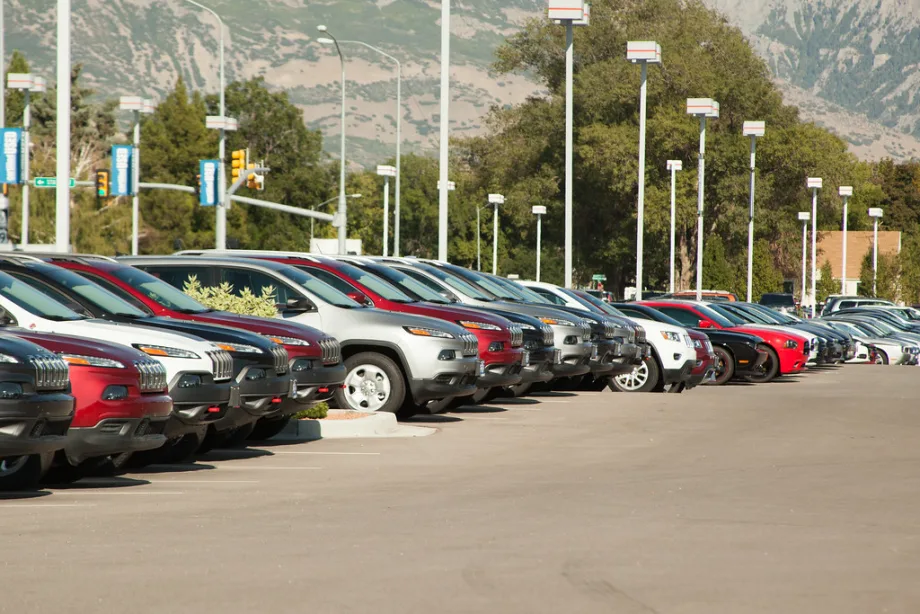
Car shoppers still encounter bare dealership lots. It is expected the U.S. retail inventories closed under 900,000 vehicles in July, reported J.D. Power.
But now there is a new problem afoot—fewer buyers.
"Rising interest rates and low consumer sentiment are keeping many potential buyers out of the market," Charlie Chesbrough, senior economist at Cox Automotive, told Automotive News. "[Meanwhile,] higher prices for both gasoline and vehicles are making affordability an even greater challenge."
Still, near term, Chesbrough admits tight supply "continues to be the biggest obstacle ... and there is little evidence of supply returning to normal.”
Automakers blame these tightened inventories for the double-digit sales declines posted by six out of seven automakers in July. In total, these automakers reported a 15% decline in sales from 2021, according to the Automotive News Research & Data Center.
LMC Automotive reports U.S. sales fell 12% overall in July, the 12th consecutive month that volume has dropped year over year.
And retail sales dipped under 1 million for the third consecutive month in July, LMC said.
Motor Intelligence reported that July’s seasonally adjusted, annualized sales rate was 13.5 million, down from 14.81 million in 2021 but higher than June's 13.22 million SAAR.
In response, LMC lowered its 2022 U.S. light-vehicle outlook to 14 million, from 14.3 million in June, noting “uncertainty is elevated" into 2023.
Jesse Toprak, chief analyst at Autonomy, told Automotive News he doesn’t expect a "full recovery" in industry sales for at least two years.
"Geopolitical risks are here to stay, “he said, noting the situation in Taiwan is being watched closely as the country produces the bulk of the semiconductor chip supply.
Ford Motor Co. became the only reporting automaker to record a year-over-year sales increase in July with a 37% U.S. sales increase in July.
Sales of the company’s crossover and utility vehicles grew 70%, driven by newer models such as the Mustang Mach-E, Bronco and Bronco Sport. Pickup volume grew just 27%.
However, Ford reported over half of July sales came from previously placed orders.
Toyota Motor North America saw sales drop 21%, with Toyota sales down 21% and Lexus sales dipping 23%. The drop in sales marks the automaker’s 12 consecutive monthly sales decline. Still, Tacoma sales increased 1.4% to 23,917 and Tundra volume grew 66% to 10,694.
American Honda saw July sales contract 47%, with Acura sales slumping 59% and Honda division sales down 46%. Hyundai and Kia sales fell 11%. Just four Hyundai models—the Accent, Santa Cruz, Tucson and Veloster—posted higher sales in July. Subaru sales slumped 17% in July while Mazda sales tumbled 29%.
Volvo reported a 41% drop in July volume, while Genesis saw sales increase for the 20th consecutive month to 5,203 deliveries.
Vehicles on lots are often already spoken for, such as these Ford Broncos in Granger, Iowa.
LMC cites the inventory crisis as the reason for slipping sales. Inventory shortages have cost automakers 1.65 million units of potential demand in the U.S. through July.
Kia, Toyota, Subaru, Honda, Lexus, Porsche, Hyundai, Land Rover, BMW and Acura started July with the lowest stockpiles, while Ram, Volvo, Jeep, Lincoln and Audi had the highest inventory levels, according to Cox Automotive.
Toyota ended July with 104,790 vehicles in stock — 14,258 at dealerships and 90,532 in port or transit — for a 16-day supply. Hyundai ended July with 14,784 light vehicles in U.S. inventory, down from 46,113 at the end of July 2021. And Mazda closed July with just 6,868 vehicles, or a six-day supply.
Originally posted on Auto Dealer Today
More Industry

Penske Auto Group Deal a Record
The deal to take the dealership and transportation services company private sets a new pace for industry buy-sell transactions.
Read More →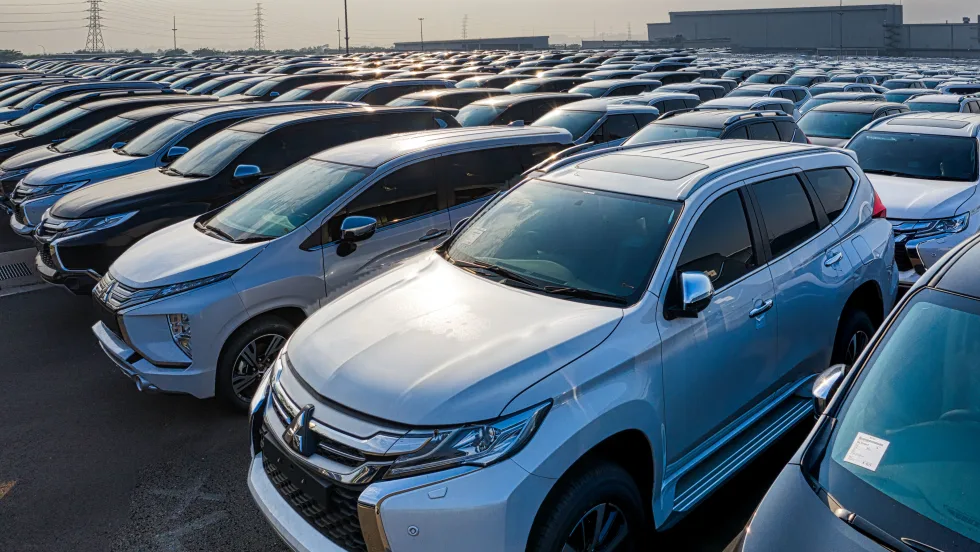
War Toll a Damper on Used Auto Prices
Cox Automotive found wholesale depreciation to be elevated in September amid high fuel prices and this year's unusual hurricane season.
Read More →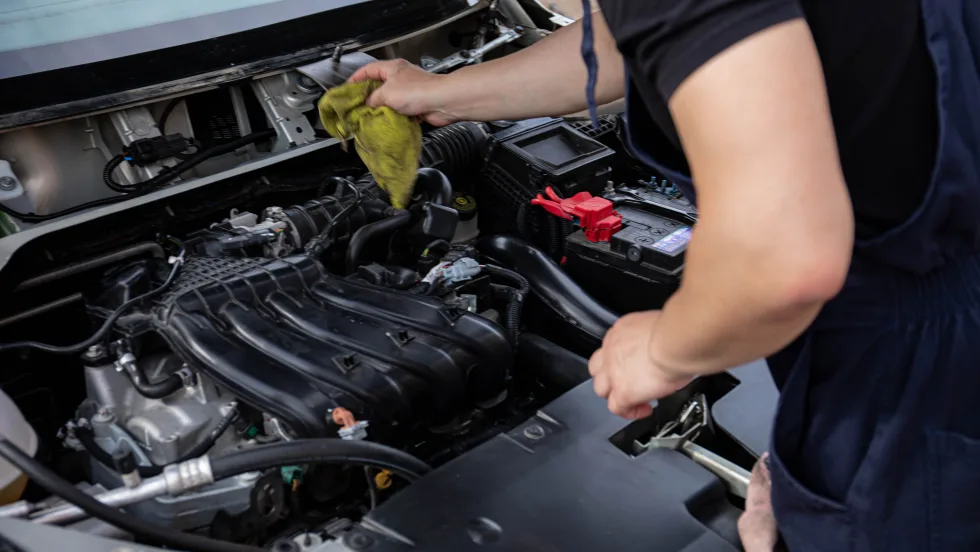
Bridge the Maintenance Gap
With many drivers missing recommended maintenance, service departments offering transparency and efficiency have a better chance of reaching financially strained consumers.
Read More →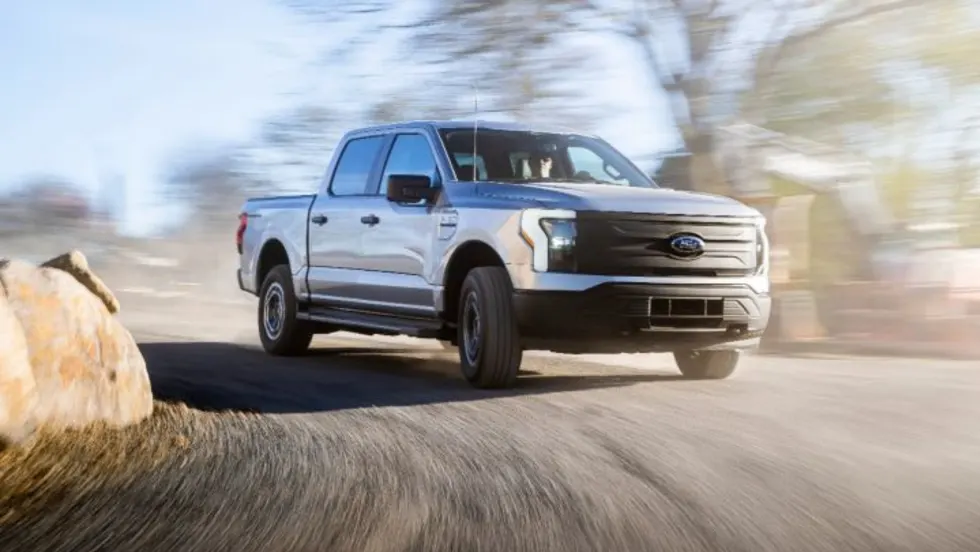
California Store Has New Owner
The longtime dealership in the northern part of the state is known for robust fleet sales and has served the state capital for 115 years.
Read More →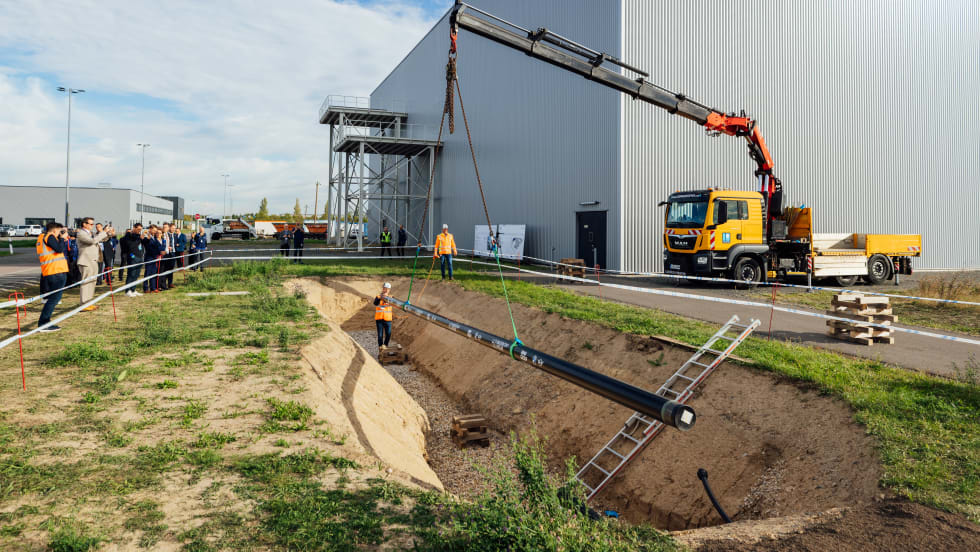
BMW Plant Pursues Cleaner Energy
BMW Group Plant Leipzig has utilized hydrogen to help power its production since 2013, but a new pipeline is planned to take it to another level.
Read More →
Auto Affordability Inches Up
The latest Cox Automotive and Moody’s Analytics index shows a slight increase in new-vehicle affordability despite high prices.
Read More →
Ohio Auto Group Under New Ownership
After 79 years with the Schluter family, Mansfield Auto Group has been acquired by Missouri-based Clement Auto Group.
Read More →
RV Group Expands Carolina Footprint
Blue Compass RV Columbia Northeast is the 13th RV dealership owned by Blue Compass in the Carolinas.
Read More →
Agent Acumen
An Agent Summit panel of people who’ve been supporting auto dealers for years gave both timely and timeless advice for those starting out or mulling the prospect.
Read More →
Missed Maintenance Creates Opportunity
As families get back on the road and into daily school routines, service drives have an opportunity to capture customers who are behind on recommended vehicle maintenance.
Read More →