



Suzuki Seeks ‘Divorce’ From Volkswagen as Their 20-Month Alliance Crumbles

Suzuki Motor Corp. will seek to dissolve its 20-month-old alliance with Volkswagen AG after the German carmaker’s 222.5 billion yen ($2.9 billion) investment failed to yield a single project.
The Japanese automaker, which owns 1.49 percent of Volkswagen, plans to sell its holdings if Volkswagen agrees to end the tie-up, the company said in a statement to the Tokyo Stock Exchange. The Wolfsburg, Germany-based carmaker owns 19.9 percent of Suzuki, according to Bloomberg data.
Suzuki will seek to end the pact with Volkswagen, even if the German automaker wants to maintain it, Chairman Osamu Suzuki said today in Tokyo. Volkswagen today said the company has no plans to dissolve its alliance with the Japanese carmaker.
“The relationship is like a marriage and a divorce,” said Chairman Suzuki. “We should just have a simple break up with a smile and say we weren’t meant for each other.”
The two carmakers stopped talking after Volkswagen described its partner as an “associate” in its annual report. Volkswagen has no intention of selling or reducing its stake in Suzuki, spokesman Michael Brendel said today. Suzuki has broken the partnership agreement between the two carmakers by deciding to buy engines from Italian automaker Fiat SpA, he said.
“We’ve known that Suzuki is a notoriously independent company with a chairman who is not going to bend over backwards to cooperate,” said Ashvin Chotai, a London-based managing director at Intelligence Automotive Asia Ltd. “Volkswagen is better off focusing on a non-Suzuki-based strategy for India and Indonesia.”
Suzuki decided to seek an end to its capital alliance with Volkswagen at an unscheduled board meeting today, according to the statement. Suzuki wants to buy the stake Volkswagen owns and has enough cash to do so, Chairman Suzuki said. “You can lead a horse to water but you can’t make it drink,” said Chairman Suzuki. “We need to mutually discuss and come to a conclusion.”
Suzuki fell 2.8 percent to 1,484 yen at the 3 p.m. close of trading in Tokyo. The stock has dropped 28 percent from the 2,061 yen per share that VW paid in mid-January 2010.
The Japanese carmaker said it didn’t break the cooperation agreement with Volkswagen and it doesn’t expect the break up will lead to fines, according to Executive Vice President Yasuhito Harayama.
Suzuki and Volkswagen’s partnership would not be the first German-Japanese automakers’ alliance to fail.
Daimler AG bought a 37 percent stake in Mitsubishi Motors Corp. in 2000 and 2001. The holding was unwound in 2005 after two years of sales declines at the Japanese carmaker. Revenue plunged after Mitsubishi Motors admitted to hiding defects, pushing it to a record 215.4 billion yen loss in the year ended March 2004.
In contrast, France’s Renault SA and Japan’s Nissan Motor Co. formed an alliance in 1999 that has lasted more than a decade. Daimler joined the alliance in April 2010 by giving a 3.1 percent stake to both carmakers.
Mitsubishi Motors and PSA Peugeot Citroen also have a successful partnership, said Masatoshi Nishimoto, a Tokyo-based IHS auto analyst.
Mitsubishi and Peugeot began a partnership in 2005 when the Japanese carmaker began supplying a car based on its Outlander sport-utility vehicle to its French partner. Since then, they’ve built a factory together in Russia that started operating last September, and Peugeot in 2010 announced it would sell electric cars supplied by Mitsubishi.
VW and Suzuki initially said they intended to cooperate on technology, including hybrids and electric cars and on expanding in emerging markets. In a deal signed in December 2009, VW took a 19.9 percent Suzuki stake.
Chairman Suzuki said today that the company “sees no reason why Volkswagen would be upset” about Suzuki expanding its purchase of engines from Fiat.
Suzuki formed an alliance with Fiat to make diesel engines in Asia in 2005. In June this year, it expanded the agreement to buy engines from Fiat in Hungary. Chairman Suzuki said the automaker explained its engine alliance with Fiat to Volkswagen CEO Martin Winterkorn in January 2011.
The partnership was also meant to combine Suzuki’s leading position in India, Asia’s second-fastest growing major economy, with Volkswagen’s global reach as the world’s third-biggest carmaker.
VW, which forecasts deliveries will rise 5 percent this year after selling 7.2 million vehicles in 2010, aims to surpass Toyota Motor Corp. and General Motors Co. as the world’s largest carmaker by 2018 and is targeting India as an expanding market.
Suzuki, which sold 2.64 million cars in its last fiscal year, delivered 1.13 million of those vehicles in India. VW sold 53,300 cars in the country in 2010.
Chairman Suzuki hasn’t found any VW technologies he’d like to adopt following an extensive review of what they have to offer, he wrote in a Nikkei newspaper column in July. Suzuki in July also said it was open to forming alliances with others.
“The relationship between VW and Suzuki has been ill-fated from the start,” said Christopher Richter, senior analyst at CLSA in Tokyo. “The two partners really didn’t understand each other.”
Volkswagen’s Winterkorn said in May the automaker planned to target the small-car segment in India as a potential joint project with Suzuki, as well as parts procurement and development of alternative-drive technologies.
Suzuki has a dominant position in India, where its Maruti Suzuki India Ltd. unit is the market leader, while competition is intensifying. A successful alliance would allow Suzuki’s India unit to benefit from VW’s global reach and product portfolio, with more than 60 models at the namesake brand alone.
Maruti Suzuki will sell 36 percent of the 3.07 million vehicles delivered in India in 2011, IHS Automotive estimates. Overall sales in the market will climb 76 percent to 5.41 million in 2016, with Maruti Suzuki nabbing 25 percent, according to IHS forecasts.
Suzuki previously had a 27-year equity alliance with GM, which resulted in joint product development and global purchasing. The partnership ended as GM headed toward bankruptcy. The Detroit-based carmaker sold a 17 percent stake in 2006 to raise $2 billion and strengthen its balance sheet. It unwound its remaining 3 percent stake in 2008.
“This is a setback for VW, they counted on Suzuki to help them conquer low-cost segments in Asia and now it all seems in tatters,” said Stefan Bratzel, director of Center of Automotive Management at the University of Applied Sciences in Bergisch- Gladbach, Germany. “With its 50 percent share of the Indian market, Suzuki was tailor-made as a partner for VW.”
More Industry

Ohio Auto Group Under New Ownership
After 79 years with the Schluter family, Mansfield Auto Group has been acquired by Missouri-based Clement Auto Group.
Read More →
RV Group Expands Carolina Footprint
Blue Compass RV Columbia Northeast is the 13th RV dealership owned by Blue Compass in the Carolinas.
Read More →
Agent Acumen
An Agent Summit panel of people who’ve been supporting auto dealers for years gave both timely and timeless advice for those starting out or mulling the prospect.
Read More →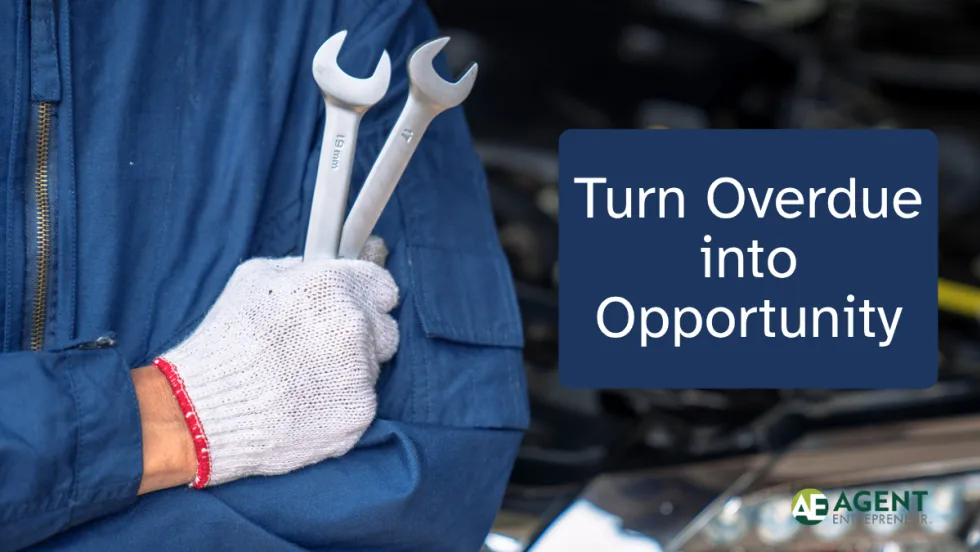
Missed Maintenance Creates Opportunity
As families get back on the road and into daily school routines, service drives have an opportunity to capture customers who are behind on recommended vehicle maintenance.
Read More →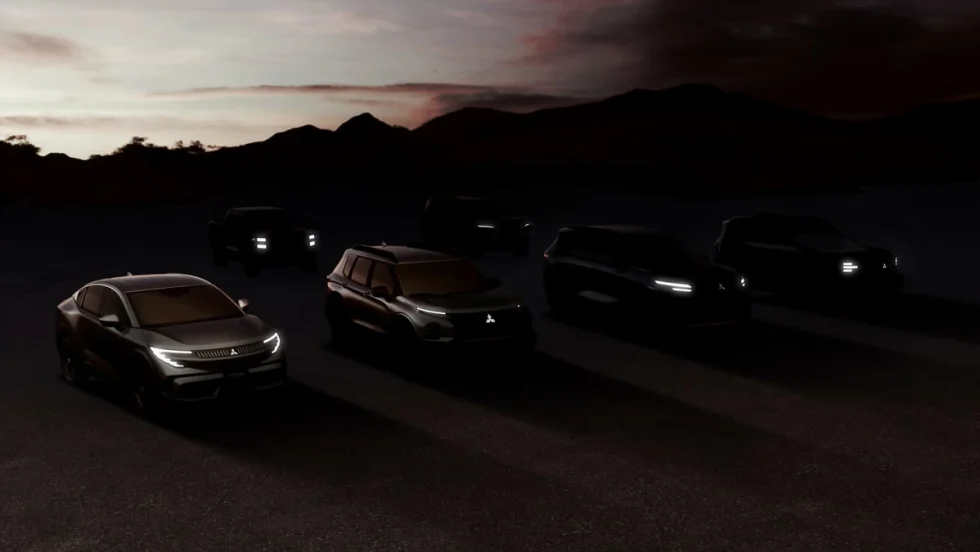
Mitsubishi Unveils U.S. Plan
The automaker announced a strategy that includes an expanded lineup and dealership presence, along with more ‘rugged’ and electric models.
Read More →
Selling to Grow
The question of whether you should sell your agency and if so, when, is up to you. But it’s a question worth asking to ensure you keep the business on the right path for yourself, employees and clients.
Read More →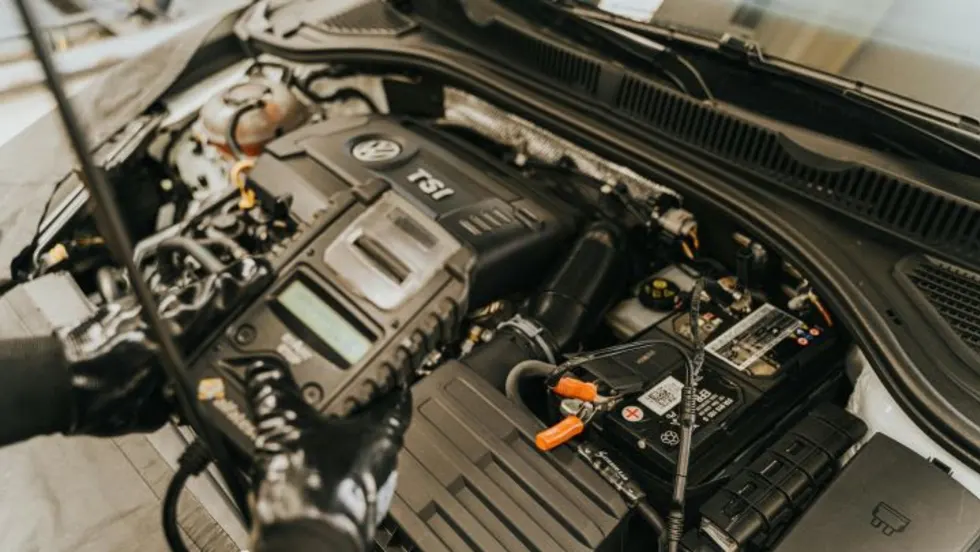
Recalled Vehicles Hit 5-Year High
Though the number of events has fallen so far this year, impacted units are up significantly. Meanwhile, regulators consider consumer notification changes.
Read More →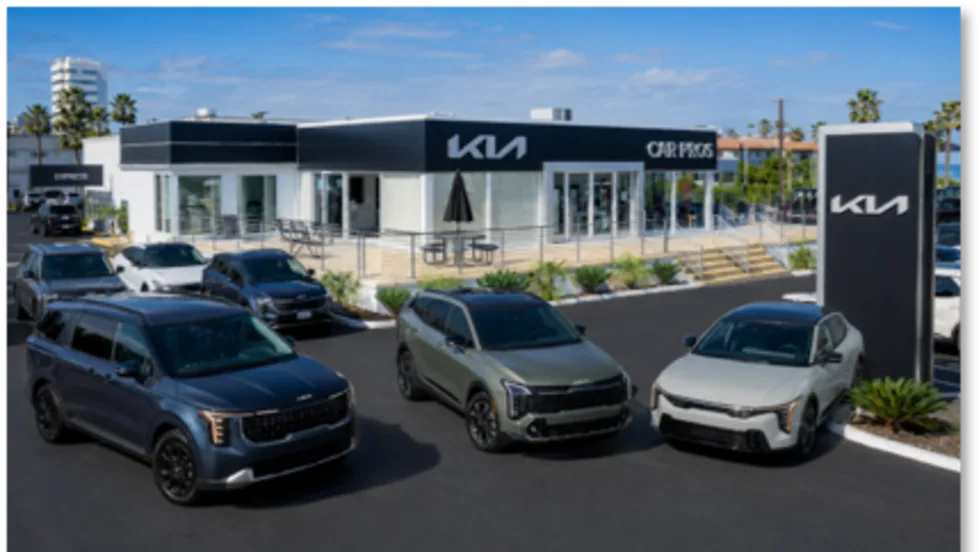
Auto Group Acquires Top-Performing Rooftop
Car Pros sold its Kia Huntington Beach location to Sutherlin Automotive Group, marking the buyer’s third location in Southern California.
Read More →
China as Pacesetter
Automotive leaders huddled on where North America stands in the global picture and how it can strengthen its position against the Asian juggernaut’s surging industry.
Read More →
BMW Concept Car Makes Fuel to Burn
The prototype developed in concert with a South Carolina university engineering team generates more solar energy than it uses in a typical daily commute.
Read More →