



Subaru System Can Prevent Some Bicycle Crashes
Study finds that early versions, though, not effective in most common types of collisions.


The nonprofit organization says that nearly 1,000 cyclists were killed in automotive crashes in 2021, up more than 50% since 2010.
IMAGE: Pixabay/Pexels
A new study shows that early versions of Subaru’s crash-avoidance system prevented crashes with bicyclists riding parallel to the roadway as they were designed to do but were less successful in preventing collisions with those in other locations relative to the vehicle.
One of the first such systems able to prevent crashes with bicycles, Subaru’s technology has recently been updated and could show more crash-prevention success, said the Insurance Institute for Highway Safety, which conducted the study.
Subaru’s EyeSight system includes driver-assistance features, among them automatic emergency braking, all underpinned by two cameras behind the windshield.
Its two early versions were designed to prevent only crashes with cyclists traveling parallel to the vehicle. The system cut such accidents by 29%, the institute’s study found. Its preventative effect on other types of crashes with bicycles was minor, according to the research.
“… to have a meaningful impact, AEB systems also need to be able to prevent crashes with bicycles that are crossing in front of the vehicle,” said study author Jessica Cicchino, the institute’s vice president of research.
The institute says that crossing crashes represent the majority of bicycle collisions in both the U.S. and Europe.
The nonprofit organization says that nearly 1,000 cyclists were killed in automotive crashes in 2021, up more than 50% since 2010.
It said that systems such as EyeSight should still not be considered a solution to auto-bicycle crashes.
“These technologies are fantastic, but it will be a long time before every vehicle in the fleet is equipped with such a system,” Cicchino said. “That’s why we need things like better roadway lighting to help drivers to see cyclists at night as well as more separated bike lanes and other infrastructure improvements that we know reduce crash risk.”
Originally posted on Auto Dealer Today
More Industry
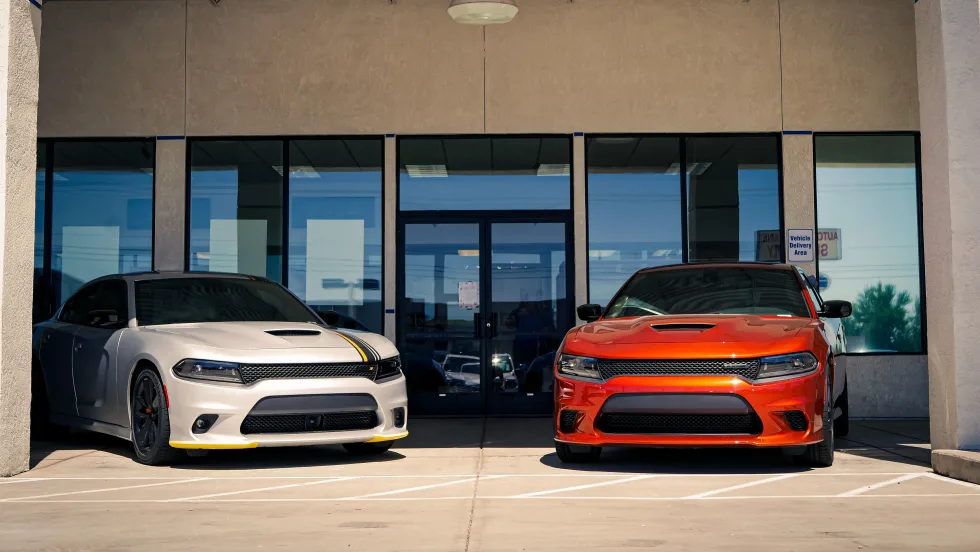
Auto Affordability Inches Up
The latest Cox Automotive and Moody’s Analytics index shows a slight increase in new-vehicle affordability despite high prices.
Read More →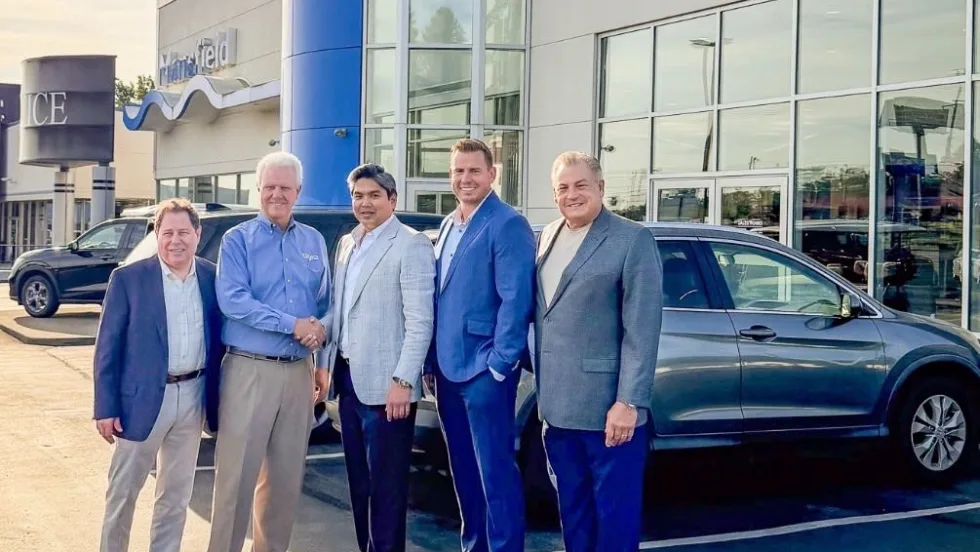
Ohio Auto Group Under New Ownership
After 79 years with the Schluter family, Mansfield Auto Group has been acquired by Missouri-based Clement Auto Group.
Read More →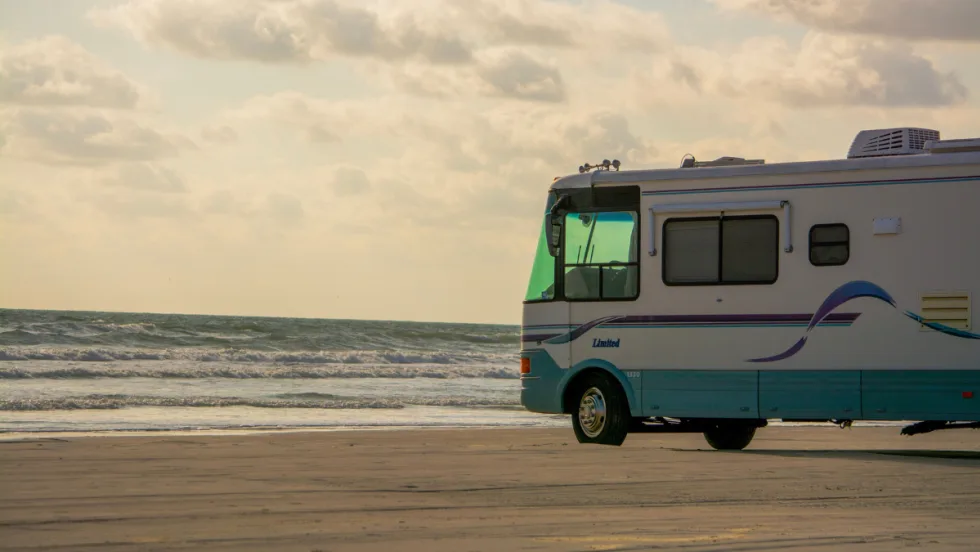
RV Group Expands Carolina Footprint
Blue Compass RV Columbia Northeast is the 13th RV dealership owned by Blue Compass in the Carolinas.
Read More →
Agent Acumen
An Agent Summit panel of people who’ve been supporting auto dealers for years gave both timely and timeless advice for those starting out or mulling the prospect.
Read More →
Missed Maintenance Creates Opportunity
As families get back on the road and into daily school routines, service drives have an opportunity to capture customers who are behind on recommended vehicle maintenance.
Read More →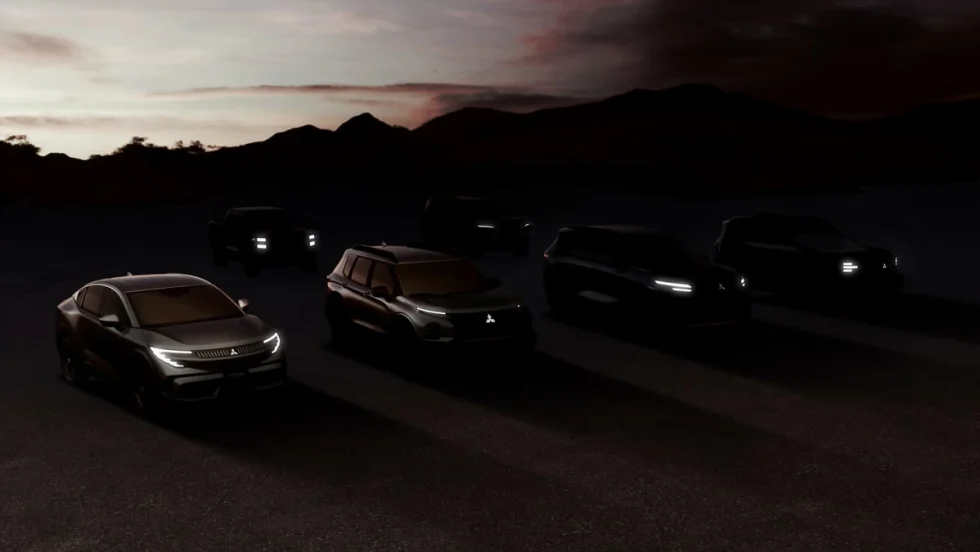
Mitsubishi Unveils U.S. Plan
The automaker announced a strategy that includes an expanded lineup and dealership presence, along with more ‘rugged’ and electric models.
Read More →
Selling to Grow
The question of whether you should sell your agency and if so, when, is up to you. But it’s a question worth asking to ensure you keep the business on the right path for yourself, employees and clients.
Read More →
Recalled Vehicles Hit 5-Year High
Though the number of events has fallen so far this year, impacted units are up significantly. Meanwhile, regulators consider consumer notification changes.
Read More →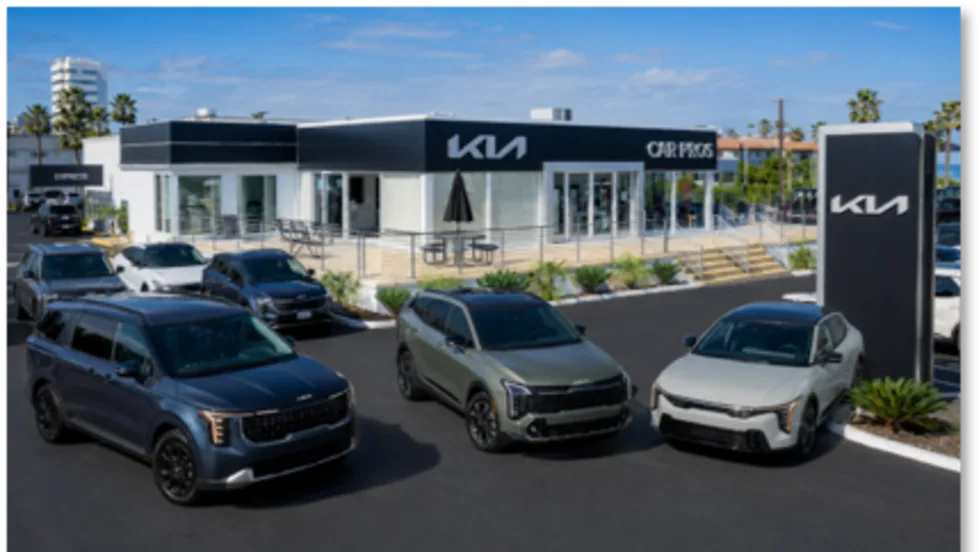
Auto Group Acquires Top-Performing Rooftop
Car Pros sold its Kia Huntington Beach location to Sutherlin Automotive Group, marking the buyer’s third location in Southern California.
Read More →
China as Pacesetter
Automotive leaders huddled on where North America stands in the global picture and how it can strengthen its position against the Asian juggernaut’s surging industry.
Read More →