



Strike Ends in Canada as One Paused in South Korea
Unifor makes a deal with GM, and Kia puts the brakes on its limited strikes.


General Motors called the tentative Canadian workers union deal a 'record agreement' and the wage increases 'significant.'
IMAGE: Pexels/500photos.com
Less than 24 hours after striking General Motors, a Canadian workers union reached a tentative contract agreement with the Detroit automaker similar to the one it signed with Ford late last month. Meanwhile in South Korea, a Kia union put a temporary hold on a strike against that company.
The signs of union progress played out against the backdrop of strikes against all three big Detroit auto brands by the United Auto Workers in the Motor City that are nearing a month in duration.
In Canada, the Unifor union reached its preliminary deal with GM that involves more than 4,000 workers across three factories. It awaited a vote by union members for ratification.
That three-year agreement includes 20% and 25% hourly wage bumps for production and skilled trade jobs, respectively, and the resumption of a cost-of-living allowance starting next December.
Unifor National President Lana Payne said GM decided to bargain when faced with the shutdown of key manufacturing facilities. “General Motors had no choice but to get serious at the table and agree to the pattern,” she said in a statement, referring to the union’s agreement with Ford.
GM called it a “record agreement” and the wage increases “significant.”
In South Korea, the Kia workers union paused a partial strike against the automaker in its home base as talks resumed, Reuters reported.
The union had planned eight-hour and three-day strikes this month, Yonhap News Agency said. But it indicated it would suspend those plans to continue negotiations, Reuters reported. Its aims include wage hikes, a retirement-age increase and a four-day work week.
The workers union of Kia parent company Hyundai forged a new agreement with that company last month that includes a pay increase, bonus and other enhancements. It had also asked for a bump in the mandatory retirement age from 60 to 64, but Hyundai resisted that change.
Originally posted on Auto Dealer Today
More Industry
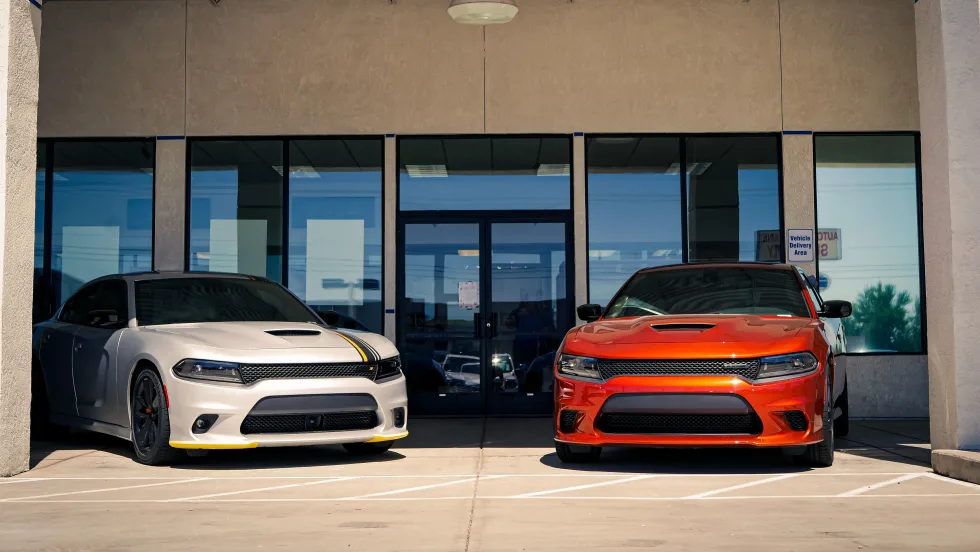
Auto Affordability Inches Up
The latest Cox Automotive and Moody’s Analytics index shows a slight increase in new-vehicle affordability despite high prices.
Read More →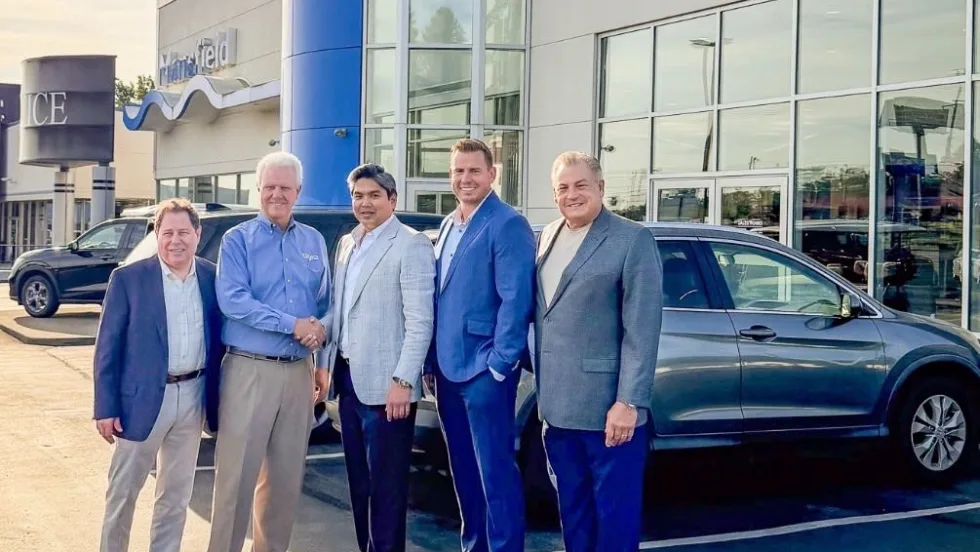
Ohio Auto Group Under New Ownership
After 79 years with the Schluter family, Mansfield Auto Group has been acquired by Missouri-based Clement Auto Group.
Read More →
RV Group Expands Carolina Footprint
Blue Compass RV Columbia Northeast is the 13th RV dealership owned by Blue Compass in the Carolinas.
Read More →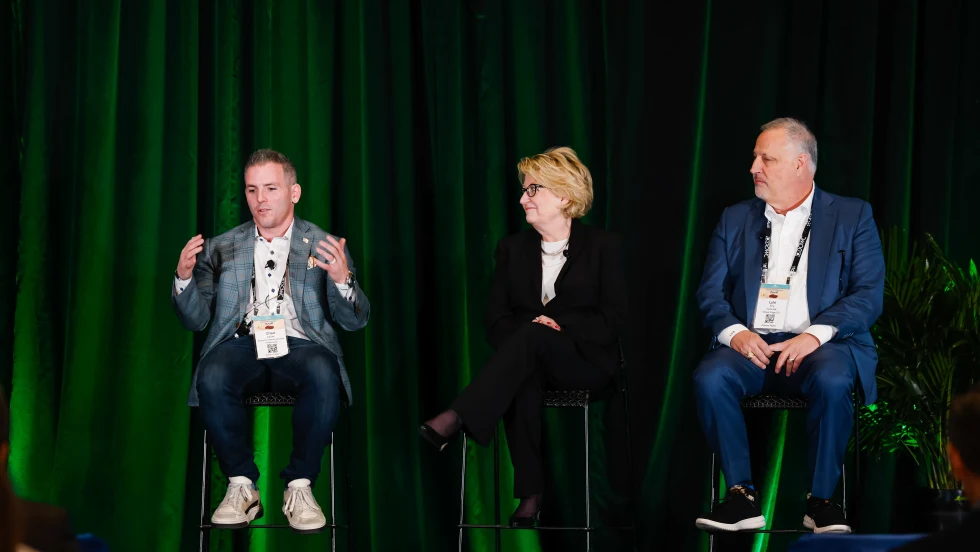
Agent Acumen
An Agent Summit panel of people who’ve been supporting auto dealers for years gave both timely and timeless advice for those starting out or mulling the prospect.
Read More →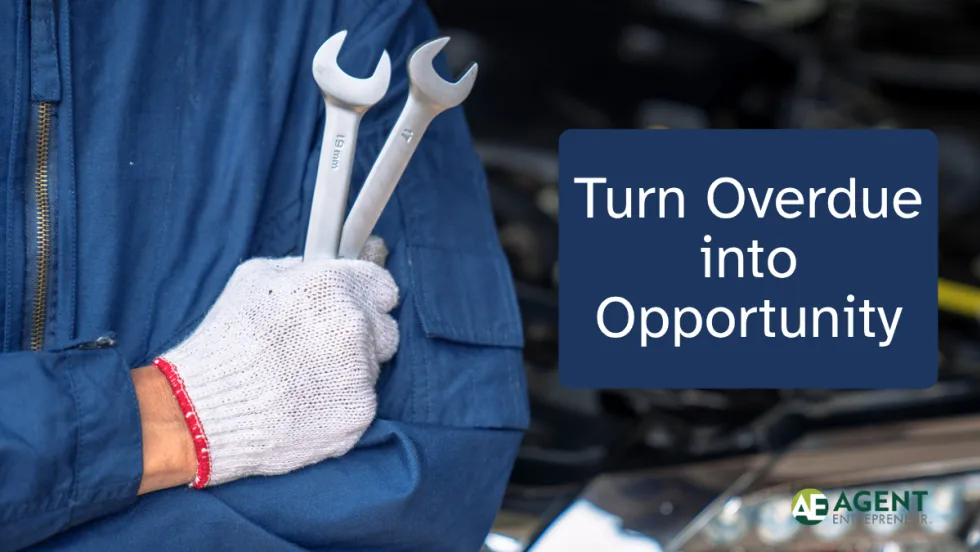
Missed Maintenance Creates Opportunity
As families get back on the road and into daily school routines, service drives have an opportunity to capture customers who are behind on recommended vehicle maintenance.
Read More →
Mitsubishi Unveils U.S. Plan
The automaker announced a strategy that includes an expanded lineup and dealership presence, along with more ‘rugged’ and electric models.
Read More →
Selling to Grow
The question of whether you should sell your agency and if so, when, is up to you. But it’s a question worth asking to ensure you keep the business on the right path for yourself, employees and clients.
Read More →
Recalled Vehicles Hit 5-Year High
Though the number of events has fallen so far this year, impacted units are up significantly. Meanwhile, regulators consider consumer notification changes.
Read More →
Auto Group Acquires Top-Performing Rooftop
Car Pros sold its Kia Huntington Beach location to Sutherlin Automotive Group, marking the buyer’s third location in Southern California.
Read More →
China as Pacesetter
Automotive leaders huddled on where North America stands in the global picture and how it can strengthen its position against the Asian juggernaut’s surging industry.
Read More →