



Saab's New Owner Expects U.S. Sales to Double in 2010

The new owner of Saab has a two-pronged strategy to boost its ailing sales: assure customers that the company is here to stay, and return the Swedish car brand to its roots as a maker of offbeat luxury cars.
Victor Muller, CEO of the Dutch sports car company Spyker Cars NV, rescued Saab from demise by buying it from General Motors Co. earlier this year. Now the brand has a product plan and sales goals that he hopes will enable it to turn a profit by 2012.
"We don't need any new customers. We only need our old customers back," Muller said in an interview with The Associated Press on Monday. "Saab is OK and well-funded and will last as an independent car manufacturer."
Over the years, the Swedish brand had attracted a small but devoted following in the U.S. and elsewhere, where enthusiasts took to its quirky design, sporty ride and technological sophistication. The company was a pioneer in using turbocharged engines. It was also the first carmaker to offer heated seats.
But many Saab fans complained that GM, during its 10-year ownership, diluted the Swedish brand by simply putting new Saabs on Opel — GM's European company — and other GM platforms and stripping the cars of their uniqueness.
Now Muller expects Saab sales in the U.S. to double to around 16,000 this year, as the company benefits from the stability of a new owner and the introduction of the new 9-5 sedan later this summer.
Customers and dealers also have access to loans through a new Saab lender, Ally Financial Inc. The lack of a lender last year was a big barrier to sales.
But even if Saab doubles sales in 2010, that is well below the peak of 41,000 sold in 2001. Longer term, sales should climb back to between 30,000 and 35,000 per year in the U.S., Muller said. The last time Americans bought that many Saabs was 2007.
Muller also has the long-term goal of taking Saab back to its roots. That, he said, will help the brand win back the customers lost over the years to rivals such as Audi, BMW and Mini.
He said the company is spending about 150 million euros ($186 million) globally to market the brand this year. That figure is likely to remain constant the next two years as new products come to market.
More Industry
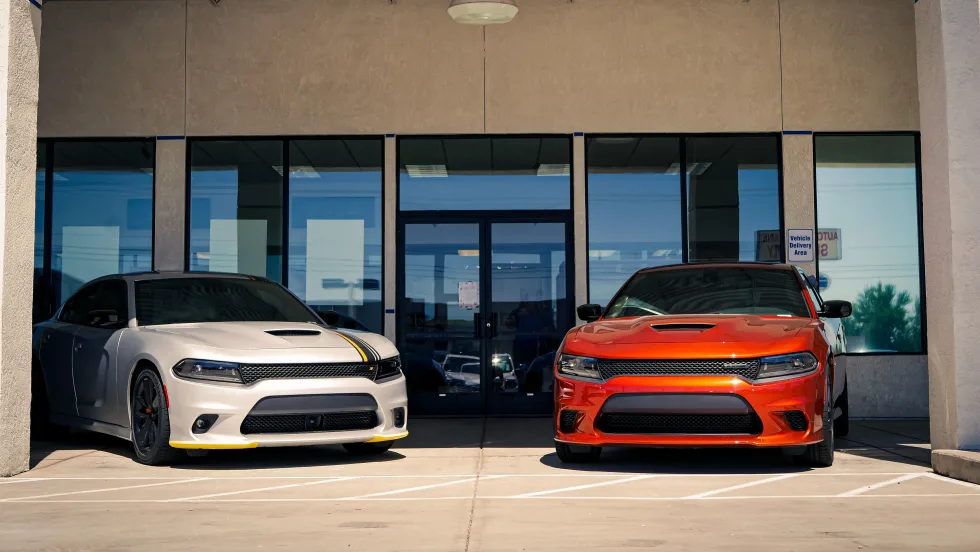
Auto Affordability Inches Up
The latest Cox Automotive and Moody’s Analytics index shows a slight increase in new-vehicle affordability despite high prices.
Read More →
Ohio Auto Group Under New Ownership
After 79 years with the Schluter family, Mansfield Auto Group has been acquired by Missouri-based Clement Auto Group.
Read More →
RV Group Expands Carolina Footprint
Blue Compass RV Columbia Northeast is the 13th RV dealership owned by Blue Compass in the Carolinas.
Read More →
Agent Acumen
An Agent Summit panel of people who’ve been supporting auto dealers for years gave both timely and timeless advice for those starting out or mulling the prospect.
Read More →
Missed Maintenance Creates Opportunity
As families get back on the road and into daily school routines, service drives have an opportunity to capture customers who are behind on recommended vehicle maintenance.
Read More →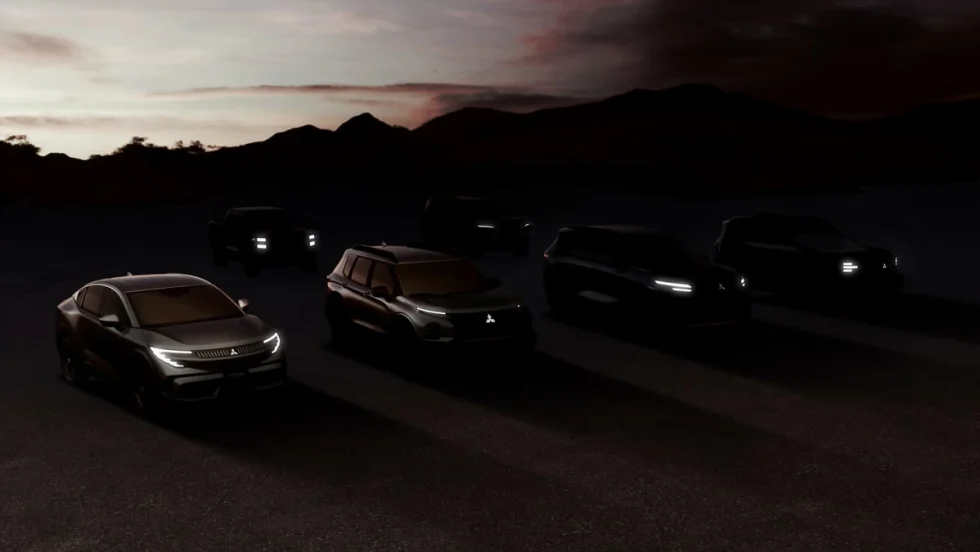
Mitsubishi Unveils U.S. Plan
The automaker announced a strategy that includes an expanded lineup and dealership presence, along with more ‘rugged’ and electric models.
Read More →
Selling to Grow
The question of whether you should sell your agency and if so, when, is up to you. But it’s a question worth asking to ensure you keep the business on the right path for yourself, employees and clients.
Read More →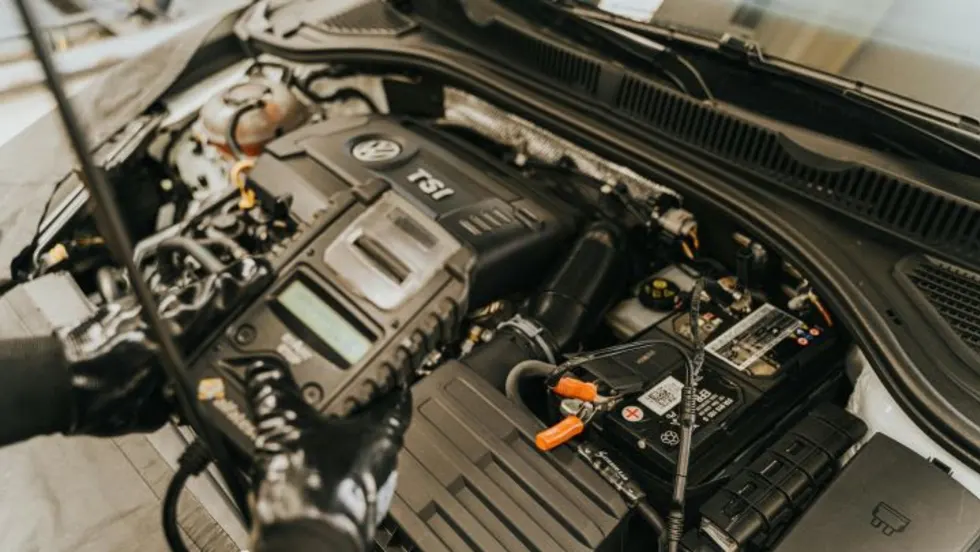
Recalled Vehicles Hit 5-Year High
Though the number of events has fallen so far this year, impacted units are up significantly. Meanwhile, regulators consider consumer notification changes.
Read More →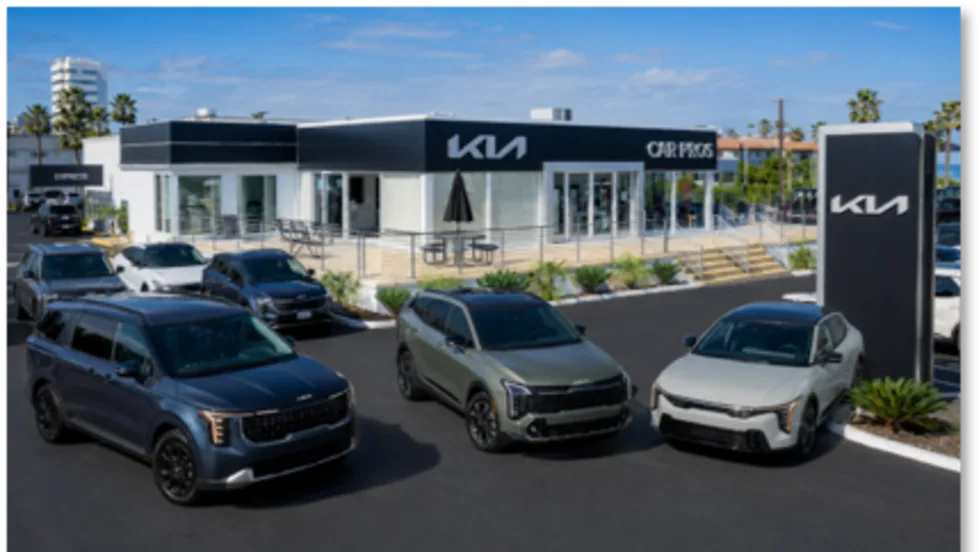
Auto Group Acquires Top-Performing Rooftop
Car Pros sold its Kia Huntington Beach location to Sutherlin Automotive Group, marking the buyer’s third location in Southern California.
Read More →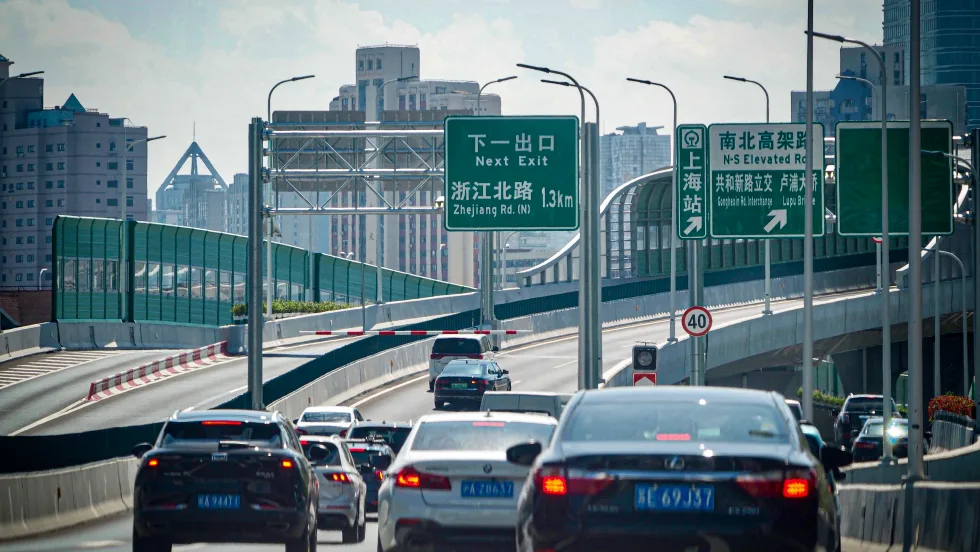
China as Pacesetter
Automotive leaders huddled on where North America stands in the global picture and how it can strengthen its position against the Asian juggernaut’s surging industry.
Read More →