



Quake Throws AutoNation Into a Spin

FORT LAUDERDALE — Two months after the March 11 earthquake rocked Japan and its auto makers, the ripple effects are starting to hit U.S. car dealers like AutoNation Inc.
Dealers of all sizes began this year expecting a surge in auto sales, and AutoNation, owner of 246 franchises in 15 states, was no different. But the quake, because it has hobbled production by Japanese auto makers, has put many dealers in a bind: They're running short of Japanese-brand cars as demand is rising, reported The Wall Street Journal.
"We are in a completely different environment than at the beginning of the year, and we have to pivot on a dime," AutoNation Chief Executive Michael J. Jackson said at a meeting last week with his top lieutenants.
The magnitude of the challenge was evident at AutoNation's Lexus store in Tampa, Fla. The dealership has about 55 RX 350 sport-utility vehicles in stock and sells around two dozen a month. But only one new RX 350 is scheduled to arrive in the next few weeks from manufacturer Toyota Motor Corp.
AutoNation's Maroone Honda in Hollywood, Fla., is only getting four Odyssey minivans from Honda Motor Co. in May. It normally sells 20 a month.
"Do the math," Mr. Jackson said at the meeting. "We are going to be out of certain models at some point."
Other auto dealers are coming to grips with the same reality. Houston-based Group 1 Automotive Inc. is getting less than half the Toyota and Honda vehicles it wanted for May, Chief Executive Earl Hesterberg said in an interview. Models from Toyota, Honda and Nissan Motor Co. make up about 60% of Group 1's new-vehicle sales.
"I'm monitoring our inventory daily," Mr. Hesterberg said. "My biggest fear is July and August: We're going to be tight by then and those are two big selling months."
American auto dealers have come through a tough stretch of road, having endured the recession, the downsizing of dealerships by General Motors Co. and Chrysler Group LLC, and Toyota's recall and sudden-acceleration crisis last year.
The shortages stemming from the earthquake present another difficult test. Instead of enjoying a recovery in auto sales, dealers again are scrambling to protect earnings.
At the AutoNation meeting last week, profit margins were a prime topic. Held daily in the company's boardroom at its headquarters here, the hour-long session was chaired by Mr. Jackson and Chief Operating Officer Michael Maroone. Around the large oval table sat more than a dozen other top executives and a Wall Street Journal reporter.
Mr. Maroone reminded regional managers listening by phone to avoid selling cars at a loss. It is standard practice for dealers to occasionally sell cars slightly below cost. Offering such "loss leaders" drive store traffic and are offset by profit margins on other vehicles and for services like oil changes.
But with Toyotas and Hondas in short supply, that was no longer acceptable. "Take no loser deals," Mr. Maroone said. "We will not be able to replace this inventory."
In anticipation of vehicle shortages, the company in April rolled out a computerized system that guides sales managers to a price range that can be offered to customers and allows top management to track gross margins daily. Using this system, AutoNation is aiming to boost prices on Japanese cars and trucks by an average of about $400 a vehicle.
Kevin Westphal, AutoNation's head of new-car sales, at last week's meeting reported that the system was having an impact. In the first few days in May new-car sales were running at a slower pace than before the quake, he said. But store profit was well above the previous year's level and almost at its target level.
AutoNation began planning its response to the quake just days after it hit. On March 14, as the extent of the devastation was becoming clear, Mr. Jackson, Mr. Maroone and a few close associates met and agreed that the disaster likely would severely limit the supply of models that are made in Japan and exported to the U.S. They also suspected that parts shortages would hurt Japanese auto makers' production in the big North America market, a more serious scenario.
The executives agreed to respond with spending cuts, price increases and more marketing for stores that sell GM, Chrysler and Ford Motor Co. vehicles.
By mid-April, Toyota said production in Japan and North America would be slowed for most of the year. AutoNation had expected to sell about 120,000 Toyota, Honda and Nissan vehicles this year; it cut that to 90,000.
"We essentially threw out the business plan we had for this year, and started with a clean sheet," Mr. Jackson said.
The meeting last week reflected the shift. Radio spots that were supposed to promote AutoNation's Japanese-brand stores have been changed to ads for Chevrolet and Ford vehicles. Japanese vehicles taken as trade-ins at Chevy and Ford stores are being moved to increase used-car inventory at Toyota, Honda and Nissan dealerships. Overtime work has been cut, and employee discounts on Japanese-brand cars have been suspended.
AutoNation's 20 Honda dealerships had about 3,000 vehicles in stock, and are expecting another 1,000 to arrive. But that's only enough to last about 40 days, Mr. Westphal, the new-cars chief, said at the meeting.
The company has about 7,000 Toyota vehicles, about 1,000 less than normal. "It will drop," he warned.
The situation was similar for Nissan models that are made only in Japan, such as the Juke, a small SUV. AutoNation's five Nissan stores in Florida have 21 Jukes between them but together typically sell about 28 a month. The new pricing system increased the Juke's price by about $990 in the last month, to $23,511.
Supplies of many other Nissan models are strong, however. The auto maker earlier this year built up U.S. dealer inventories for push to gain market share. As a result, AutoNation, like other operators of Nissan stores, has relatively strong stocks of big-selling models like the Altima and Maxima sedans.
AutoNation regional executives participating by phone on last week's call said they could discount prices to push Altima sales.
"We have the vehicles," said the Florida regional manager, "so we are going to go after it."
More Industry

Penske Auto Group Deal a Record
The deal to take the dealership and transportation services company private sets a new pace for industry buy-sell transactions.
Read More →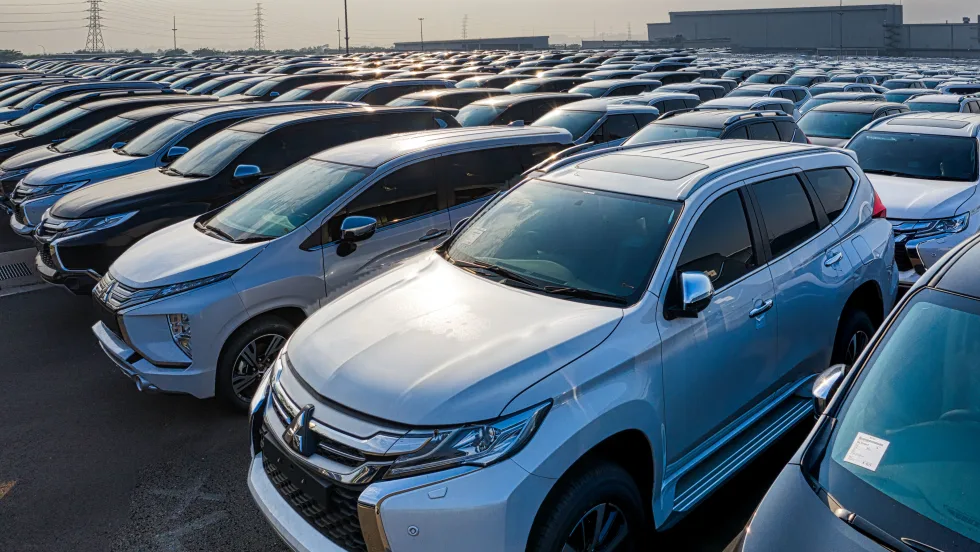
War Toll a Damper on Used Auto Prices
Cox Automotive found wholesale depreciation to be elevated in September amid high fuel prices and this year's unusual hurricane season.
Read More →
Bridge the Maintenance Gap
With many drivers missing recommended maintenance, service departments offering transparency and efficiency have a better chance of reaching financially strained consumers.
Read More →
California Store Has New Owner
The longtime dealership in the northern part of the state is known for robust fleet sales and has served the state capital for 115 years.
Read More →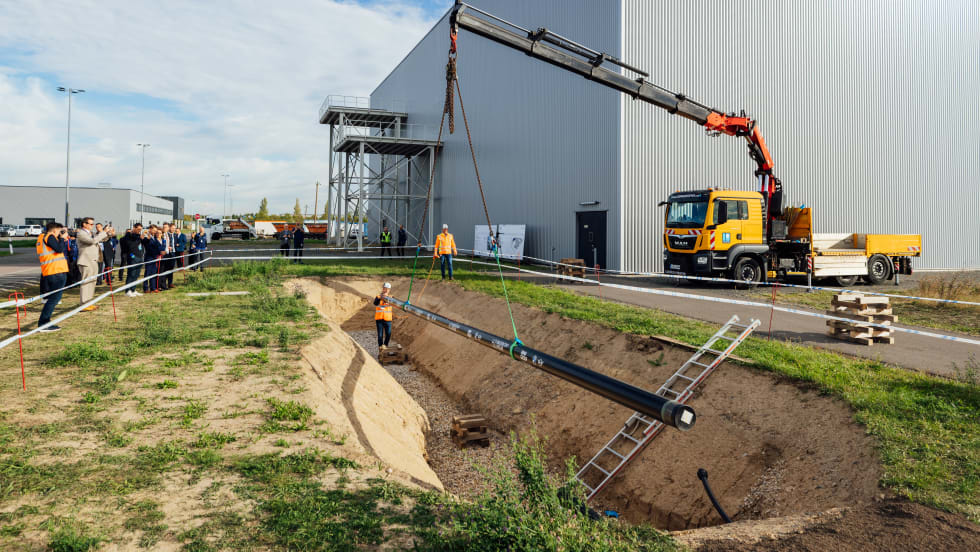
BMW Plant Pursues Cleaner Energy
BMW Group Plant Leipzig has utilized hydrogen to help power its production since 2013, but a new pipeline is planned to take it to another level.
Read More →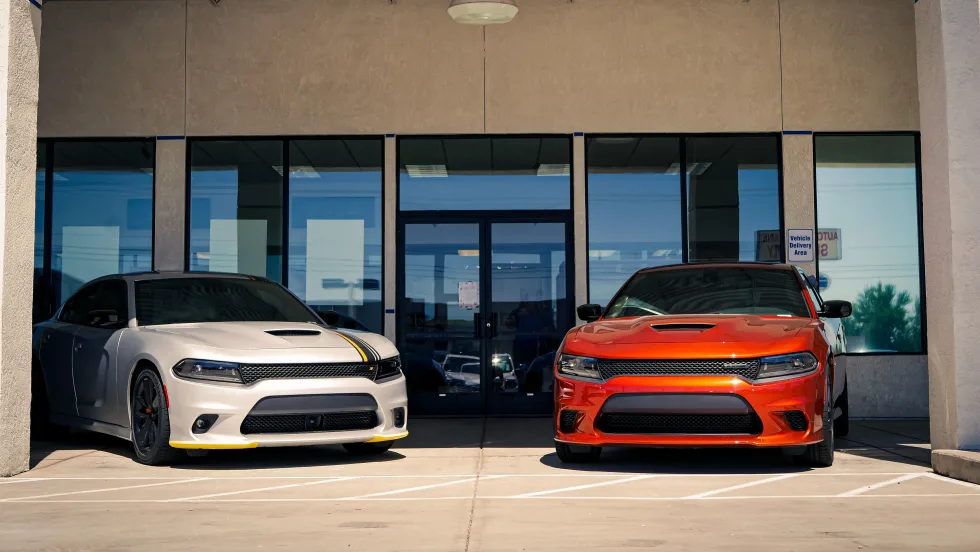
Auto Affordability Inches Up
The latest Cox Automotive and Moody’s Analytics index shows a slight increase in new-vehicle affordability despite high prices.
Read More →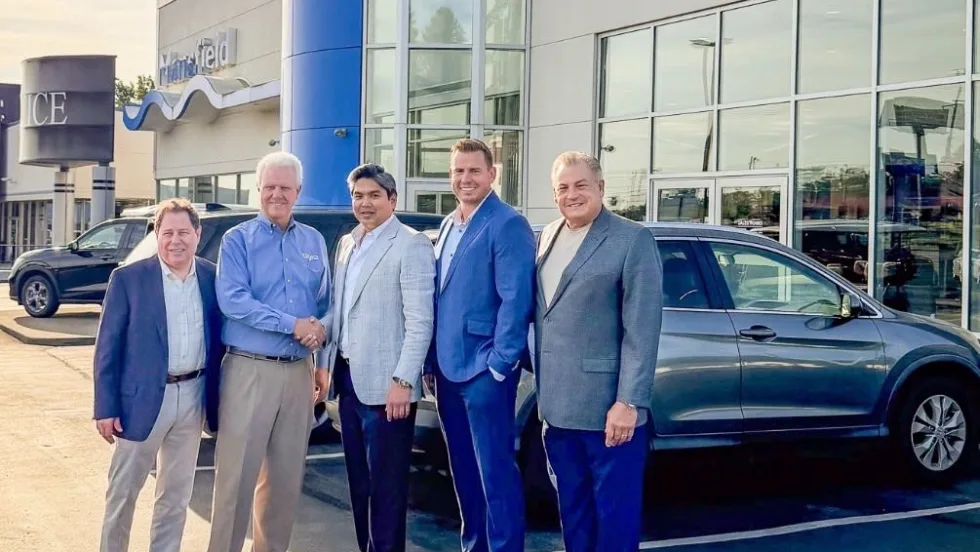
Ohio Auto Group Under New Ownership
After 79 years with the Schluter family, Mansfield Auto Group has been acquired by Missouri-based Clement Auto Group.
Read More →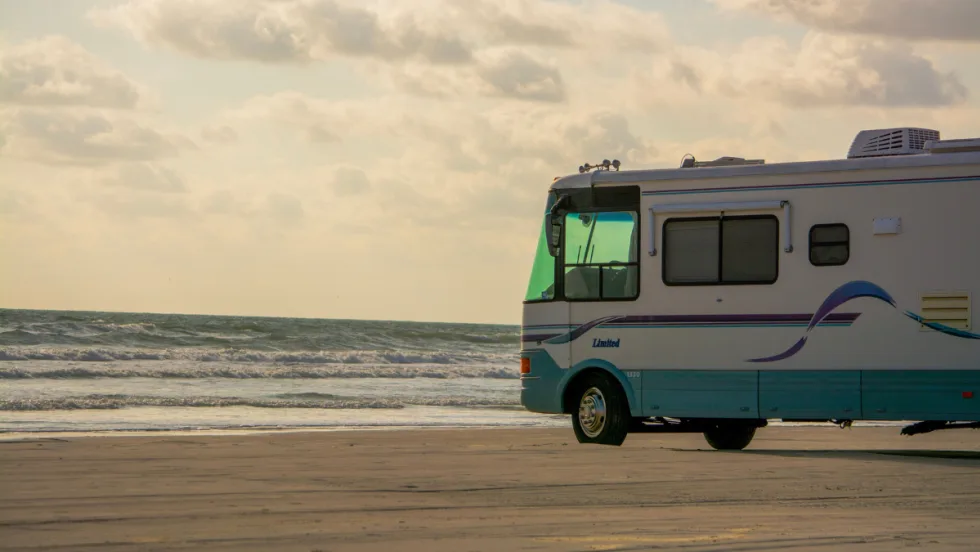
RV Group Expands Carolina Footprint
Blue Compass RV Columbia Northeast is the 13th RV dealership owned by Blue Compass in the Carolinas.
Read More →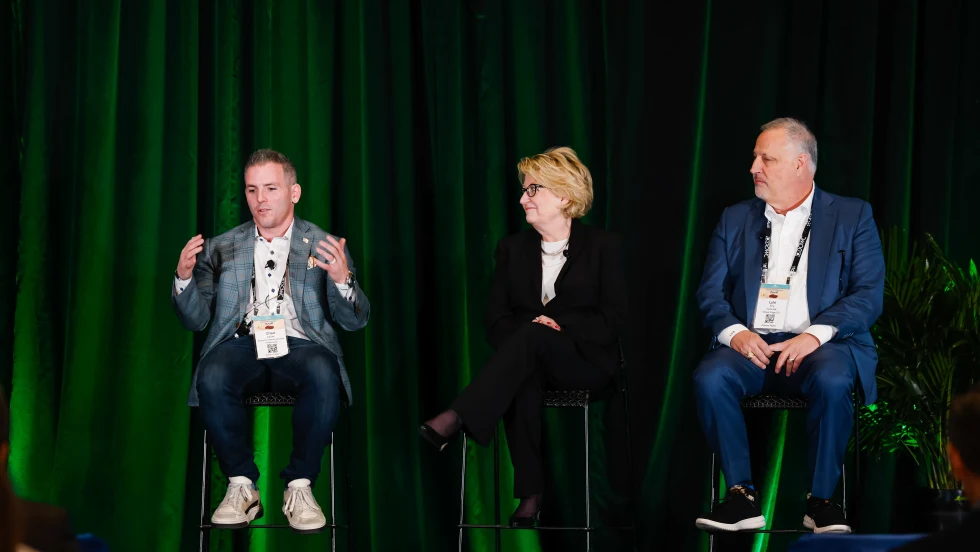
Agent Acumen
An Agent Summit panel of people who’ve been supporting auto dealers for years gave both timely and timeless advice for those starting out or mulling the prospect.
Read More →
Missed Maintenance Creates Opportunity
As families get back on the road and into daily school routines, service drives have an opportunity to capture customers who are behind on recommended vehicle maintenance.
Read More →