



Proposed Dues Hike Divides UAW

United Auto Workers delegates are expected to vote Tuesdayon a controversial dues hike, and some members on Monday staged a last-ditch effort to derail the first increase in more than four decades, reported The Detroit News.
But halting the hike likely hinges on scoring an important on-the-record roll-call vote, rather than a voice vote, they say, because the dues increase is a union-backed proposal.
Getting that roll-call vote requires the support of 307 delegates — roughly one-third of the 1,100 attending this year’s convention. Dissenters, at a meeting following the conclusion of the convention’s first day, said they are looking to end the UAW’s “social club” mentality and prevent a “slap in the face” with any dues increase.
UAW President Bob King said the dues vote will take place Tuesday, ahead of Wednesday’s election of the next union president, which is presumed to be current secretary-treasurer Dennis Williams.
The possible 25 percent dues hike — the union’s first since the 1960s — is “opposed by a large majority” of UAW members, Gary Walkowicz, bargaining committeeman at Ford’s Dearborn Truck plant and the lone challenger to the union-endorsed Williams, said in a flier distributed on Monday to delegates.
Walkowicz said he’s not looking to have the proposed dues hike struck down this week. His goal is to have each of the union’s 391,415 members — instead of delegates — vote to decide whether to pay two-and-a-half hours’ worth of monthly pay, up from to two hours.
“It’s not primarily about the money,” Walkowicz said. “It really goes back to disagreeing with the leadership.”
For a veteran autoworker making $28 an hour, the increase would cost $14 a month, or $168 a year. Newer union members in the lower $14-an-hour wage tier would pay half that amount.
Some union members are pushing back against the UAW, and already are peeved that the union spent millions of dollars on recent political efforts, including the attempt to organize Volkswagen workers in Chattanooga, Tenn., and fighting Michigan’s 2012 right-to-work law. They believe union spending is out of control; one example cited Monday was the union’s insistence on spending hundreds of dollars per delegate to house them at a nearby hotel — even those who live and work in Metro Detroit.
The International UAW said it’s not responsible for the hotels of members who live in the local area.
UAW officials insist the union needs the extra money to boost its strike fund.
The fund once totaled about $1 billion but today is down to about $600 million, outgoing UAW President Bob King said Monday. King has said a larger strike fund will send a message to companies to bargain in good faith.
“If we vote here for a dues increase, it will deter more members from staying with the union,” Walkowicz said, referencing the choice for some workers to opt out of paying union dues if they reside in right-to-work states such as Michigan.
King said Monday he expects workers to remain dues-paying members even if the dues hike passes, citing six months of discussions with members. He would not speculate on how close he expects Tuesday’s vote to be.
Some workers are convinced eliminating the UAW’s two-tier wage system — which pays new employees half of what their veteran counterparts earn — and gaining raises for those veteran workers is an easier way to boost revenue.
About 30 union delegates and members attended the Monday afternoon meeting. At least two indicated that seven other union members at their home plants have committed to voting against the 25-percent hike.
The dissenters acknowledge their chances to shoot down the increase are slim.
“The roll call is going to be important to get the votes on record,” said Scott Houldieson, a delegate from Local 551, which represents workers at the Ford Chicago Assembly Plant. “Those who vote for a dues increase will put their union positions further down the road in jeopardy.”
More Industry

Penske Auto Group Deal a Record
The deal to take the dealership and transportation services company private sets a new pace for industry buy-sell transactions.
Read More →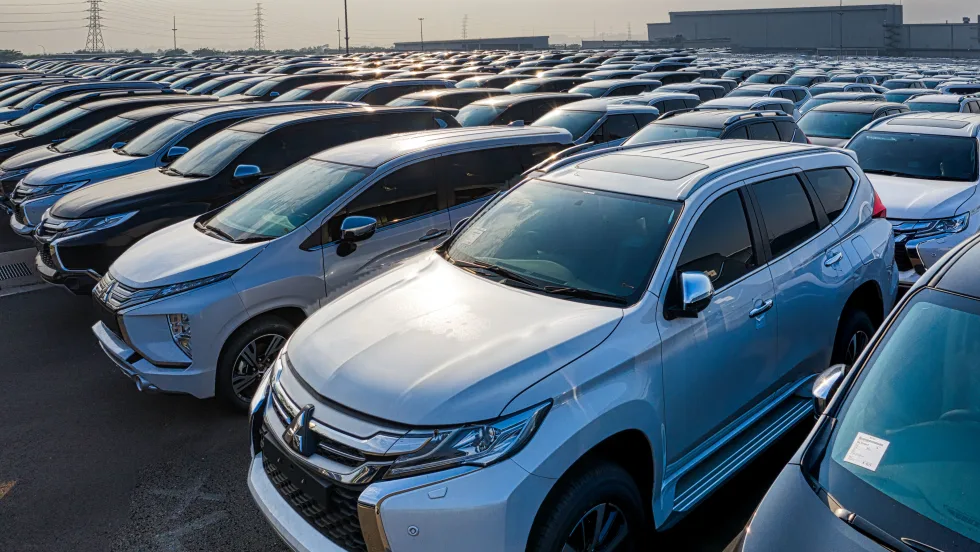
War Toll a Damper on Used Auto Prices
Cox Automotive found wholesale depreciation to be elevated in September amid high fuel prices and this year's unusual hurricane season.
Read More →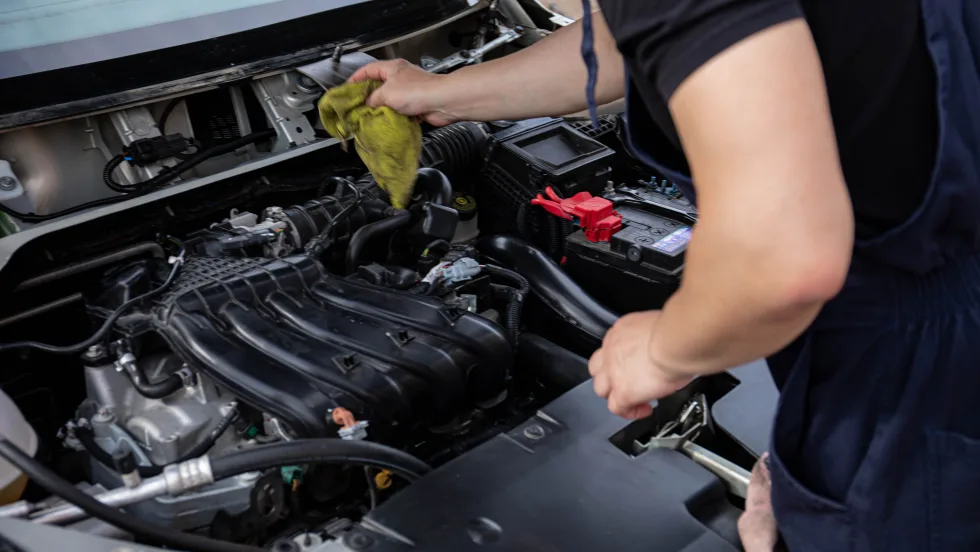
Bridge the Maintenance Gap
With many drivers missing recommended maintenance, service departments offering transparency and efficiency have a better chance of reaching financially strained consumers.
Read More →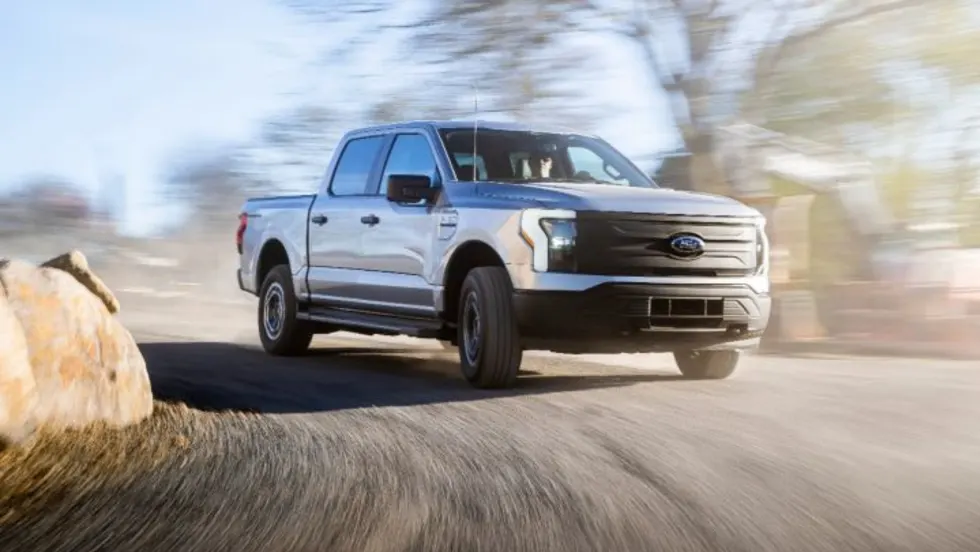
California Store Has New Owner
The longtime dealership in the northern part of the state is known for robust fleet sales and has served the state capital for 115 years.
Read More →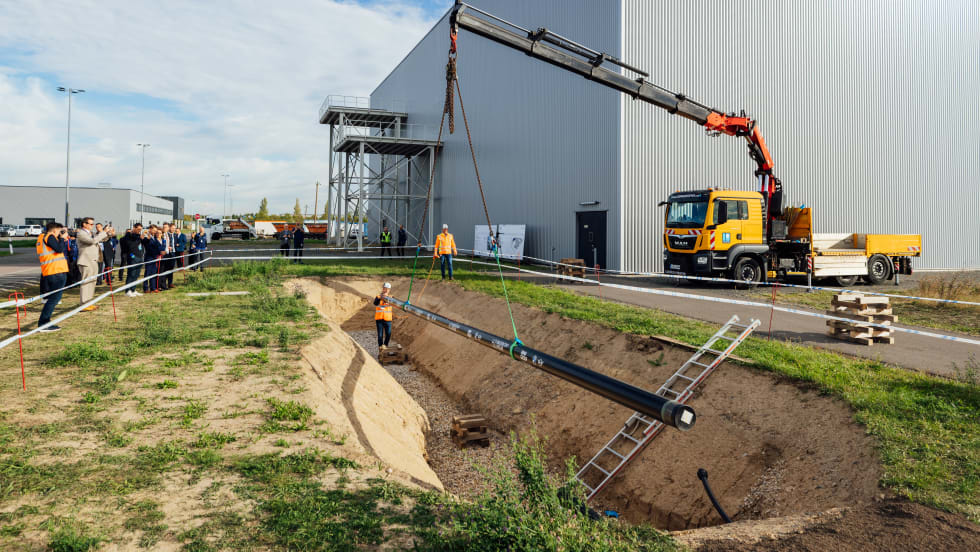
BMW Plant Pursues Cleaner Energy
BMW Group Plant Leipzig has utilized hydrogen to help power its production since 2013, but a new pipeline is planned to take it to another level.
Read More →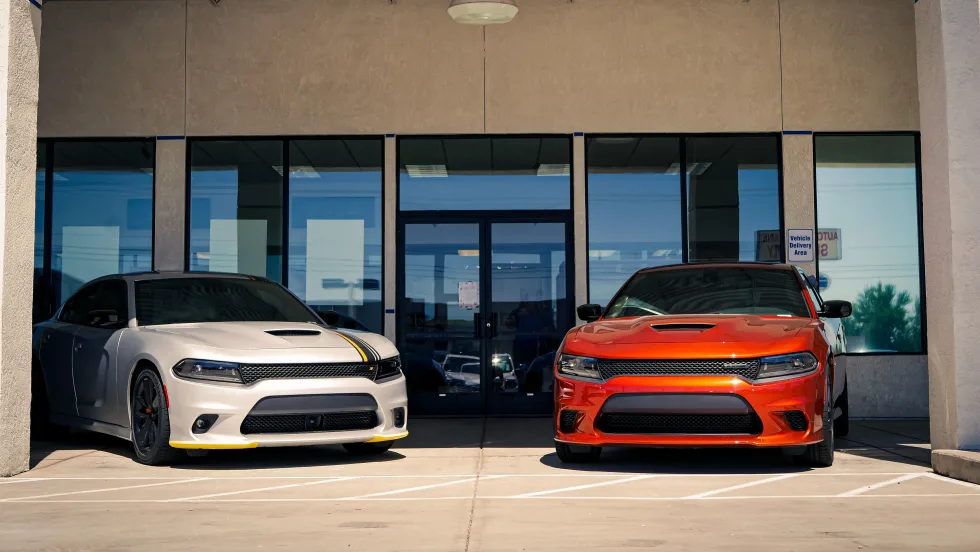
Auto Affordability Inches Up
The latest Cox Automotive and Moody’s Analytics index shows a slight increase in new-vehicle affordability despite high prices.
Read More →
Ohio Auto Group Under New Ownership
After 79 years with the Schluter family, Mansfield Auto Group has been acquired by Missouri-based Clement Auto Group.
Read More →
RV Group Expands Carolina Footprint
Blue Compass RV Columbia Northeast is the 13th RV dealership owned by Blue Compass in the Carolinas.
Read More →
Agent Acumen
An Agent Summit panel of people who’ve been supporting auto dealers for years gave both timely and timeless advice for those starting out or mulling the prospect.
Read More →
Missed Maintenance Creates Opportunity
As families get back on the road and into daily school routines, service drives have an opportunity to capture customers who are behind on recommended vehicle maintenance.
Read More →