



NHTSA Final CAFE Ruling to Hike Fines for Automakers
With the new ruling, fines for vehicles that fall short of fuel economy standards will cost automakers at least $1 billion annually.

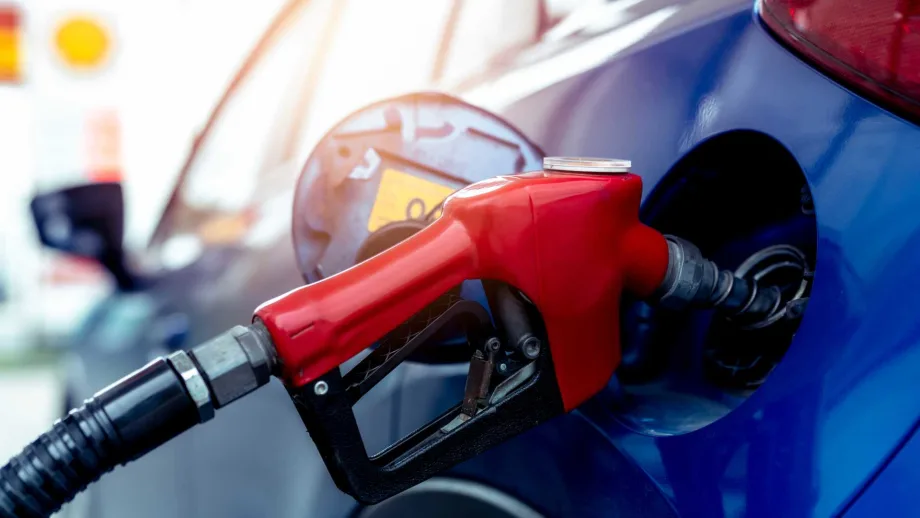
Creative Commons
The U.S. National Highway Traffic Safety Administration (NHTSA) recently reinstated high penalties for automakers whose vehicles do not meet fuel efficiency requirements for models made in 2019 and on.
The decision could cost automakers hundreds of millions of dollars or more.
NHTSA reported the decision "increases the accountability of manufacturers for violating the nation’s fuel economy standards" and the penalty increase "incentivizes manufacturers to make fuel economy improvements."
The move comes after the Trump Administration delayed a 2016 regulation that more than doubled penalties for automakers failing to meet Corporate Average Fuel Economy (CAFE) requirements as of the 2019 model year.
The final rule, which goes into effect 60 days after it is published, reinstates the higher penalties and and increased them further for the 2022 model year. The agency did not collect penalties for 2019 to 2021 model years while the rule was under review.
The change puts the fine at $14 for 2019 to 2021 model years for every 0.1 mile per gallon new vehicles fall short of required fuel economy standards. This amount is multiplied by the number of noncomplying vehicles sold. The fine rises to $15 for the 2022 model year.
Automakers warned in 2016 the fines could increase industry costs by at least $1 billion annually.
Automakers whose vehicles achieve higher fuel economy than required, such as Tesla, can sell credits to automakers that do not meet CAFE rules.
NHTSA estimates that for the 2019 model year alone, automakers will owe $294 million at the new rate, up from $115.4 million under the old rate.
The organization hopes to continue raising these fines. In August, NHTSA proposed boosting CAFE requirements by 8% annually for 2024 through 2026. NHTSA will issue its final CAFE rules through 2026 this week.
Originally posted on Auto Dealer Today
More Industry

Penske Auto Group Deal a Record
The deal to take the dealership and transportation services company private sets a new pace for industry buy-sell transactions.
Read More →
War Toll a Damper on Used Auto Prices
Cox Automotive found wholesale depreciation to be elevated in September amid high fuel prices and this year's unusual hurricane season.
Read More →
Bridge the Maintenance Gap
With many drivers missing recommended maintenance, service departments offering transparency and efficiency have a better chance of reaching financially strained consumers.
Read More →
California Store Has New Owner
The longtime dealership in the northern part of the state is known for robust fleet sales and has served the state capital for 115 years.
Read More →
BMW Plant Pursues Cleaner Energy
BMW Group Plant Leipzig has utilized hydrogen to help power its production since 2013, but a new pipeline is planned to take it to another level.
Read More →
Auto Affordability Inches Up
The latest Cox Automotive and Moody’s Analytics index shows a slight increase in new-vehicle affordability despite high prices.
Read More →
Ohio Auto Group Under New Ownership
After 79 years with the Schluter family, Mansfield Auto Group has been acquired by Missouri-based Clement Auto Group.
Read More →
RV Group Expands Carolina Footprint
Blue Compass RV Columbia Northeast is the 13th RV dealership owned by Blue Compass in the Carolinas.
Read More →
Agent Acumen
An Agent Summit panel of people who’ve been supporting auto dealers for years gave both timely and timeless advice for those starting out or mulling the prospect.
Read More →
Missed Maintenance Creates Opportunity
As families get back on the road and into daily school routines, service drives have an opportunity to capture customers who are behind on recommended vehicle maintenance.
Read More →