



New-Vehicle Price Inflation Disappearing
Pandemic-induced ATPs receding as inventories, incentives ascend.

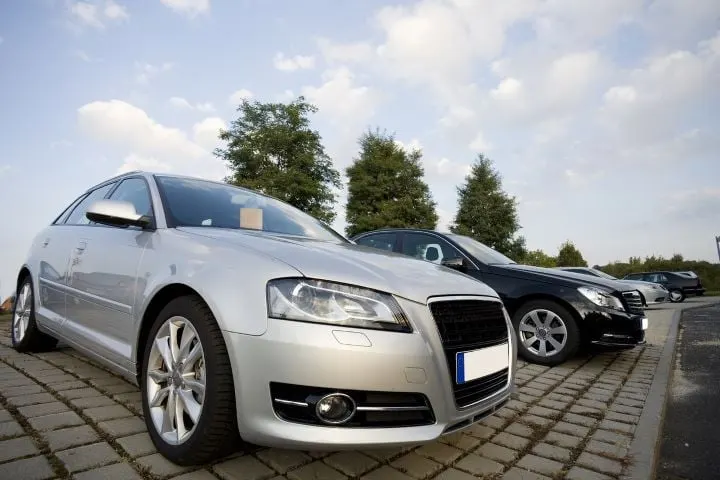
Automaker incentive spending rose in July for the 10th month in a row to its greatest since October 2021.
IMAGE: Pixabay/Andreas 160578
The upward pandemic-era pressure on new-vehicle prices appears to have finally subsided, as July’s year-over-year average price increase was the smallest in a decade, Kelley Blue Book says.
It found further confirmation of the milestone in the January-through-July transaction price decrease of 2.7%, which it said it the biggest fall of that period in a decade.
July’s average new-vehicle transaction price was $48,334, down 0.7% month-over-month and up $199 from a year earlier, the Cox Automotive company said.
Inventories that have steadily increased this year from pandemic-era lows, along with rising incentives, are affecting the rebalancing. Automaker incentive spending rose in July for the 10th month in a row to its greatest since October 2021 for a $2,148 average, or 4.4% of the ATP. That’s up from 2.4% year-over-year.
“New-vehicle price inflation has all but disappeared in 2023,” said Cox Automotive Research Manager Rebecca Rydzewski. “New-vehicle prices, primarily driven by cuts in luxury and electric vehicles, are decreasing as inventory is steadily improving.”
Average nonluxury new-vehicle prices alone fell nearly $500 month-over-month in July to $44,700, up just 0.5% year-over-year, though they’ve held steady since January. Just one model was selling for less than $20,000, though, unlike before the pandemic: the Mitsubishi Mirage, Kelley Blue Book said.
Meanwhile, average luxury prices fell $192 month-over-month to $63,552, a nearly 3% year-over-year decrease and down by more than 5% since the year started. The decline was helped along by more than 19% cuts in prices at Tesla, which Cox considers the luxury market leader.
Originally posted on Auto Dealer Today
More Industry

Penske Auto Group Deal a Record
The deal to take the dealership and transportation services company private sets a new pace for industry buy-sell transactions.
Read More →
War Toll a Damper on Used Auto Prices
Cox Automotive found wholesale depreciation to be elevated in September amid high fuel prices and this year's unusual hurricane season.
Read More →
Bridge the Maintenance Gap
With many drivers missing recommended maintenance, service departments offering transparency and efficiency have a better chance of reaching financially strained consumers.
Read More →
California Store Has New Owner
The longtime dealership in the northern part of the state is known for robust fleet sales and has served the state capital for 115 years.
Read More →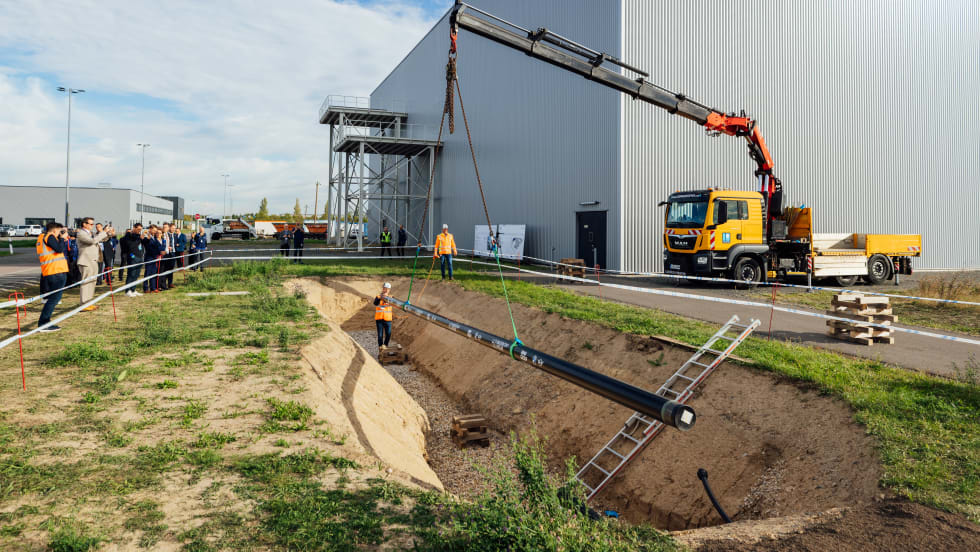
BMW Plant Pursues Cleaner Energy
BMW Group Plant Leipzig has utilized hydrogen to help power its production since 2013, but a new pipeline is planned to take it to another level.
Read More →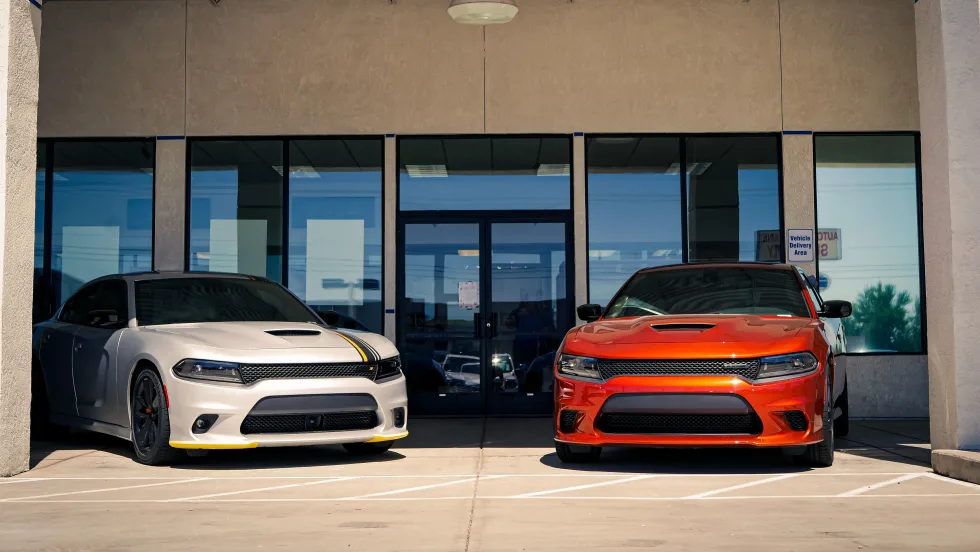
Auto Affordability Inches Up
The latest Cox Automotive and Moody’s Analytics index shows a slight increase in new-vehicle affordability despite high prices.
Read More →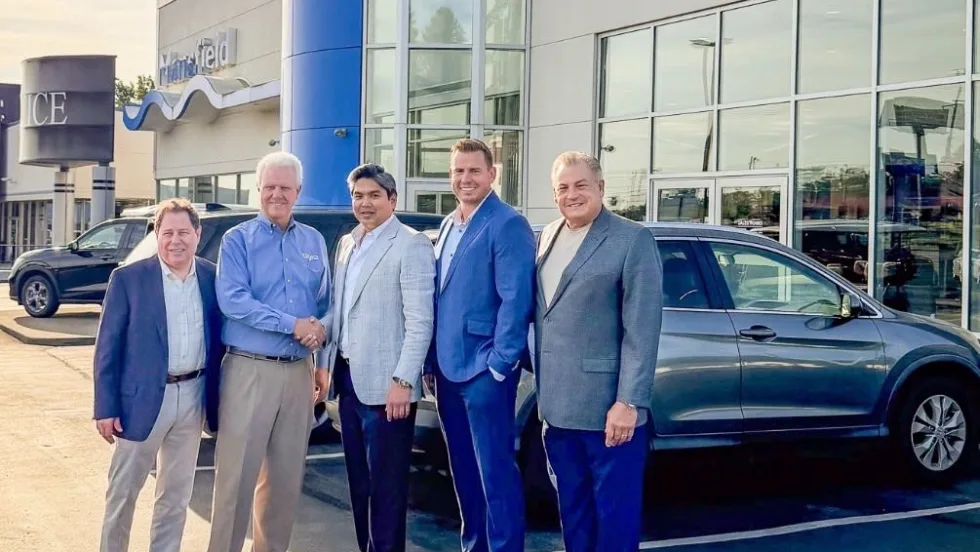
Ohio Auto Group Under New Ownership
After 79 years with the Schluter family, Mansfield Auto Group has been acquired by Missouri-based Clement Auto Group.
Read More →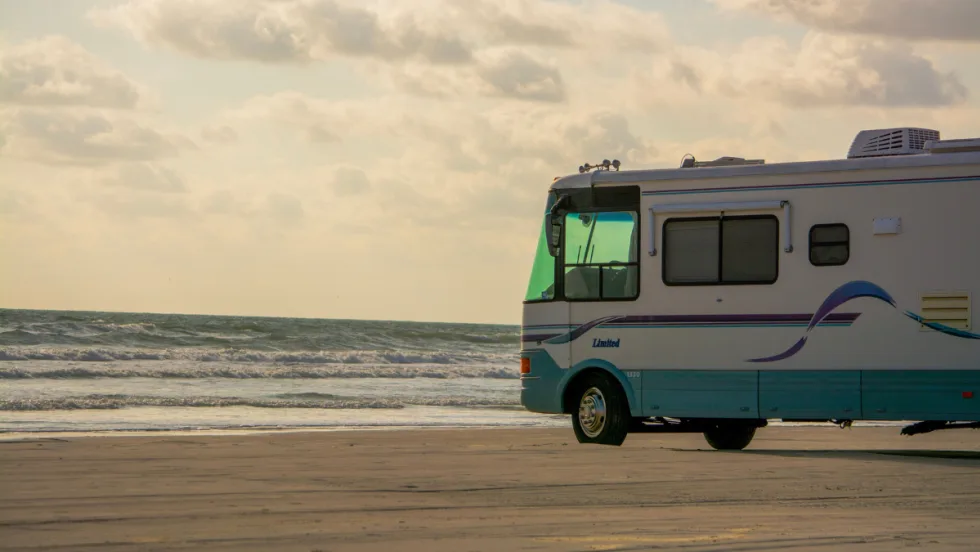
RV Group Expands Carolina Footprint
Blue Compass RV Columbia Northeast is the 13th RV dealership owned by Blue Compass in the Carolinas.
Read More →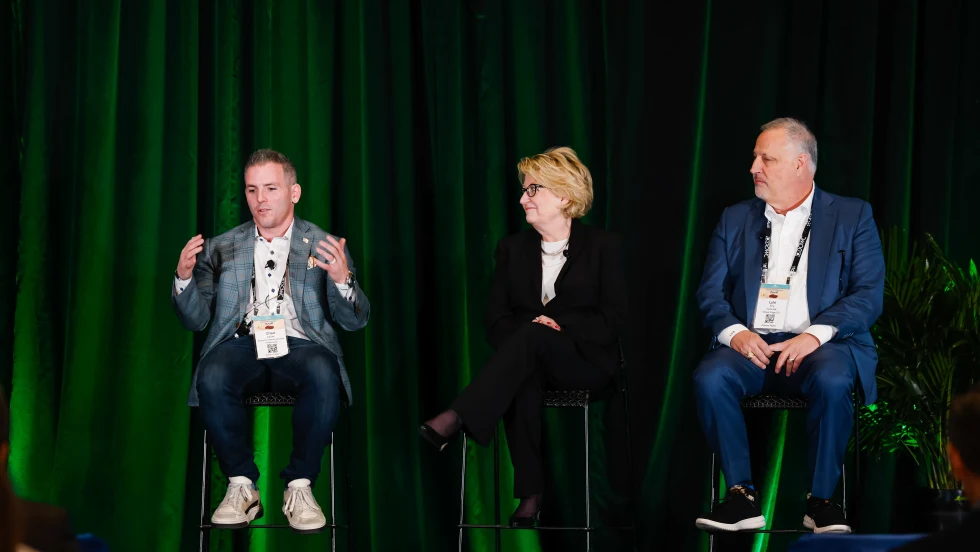
Agent Acumen
An Agent Summit panel of people who’ve been supporting auto dealers for years gave both timely and timeless advice for those starting out or mulling the prospect.
Read More →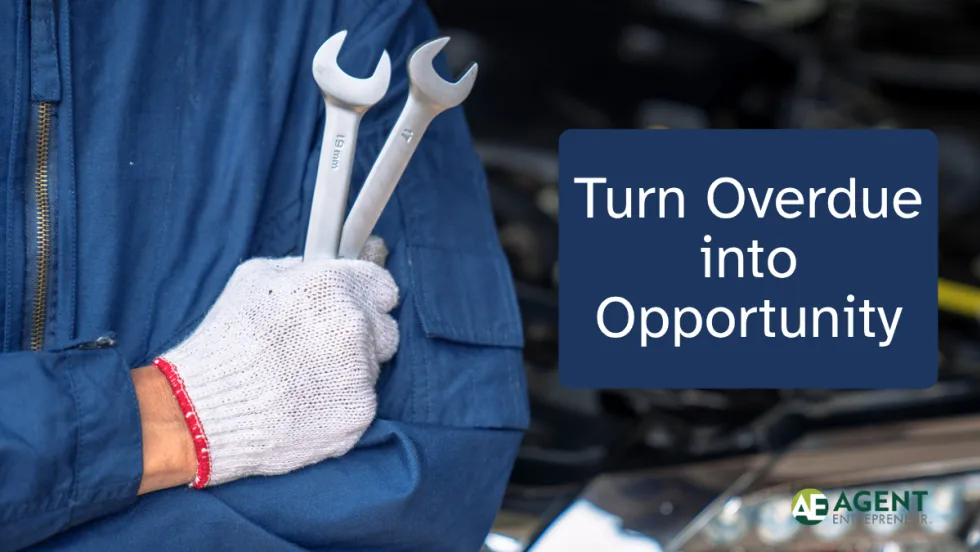
Missed Maintenance Creates Opportunity
As families get back on the road and into daily school routines, service drives have an opportunity to capture customers who are behind on recommended vehicle maintenance.
Read More →