



Massachusetts AG Enters Two Settlements with Auto Industry
The AG’s Office settled with Toyota Motor Credit Corp. for illegal auto finance collection practices and Hometown Auto Framingham for discriminatory prices of add ons.


The AG’s Office settled with Toyota Motor Credit Corp. for illegal auto finance collection practices and Hometown Auto Framingham for discriminatory prices of add ons.
IMAGE: Pixabay
Massachusetts Attorney General Andrea Joy Campbell took two major actions in the state’s automotive industry last week.
Most recently, she announced a settlement with Toyota Motor Credit Corp. to resolve allegations of illegal auto finance collection practices. The settlement secured over $7.6 million, including approximately $5.5 million in debt relief, for over 500 borrowers across the state.
Earlier, Campbell announced her office had reached a $350,000 settlement with Hometown Auto Framingham in a suit alleging unfair, deceptive and discriminatory pricing of “add-on” products sold to Black and Hispanic consumers.
In the Toyota case, the assurance of discontinuance alleged that Toyota Motor Credit gave certain consumers insufficient information about the calculation methods for deficiencies left on their installment contracts after their vehicles were repossessed.
Toyota Motor Credit also allegedly made excessive collection calls to consumers, in violation of the AG’s debt collection regulations.
“Consumers facing repossession and collection actions on their vehicles deserve clear and transparent information from auto lenders,” Campbell said in a news release. “It is our hope that the debt waiver and funds secured through this settlement will assist hundreds of residents in getting the relief they need and deserve—and build on our efforts to provide economic opportunity to families across Massachusetts.”
Previously, the Massachusetts Attorney General’s Office went after Credit Acceptance Corp. for failing to provide similar information to consumers after auto repossession. In August 2020, the AG’s office announced a settlement with Credit Acceptance for over $27 million in cash and debt forgiveness and credit repair for affected consumers.
Last year, the AG’s office entered into a $5.6 million assurance of discontinuance with Santander Consumer USA for its alleged failure to provide post-repossession information to consumers.
Another assurance of discontinuance alleged that Hometown Auto, which operates two dealerships in Wellesley and Danvers, charged Black and Hispanic consumers higher prices for “add-on” products compared to white consumers.
After a two-year investigation, the AG’s office determined that Hometown charged higher prices to its Black and Hispanic consumers for the same “add-on” products sold to white consumers in violation with the state’s Consumer Protection Act, which prohibits unfair or deceptive acts and practices in trade or commerce.
Hometown has agreed to pay $350,000 in the settlement, with $200,000 allocated for restitution to harmed consumers. The dealerships also must establish business practice changes that decrease the likelihood of pricing disparities in the future, including:
Train staff on implicit bias and the obligation not to discriminate when pricing products.
Disclose “add-on” product pricing to provide transparency on the price of any add-on product offered to consumers.
Improve oversight of “add-on” product pricing by implementing a standardized pricing policy for “add-on” products that limits when and why staff may deviate from such prices.
Require documentation and oversight for pricing deviations.
Provide compliance monitoring information to the AG’s Office concerning future “add-on” product sales.
“Consumers need to know that their race or ethnicity will have absolutely no effect on the type of service they receive from Massachusetts auto dealerships or the prices they will be charged,” Campbell reported in a news release.
“My office is committed to protecting consumers from predatory and discriminatory practices that stand in the way of upward mobility, and we will continue our advocacy to ensure all consumers are being charged for services equally and fairly,” she concluded.
Originally posted on Auto Dealer Today
More Industry

Penske Auto Group Deal a Record
The deal to take the dealership and transportation services company private sets a new pace for industry buy-sell transactions.
Read More →
War Toll a Damper on Used Auto Prices
Cox Automotive found wholesale depreciation to be elevated in September amid high fuel prices and this year's unusual hurricane season.
Read More →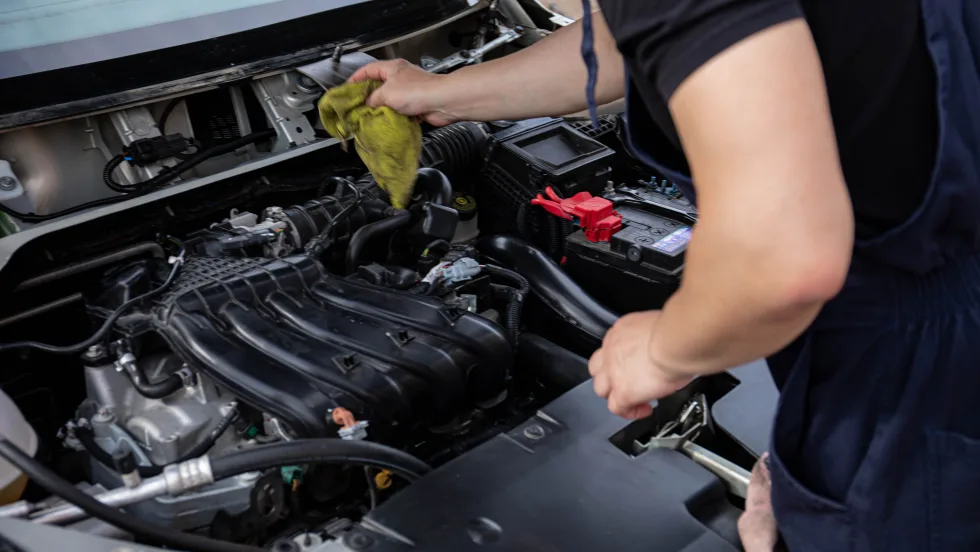
Bridge the Maintenance Gap
With many drivers missing recommended maintenance, service departments offering transparency and efficiency have a better chance of reaching financially strained consumers.
Read More →
California Store Has New Owner
The longtime dealership in the northern part of the state is known for robust fleet sales and has served the state capital for 115 years.
Read More →
BMW Plant Pursues Cleaner Energy
BMW Group Plant Leipzig has utilized hydrogen to help power its production since 2013, but a new pipeline is planned to take it to another level.
Read More →
Auto Affordability Inches Up
The latest Cox Automotive and Moody’s Analytics index shows a slight increase in new-vehicle affordability despite high prices.
Read More →
Ohio Auto Group Under New Ownership
After 79 years with the Schluter family, Mansfield Auto Group has been acquired by Missouri-based Clement Auto Group.
Read More →
RV Group Expands Carolina Footprint
Blue Compass RV Columbia Northeast is the 13th RV dealership owned by Blue Compass in the Carolinas.
Read More →
Agent Acumen
An Agent Summit panel of people who’ve been supporting auto dealers for years gave both timely and timeless advice for those starting out or mulling the prospect.
Read More →
Missed Maintenance Creates Opportunity
As families get back on the road and into daily school routines, service drives have an opportunity to capture customers who are behind on recommended vehicle maintenance.
Read More →