



Longtime Wells Fargo Dealer Services Exec Joins CRB Auto
IRVINE, Calif. — Longtime retail credit executive Bill Katafias has left Wells Fargo Dealer Services. His new employer, CRB Auto, announced today that he has joined the indirect auto finance source, a division of Mechanics Bank, as CEO. Katafias, who spent 23 years with the Wells Fargo auto finance group, succeeds CRB Auto CEO Scott ... Read More »

IRVINE, Calif. — Longtime retail credit executive Bill Katafias has left Wells Fargo Dealer Services. His new employer, CRB Auto, announced today that he has joined the indirect auto finance source, a division of Mechanics Bank, as CEO.
Katafias, who spent 23 years with the Wells Fargo auto finance group, succeeds CRB Auto CEO Scott Raymer, who previously announced his resignation to pursue other opportunities, according to company officials.
“We are extremely fortunate that Bill was available, and that we are able to add someone of his caliber to our leadership team to continue the future growth of our successful auto finance group,” Mechanics Bank President and CEO John DeCero said. “His extensive experience and proven track record are a great fit, and it demonstrates our continued commitment to our dealer network, our customers and our employees in the indirect auto space.”
Katafias began his career in auto finance with Ford Motor Credit in 1988. He most recently served as executive vice president and national production manager for Wells Fargo Dealer Services, where he managed all aspects of the division’s business, including retail production, oversight of national and regional dealer partners, centralized lending operations, and the decentralized regional business center model of indirect auto (including sales, credit, loan origination, high risk collections and operational risk management).
He now joins longtime CRB Auto Executive Vice President and COO Jim Ponzo in setting and driving the group’s strategic initiatives and future expansion plans. The regional finance source operates in 15 states, including Arizona, California, Colorado, Florida, Idaho, Illinois, Iowa, Kansas, Missouri, Nevada, Oklahoma, Texas, Utah, and Washington.
More Industry
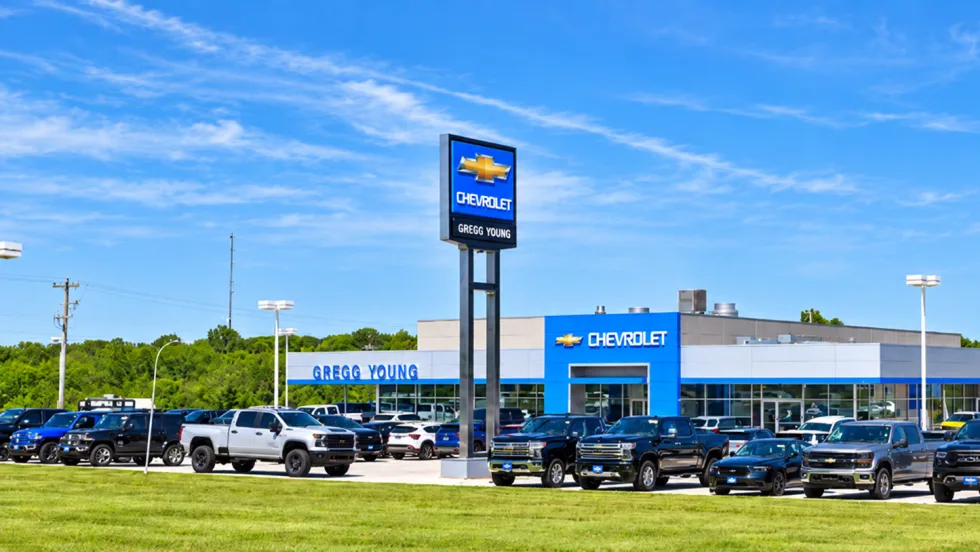
Nebraska Rooftop Changes Hands
The Gregg Young Automotive Group has sold its second dealership to Janssen Auto Group, both in Plattsmouth, Neb.
Read More →
Penske Auto Group Deal a Record
The deal to take the dealership and transportation services company private sets a new pace for industry buy-sell transactions.
Read More →
War Toll a Damper on Used Auto Prices
Cox Automotive found wholesale depreciation to be elevated in September amid high fuel prices and this year's unusual hurricane season.
Read More →
Bridge the Maintenance Gap
With many drivers missing recommended maintenance, service departments offering transparency and efficiency have a better chance of reaching financially strained consumers.
Read More →
California Store Has New Owner
The longtime dealership in the northern part of the state is known for robust fleet sales and has served the state capital for 115 years.
Read More →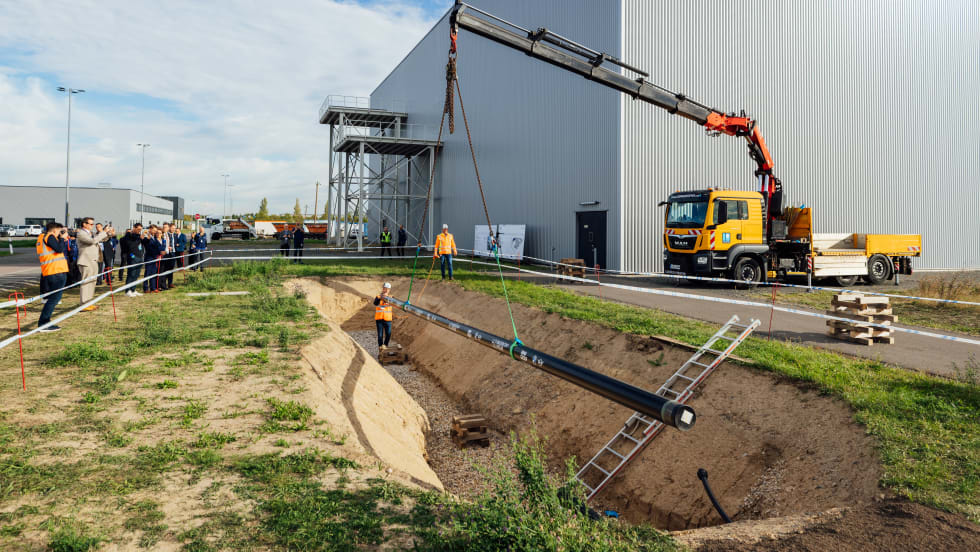
BMW Plant Pursues Cleaner Energy
BMW Group Plant Leipzig has utilized hydrogen to help power its production since 2013, but a new pipeline is planned to take it to another level.
Read More →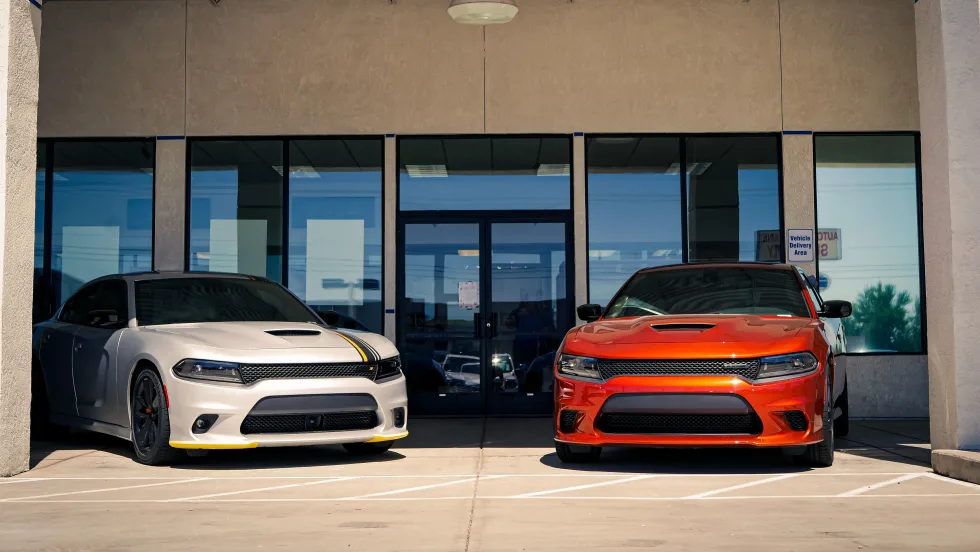
Auto Affordability Inches Up
The latest Cox Automotive and Moody’s Analytics index shows a slight increase in new-vehicle affordability despite high prices.
Read More →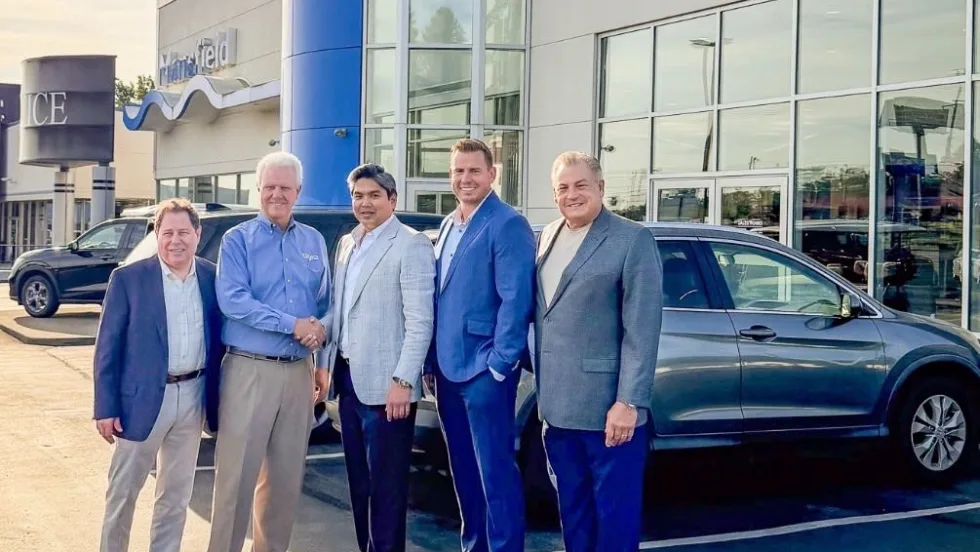
Ohio Auto Group Under New Ownership
After 79 years with the Schluter family, Mansfield Auto Group has been acquired by Missouri-based Clement Auto Group.
Read More →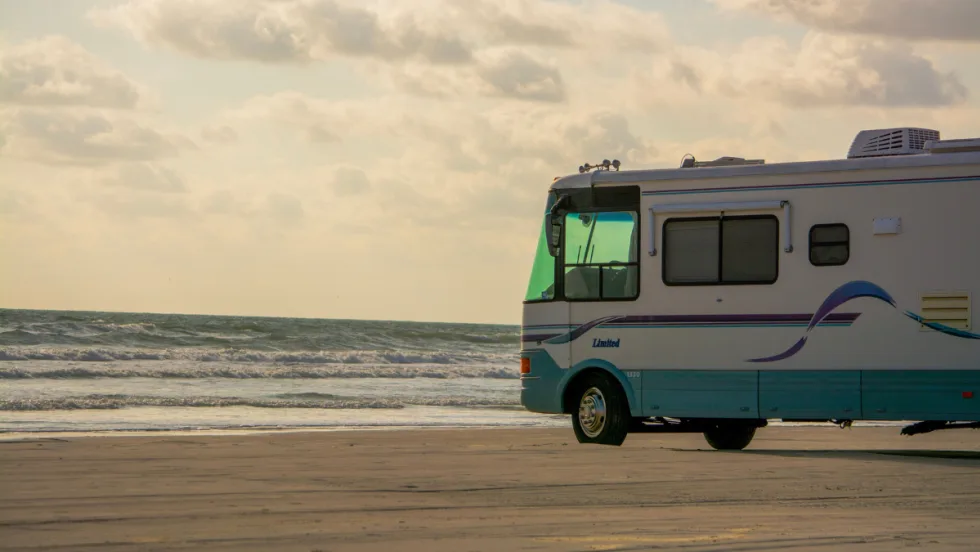
RV Group Expands Carolina Footprint
Blue Compass RV Columbia Northeast is the 13th RV dealership owned by Blue Compass in the Carolinas.
Read More →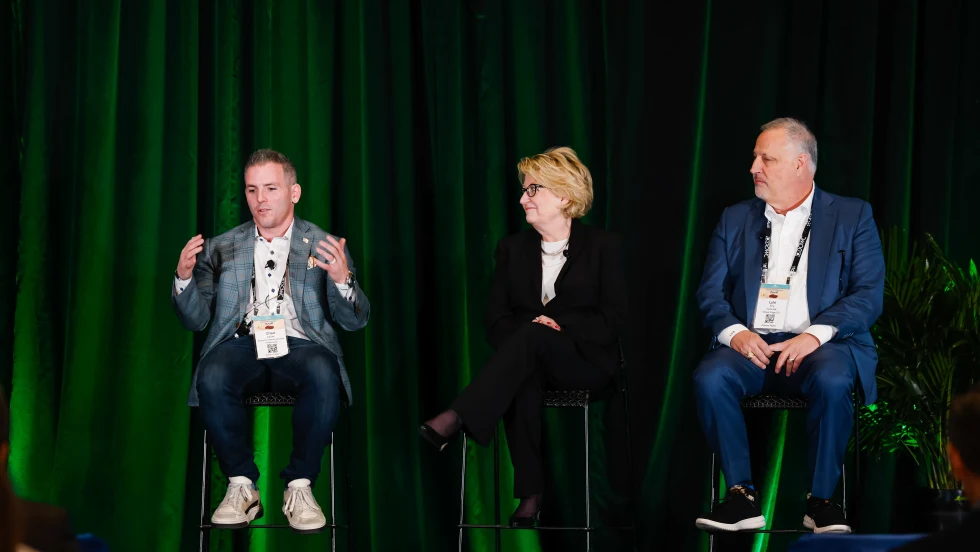
Agent Acumen
An Agent Summit panel of people who’ve been supporting auto dealers for years gave both timely and timeless advice for those starting out or mulling the prospect.
Read More →